Choosing a vehicle and the services that support it is no longer just about getting from point A to point B. Modern vehicle ownership involves long-term financial planning, safety awareness, and understanding how different systems—maintenance, insurance, purchasing channels, and emergency support—all work together.
A reliable vehicle can reduce stress, lower repair costs over time, and improve overall driving confidence. However, even the best vehicle will not perform well without trustworthy service providers behind it. That is why smart buyers evaluate both sides of ownership: the vehicle itself and the network of professionals who maintain, repair, and protect it.
This guide walks through practical, real-world strategies for evaluating vehicles, identifying dependable service providers, and avoiding common mistakes that lead to expensive repairs or poor ownership experiences.
Choosing a Dependable Everyday Vehicle

A reliable daily driver should balance comfort, efficiency, safety, and long-term durability. Many buyers focus only on the purchase price, but the real cost of ownership shows up over time through maintenance, fuel usage, insurance premiums, and depreciation. A vehicle that seems affordable upfront can become expensive if it requires frequent repairs or uses more fuel than expected, so long-term thinking is essential.
One popular example of a well-rounded compact SUV is the Subaru Crosstrek. It is often chosen for its balance of all-wheel drive capability, fuel efficiency, and strong safety ratings. Beyond its core specifications, it is also known for maintaining value over time and performing reliably in varied weather conditions, which makes it especially appealing for commuters in regions with changing seasons. When evaluating a vehicle like this, it’s important to look beyond marketing claims and focus on real-world reliability data, repair frequency, and owner satisfaction reports. It’s also helpful to compare trim levels, as features like advanced driver assistance systems and upgraded suspension can significantly affect both comfort and long-term maintenance needs. Taking the time to research how a vehicle performs after 50,000 to 100,000 miles can reveal far more than showroom impressions ever will.
Another key factor in selecting a dependable vehicle is where you research and test options. Visiting a Toyota dealership , for example, allows buyers to compare multiple models in person, ask detailed questions, and review maintenance packages or certified pre-owned programs. This hands-on experience can reveal differences in ride quality, cabin comfort, and visibility that are not always obvious in online listings. Toyota vehicles are often evaluated for long-term dependability, making them a common benchmark in reliability discussions, especially for buyers prioritizing low maintenance costs and strong resale value. Speaking directly with service staff can also provide insight into common repairs and long-term upkeep expectations.
Actionable tips for selecting a daily driver:
- Compare cost of ownership, not just sticker price
- Review reliability ratings from multiple independent sources
- Test drive in real conditions (highway, city, parking)
- Ask about warranty coverage and service intervals
- Check availability of parts and repair accessibility in your area
- Look for vehicles with proven long-term resale value
- Evaluate safety technology features such as collision avoidance and lane assist
- Consider fuel efficiency based on your daily commute distance and driving habits
Ultimately, the goal is to choose a vehicle that fits your lifestyle today while minimizing unexpected costs in the future and providing consistent reliability for years of ownership.
Understanding Where and How Vehicles Are Sold

The buying experience plays a major role in long-term satisfaction with a vehicle. A trustworthy seller will be transparent about pricing, vehicle history, and post-purchase support, and will take the time to educate buyers rather than rushing them into a decision. This transparency often determines whether ownership feels smooth and predictable or filled with unexpected costs and frustration later on.
A reputable dealership should provide clear documentation, vehicle inspections, and straightforward financing options. Buyers should always request full service records and ask how vehicles are inspected before being listed for sale. It is also important to understand how trade-ins are evaluated and whether pricing is consistent with market averages. Buyers should be cautious of vague pricing structures, pressure tactics, or missing maintenance records. Transparency is often the strongest indicator of reliability, especially when comparing multiple sellers in the same area.
Commercial buyers should also pay attention to inventory variety. For example, Isuzu trucks are commonly used in business and fleet operations due to their durability and efficiency. When purchasing commercial vehicles, buyers should evaluate payload capacity, maintenance intervals, and total operating cost, not just the initial purchase price. It is also useful to ask how these vehicles perform under continuous use, since commercial driving places significantly more strain on engines, brakes, and transmissions compared to standard commuting.
Understanding the sales environment also means recognizing differences between independent sellers and larger franchise operations. Larger networks may offer more structured service programs, while smaller sellers might provide more flexibility in pricing. Neither is automatically better, but each requires a different evaluation approach.
Key evaluation points when choosing a seller:
- Confirm vehicle history reports are complete and accurate
- Ask whether vehicles undergo multi-point inspections
- Compare financing terms across multiple locations
- Evaluate after-sale support and service availability
- Review online reputation and customer feedback trends
- Ask how long vehicles typically remain in inventory before sale
- Check whether certified pre-owned options include warranty extensions
Red flags to avoid:
- Unclear pricing or hidden administrative fees
- Refusal to provide maintenance records
- Limited or no post-sale service options
- High-pressure sales tactics without time for review
- Reluctance to allow independent inspections before purchase
A strong purchasing experience should feel informative, not rushed. The more transparency provided upfront, the more reliable the long-term ownership experience is likely to be, especially when the seller is willing to answer detailed questions and provide verifiable documentation.
Evaluating Recreational and Off-Road Options

Recreational vehicles offer excitement, versatility, and utility, but they also require a more detailed evaluation process than standard commuter cars or trucks. Because these machines are often used in rough terrain, mud, sand, or steep inclines, they experience significantly higher stress on mechanical components. That makes durability, maintenance history, and previous usage patterns especially important factors in the buying decision.
When browsing ATVs for sale, buyers should focus heavily on how the vehicle was used by previous owners. An ATV that was primarily used for light trail riding will typically show far less wear than one used for racing, hauling, or heavy off-road work. Usage history, terrain exposure, and maintenance consistency should always be verified when possible. A well-maintained unit will typically have documented service intervals, clean fluid history, and minimal structural wear on key components such as the frame and suspension mounts.
Mechanical components also matter significantly in long-term performance. For example, performance parts like an ATV clutch kit can directly impact acceleration, shifting smoothness, power delivery, and overall ride control. If these components are worn or improperly installed, the vehicle may feel sluggish or inconsistent under load. Understanding how these systems function helps buyers identify early warning signs of mechanical neglect and avoid expensive repairs shortly after purchase.
What to inspect before buying recreational vehicles:
- Frame condition (look for cracks, rust, or weld repairs)
- Tire wear patterns indicating uneven or aggressive use
- Engine startup consistency and stable idle behavior
- Suspension responsiveness, bounce control, and noise levels
- Brake performance and stopping distance consistency
- Maintenance logs and part replacement history
Practical buying strategies:
- Avoid deals that seem significantly below market value
- Request a full mechanical inspection before purchase
- Test ride on terrain similar to intended use
- Confirm availability of replacement parts locally
- Consider future maintenance costs, not just purchase price
- Check for aftermarket modifications that may affect reliability
Recreational vehicles can provide years of enjoyment, adventure, and utility when chosen carefully. However, poor initial decisions often lead to frequent repairs, reduced performance, and higher long-term ownership costs, making thorough inspection and informed decision-making essential.
Maintaining Performance Through Reliable Service Providers
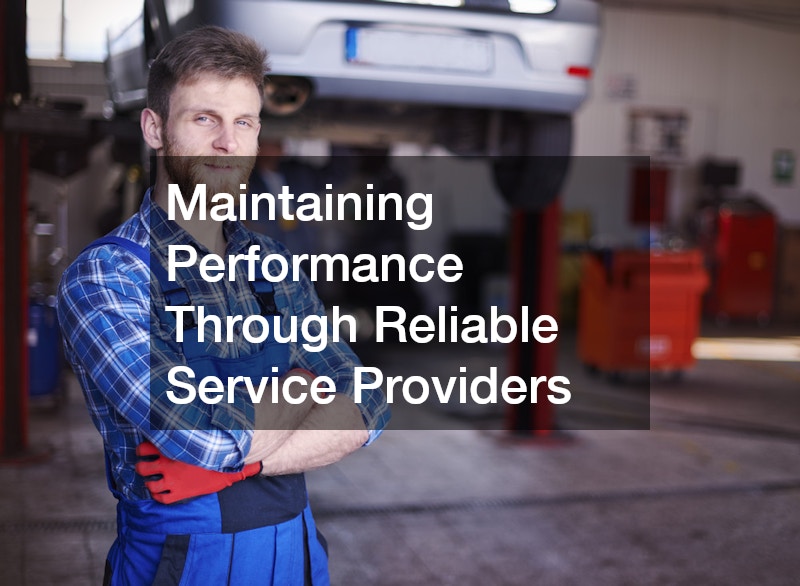
Even the most reliable vehicle requires consistent maintenance to stay safe, efficient, and cost-effective over time. Choosing the right repair provider is not just about convenience—it directly affects vehicle lifespan, performance consistency, and long-term ownership costs. A poorly maintained vehicle will degrade quickly, while one serviced correctly can remain dependable for well over a decade.
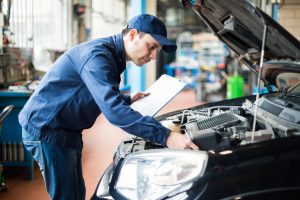
A professional auto repair service should offer diagnostic transparency, fair pricing, and certified technicians who can clearly explain issues in plain language. One of the most important indicators of quality is whether the shop walks customers through the problem step-by-step and provides multiple repair options instead of immediately pushing the most expensive solution. Good shops will also show worn parts when possible, so customers can see exactly why a repair is needed.
Accident-related damage requires even more specialized attention. Proper collision repairs involve not only cosmetic restoration but also structural alignment, frame measurement, safety system recalibration, and precise paint matching. Even minor misalignment after a crash can affect tire wear, steering accuracy, and crash safety performance. Poor-quality repair work can compromise vehicle safety and significantly reduce resale value, even if the damage appears to be fixed on the surface.
Another important factor is turnaround time and communication. Reliable providers keep customers updated throughout the repair process and provide realistic timelines rather than overly optimistic estimates that lead to delays.
How to choose a trustworthy repair provider:
- Verify technician certifications (ASE or manufacturer-specific training)
- Ask for written estimates before approving work
- Compare diagnostic fees across multiple shops
- Check warranty coverage on parts and labor
- Review customer feedback focusing on repeat service quality
- Ask whether digital inspections or photo documentation are available
- Evaluate how clearly the shop explains repair recommendations
Maintenance best practices:
- Follow manufacturer-recommended service schedules without delay
- Address small issues before they become major repairs
- Keep detailed records of all maintenance and repair work
- Rotate between preventive maintenance and full inspections
- Monitor fluid levels, tire condition, and brake wear regularly
- Avoid ignoring warning lights, even if the vehicle still drives normally
A reliable service provider acts as a long-term partner in vehicle ownership, helping prevent breakdowns rather than simply reacting to them. Over time, this relationship becomes one of the most important factors in keeping repair costs low and ensuring consistent vehicle performance.
Preparing for Emergencies and Financial Protection
Even with proper maintenance and careful driving habits, unexpected situations can still occur. Breakdowns, accidents, severe weather, and road hazards are part of real-world driving, which makes emergency preparedness an essential part of responsible vehicle ownership. Being prepared not only reduces stress in critical moments but can also prevent additional damage and costly delays.
Reliable towing services are a critical part of roadside recovery. When selecting a provider, response time is one of the most important factors, especially in rural areas or during extreme weather conditions. Coverage area should also be confirmed in advance so drivers know whether assistance will be available on highways, back roads, or out-of-town trips. Equipment quality matters as well—flatbed towing, wheel-lift systems, and winch capabilities can all affect how safely a vehicle is transported after a breakdown or accident. Choosing a provider with professional handling reduces the risk of further mechanical or structural damage during recovery.
Financial protection is equally important and often overlooked until it is needed. A dependable auto insurance agency can help drivers understand coverage levels, deductible options, and claim procedures in detail. The right policy should balance affordability with comprehensive protection, including liability coverage, collision protection, uninsured motorist coverage, and roadside assistance options. Drivers should also understand how quickly claims are processed and what documentation is required after an incident, as delays can add unnecessary stress during already difficult situations.
Emergency preparedness checklist:
- Keep emergency contact numbers saved in your phone
- Maintain a roadside safety kit in your vehicle (jumper cables, flashlight, first aid kit, warning triangles)
- Understand your insurance coverage before an emergency occurs
- Know how to safely pull over and signal for help on busy roads
- Keep proof of insurance easily accessible in your vehicle or phone
- Ensure your phone is charged or have a portable power bank available
Choosing the right protection and support:
- Compare coverage options beyond just monthly premiums
- Review claim processing speed and customer service ratings
- Confirm towing distance limits and roadside assistance availability
- Understand exclusions and limitations in your policy
- Ensure coverage aligns with your driving habits and vehicle type
- Ask whether rental vehicle coverage is included during repairs
- Verify how quickly emergency claims are approved in real scenarios
Being prepared for emergencies reduces stress, improves safety outcomes, and prevents financial surprises when unexpected events occur. A well-thought-out plan ensures that when problems arise, drivers can respond quickly, safely, and with confidence rather than uncertainty.
Reliable vehicle ownership depends on more than just choosing a good car. It requires a complete understanding of how purchasing decisions, maintenance practices, recreational use, and emergency planning all work together.
By carefully evaluating vehicles, selecting trustworthy service providers, and preparing for unexpected situations, drivers can significantly reduce long-term costs and improve overall safety. A thoughtful approach today leads to fewer problems on the road tomorrow and a more confident ownership experience overall.