Vehicles are central to modern daily routines, carrying people to work, school, and weekend adventures. When an unexpected traffic incident disrupts this rhythm, the immediate aftermath can feel utterly overwhelming. The sudden sounds of twisting metal and breaking glass fade away, leaving a shocked driver standing on the roadside, wondering what comes next. It is a highly stressful period filled with complex paperwork, insurance phone calls, and big decisions about personal safety and property value. Many motorists mistakenly assume that fixing a vehicle simply involves dropping it off at a garage and picking it up a few days later. However, a true collision recovery process is multifaceted, involving distinct legal, financial, mechanical, and cosmetic phases. Every single step requires a careful, methodical approach to ensure the vehicle becomes completely safe to drive on public roads again. Navigating this journey successfully means understanding how different automotive and legal professionals collaborate to rebuild a vehicle from the ground up. This guide walks through the entire recovery timeline, breaking down the essential tasks from the chaotic moments at the crash site to the final aesthetic polish before hitting the highway. By learning what to expect, car owners can confidently advocate for themselves and protect their long-term financial investments.
Managing Legal Realities and On-Scene Protection
Directly after a crash, adrenaline floods the human body, making clear thinking incredibly difficult. The primary focus must remain on physical safety by moving to the shoulder of the highway, turning on hazard lights, and checking everyone involved for injuries. Once everyone is secure, documenting the scene becomes the next priority for legal protection. Drivers should snap photos of all vehicles involved, road conditions, skid marks, and traffic signs from multiple angles. Exchanging contact, license, and insurance details with other operators is a strict legal necessity, as is obtaining a formal police report. These early pieces of evidence form the absolute bedrock of future property damage or personal injury claims. When a fault is contested or medical injuries are complex, individuals often find themselves overwhelmed by aggressive insurance representatives looking to minimize payouts. In these stressful situations, seeking guidance from qualified auto accident attorneys can protect a victim’s legal rights and ensure fair treatment throughout the entire claim process. Legal experts can interface directly with corporations, allowing the driver to focus entirely on vehicle recovery and personal healing. Taking these organized steps early on prevents costly mistakes that could jeopardize financial recovery down the line.
Securing Professional Transportation From the Scene
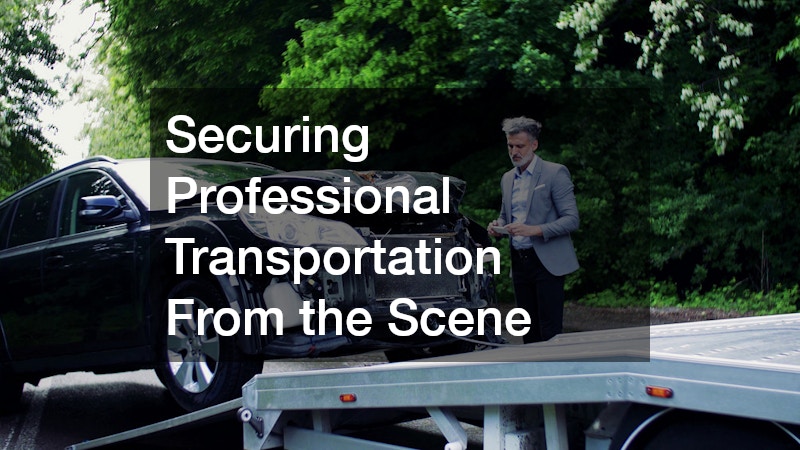
If a vehicle has sustained significant structural or mechanical damage, attempting to drive it away from the crash site is incredibly dangerous. Compromised steering mechanisms, leaking fluids, or hidden structural frame damage can easily trigger a secondary, more severe incident on the highway. Instead, the vehicle must be moved professionally to prevent further catastrophic harm to internal systems. This is the exact moment when calling a reliable, licensed tow truck service becomes essential to clear the roadway safely and efficiently. The professional operator will secure the vehicle, hoist it onto a flatbed, and prepare it for transport to a secure holding lot or a designated repair facility. During this chaotic phase, the vehicle owner must confirm exactly where the vehicle is being taken and understand any daily storage fees involved. It is also wise to remove all personal items, expensive electronics, and important insurance documents from the cabin before the vehicle departs. Having a trusted transportation provider handle the logistics ensures the damaged car does not sit vulnerable or cause a major traffic hazard on a busy road. This smooth transition shifts the focus from emergency response to the actual logistics of assessing damage.
Navigating the Inspection and Valuation Phase
Once the vehicle sits safely at an inspection site or holding yard, the financial evaluation process begins in earnest. Insurance companies do not simply write checks based on a driver’s verbal description; they require an expert, firsthand look at the damage. A professional insurance appraiser will visit the vehicle to conduct a meticulous, component-by-component inspection of the wreckage. This specialist reviews the primary impact zones, calculates the precise cost of replacement parts, estimates total labor hours, and determines whether the car can be saved or should be declared a total loss based on market value thresholds. Property owners should remember that they have the right to review this itemized estimate and challenge any clear omissions or undervalued components. Providing pre-accident maintenance records, tire receipts, or proof of recent upgrades can influence the final financial valuation significantly. Staying in close communication with the adjuster during this phase ensures that hidden problems discovered later during vehicle teardown are covered under supplemental insurance claims. A precise assessment forms the financial foundation for all subsequent repair work, ensuring the funds match the actual scope of rehabilitation needed.
Restoring the Outer Frame and Structural Integrity
With the insurance approval officially secured, the heavy physical work begins on the exterior panels and underlying structural frame. Modern vehicles are engineered with specific crumple zones designed to absorb immense impact energy and protect the occupants inside the cabin. Straightening these bent structural elements requires specialized machinery that uses immense hydraulic force to pull the metal frame back to factory specifications. A certified auto body shop handles this delicate balance of structural realignment and cosmetic panel replacement with advanced technological tools. Technicians meticulously sand, prime, and paint new fenders, doors, or bumpers to blend seamlessly with the original factory finish of the car. They ensure that all body gaps are completely uniform and that passenger doors close smoothly without catching or rubbing. Neglecting frame alignment can lead to severe safety hazards, including improper airbag deployment or unpredictable handling in future incidents. Entrusting this work to skilled collision specialists guarantees that the vehicle looks identical to its pre-crash state while fully maintaining its original safety ratings.
Uncovering Hidden Cosmetic and Rim Issues
While major body panels receive a lot of attention, the wheels often take a direct hit during side-impact or curb-striking collisions. Even a seemingly minor scuff on an alloy rim can mask serious structural issues like hairline fractures or severe metal bends. A compromised wheel cannot hold air pressure consistently and poses a massive tire blowout risk at highway speeds. If a driver notices a distinct vibration in the steering wheel after an accident, a damaged custom wheel or factory rim could be the underlying culprit. Technicians must check these components for runout and structural balance to see if they can be safely reconditioned or if they require a total replacement. Additionally, intense impact forces travel through the wheel directly into the suspension arms, struts, steering racks, and wheel bearings. Replacing a ruined wheel must always be paired with a comprehensive digital wheel alignment to prevent premature tire wear and erratic vehicle handling. Ensuring every single corner of the vehicle is structurally sound keeps the car tracking straight and true on the road.
A Comprehensive Check of Mechanical Components
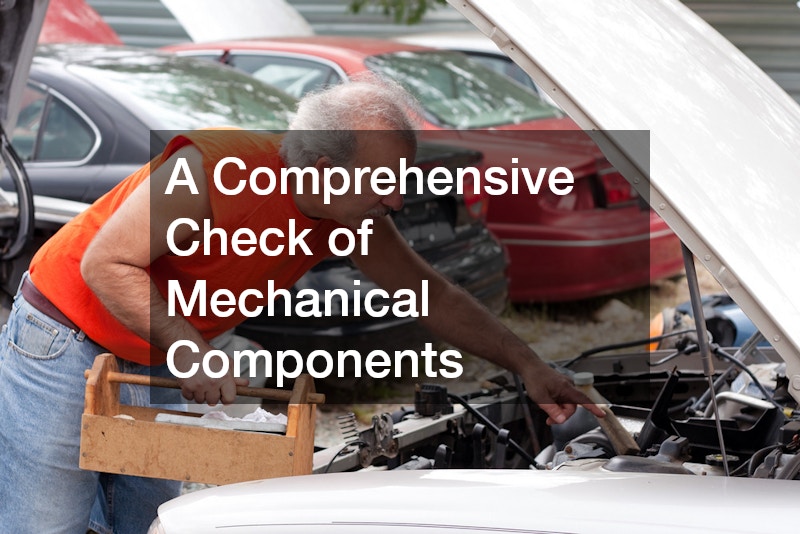
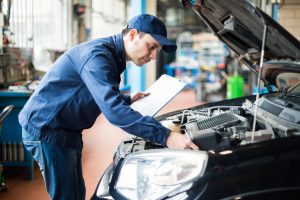
Collisions frequently cause internal issues that are completely invisible from the outside of the car. The sudden, violent deceleration of a crash can stress engine mounts, crack plastic fluid reservoirs, and slice through delicate electrical wiring harnesses. Drivers must avoid assuming that a car is perfectly fine just because the exterior panels have been replaced or repaired. A full-scale auto repair assessment is mandatory to pull diagnostic trouble codes from the onboard computer systems and verify system health. Modern vehicles contain dozens of computer sensors tracking everything from anti-lock brakes to emissions controls, and these systems often malfunction after a hard impact. Technicians will pressure test the cooling system to check for hidden radiator leaks and examine the air conditioning lines for subtle refrigerant loss. Catching these mechanical faults early prevents frustrating breakdowns and costly repairs weeks after the car returns home. A thorough diagnostic approach guarantees that the internal operations match the pristine condition of the renewed exterior body.
Addressing Major Powertrain and System Failures
In more severe frontal or offset accidents, the impact force can push components directly into the engine block or transmission assembly. Pulleys can bend, oil pans can crack open, and internal timing components can jump out of alignment due to the sudden stop. Driving a vehicle with even minor internal powertrain damage can quickly ruin the entire mechanism beyond repair, creating an astronomical financial burden. This level of severe damage requires the specialized attention of a facility capable of performing intricate local engine repair services. Mechanics will disassemble affected parts of the block, swap out fractured internal components, and rebuild the powertrain to factory operating standards using precision tools. They also inspect the complex system of belts, alternators, water pumps, and starter motors that keep the vehicle running reliably under harsh conditions. Ensuring the heart of the car functions flawlessly is the most vital step in making the vehicle truly dependable for daily commuting and long trips. True peace of mind comes from knowing the engine is just as robust as it was before the incident.
Restoring Glass Clarity and Front Visibility
The impact of a collision almost always sends intense shockwaves through the structural glass of a vehicle. A front airbag deployment or minor frame twisting can instantly shatter a windshield or cause long, sprawling cracks to develop across the driver’s direct field of vision. Driving with damaged glass seriously compromises the structural integrity of the roof, as the front glass provides crucial support during a rollover accident. Arranging for a professional windshield replacement is a mandatory safety measure rather than a cosmetic preference for the owner. Modern glass installations are highly technical because they often house advanced driver assistance systems, such as cameras for lane-keep assist, adaptive cruise control, and rain sensors. Technicians use specialized adhesives and precise computer calibration tools to ensure the new glass bonds perfectly, and the onboard safety cameras operate correctly. Replacing compromised glass restores perfect forward visibility and ensures the automated safety systems can accurately protect passengers in the future.
Fixing Overhead Glass and Weatherproof Seals

While front glass damage is obvious, overhead glass features can also suffer quiet damage during a vehicular accident. The subtle twisting of a car’s frame can warp the tracks of an overhead glass panel, causing the electric motor to bind or the tempered glass to crack. This leaves the cabin highly vulnerable to rainwater leaks, annoying wind noise, and electronic malfunctions if water penetrates the interior control modules. Addressing these issues promptly through professional sunroof repairs prevents long-term moisture damage, ruined headliners, and mold growth inside the upholstery fabric. Technicians will clean out debris from the drainage tubes, realign the tracks, and replace damaged rubber seals to restore a completely watertight fit. They also test the electrical switches and motors to make sure the glass panel slides and tilts smoothly without getting stuck or short-circuiting. Taking care of these specialized roof components preserves the luxury feel, resale value, and practical utility of the car’s cabin environment.
The Deep Clean That Erases the Crash
After weeks of structural, mechanical, and glass work, a vehicle inevitably accumulates a large amount of dust, body filler grease, and metal shavings inside the cabin and across the fresh paintwork. The restoration journey is never truly complete until all remnants of the repair shop environment are thoroughly removed from every surface. Investing in comprehensive car detailing is the final essential step to breathe fresh life back into the vehicle’s interior and exterior surfaces. Professional detailers use industrial vacuums, hot-water steam extractors, and specialized cleansers to sanitize the carpets, wipe down the dashboard, and remove any leftover microscopic glass fragments from the collision. On the outside, they apply a meticulous wash, clay bar treatment, and high-quality protective wax to make the new paint match the older panels beautifully. This deep cleaning process removes the literal and emotional stains of the accident, returning the car to the owner in a condition that feels brand new. Stepping into a spotless, fresh-smelling cabin allows the driver to officially put the stressful incident behind them.
Moving Forward with Complete Confidence
Recovering from a vehicle collision is undoubtedly a long-distance marathon rather than a quick sprint. From the initial shock at the accident scene to the final detailing appointment, each phase requires patience, clear communication, and the right team of certified experts. By handling the legal protection, financial insurance adjustments, and complex mechanical repairs methodically, car owners can transform a severely damaged vehicle back into a safe, reliable mode of transportation. It is about restoring the vehicle to strict factory safety standards so it can successfully protect a family if another accident occurs on the road. With the right professional care, a car can leave the repair facility driving just as smoothly and safely as the day it was first driven off the dealership showroom floor.