Buying a used luxury vehicle is an exhilarating prospect. The initial depreciation hit has already taken place, allowing buyers to step into a world of premium leather, advanced technology, and high-performance engineering for a fraction of the original sticker price. However, this dream can quickly turn into a financial headache if the vehicle has been poorly maintained. High-end cars come with complex systems that require precise care. A single overlooked issue can lead to thousands of dollars in restoration costs later on. Therefore, entering the purchasing process with a systematic evaluation plan is absolutely essential. This comprehensive guide serves as a pre-purchase checklist designed to shield buyers from making an expensive mistake.
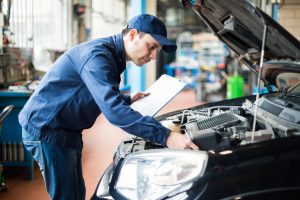
Before exchanging any funds or signing a bill of sale, it is critical to look beneath the polished surface. A shiny exterior can easily mask underlying mechanical issues. Smart buyers know that relying solely on a clean history report is not enough. History reports only show reported accidents, meaning that home-brewed fixes or undocumented collisions remain entirely invisible. They understand the value of booking an independent evaluation with a qualified auto mechanic before finalizing the transaction. Taking this single proactive step provides an unbiased assessment of the vehicle’s true condition, identifying hidden wear that a casual test drive would completely miss. Having an expert opinion gives a buyer ultimate confidence before making a major financial commitment.
The Outer Shell: Analyzing Paint and Bodywork
The physical condition of a luxury vehicle provides immediate clues about how the previous owner cared for the asset. When inspecting the exterior, buyers should position the vehicle in bright, direct sunlight or under strong fluorescent garage lighting. They must look down the flanks of the body panels to spot ripples, waves, or mismatched paint colors, which frequently signal past accident repairs. Panel gaps should be perfectly uniform around the hood, doors, and trunk lid. Uneven gaps suggest that panels were replaced or reinstalled after a collision. It is also wise to inspect the undersides of the front bumper to check for scrapes from steep driveways or parking curbs.
Beyond structural integrity, the quality of the paint itself matters immensely on high-end automobiles. Many luxury car enthusiasts invest heavily in exterior protection to preserve the factory finish. During the walkaround, a buyer should look closely to see if the previous owner installed a high-grade ceramic coating on the paintwork. This premium protective layer guards against minor scratches, UV damage, and chemical stains. If the liquid-repellent properties are still active, it shows a level of meticulous maintenance that often extends to the rest of the mechanical components. Conversely, thin, faded, or neglected paint can indicate that the car spent years sitting unprotected in harsh weather conditions, which damages the underlying clear coat permanently.
Windows and Cabin Environment

Stepping inside the cabin of a luxury car should feel like entering an upscale lounge. The materials used in premium interiors, such as real wood accents, delicate leather trim, and intricate electronic displays, are highly sensitive to environmental factors. Direct sunlight can cause dashboard materials to crack and leather seats to stiffen and split over time. Consequently, smart buyers pay close attention to how well the interior has been shielded from the elements.
One common feature to check is the presence of premium aftermarket window films. Inspecting the glass quality will reveal if the car features professional auto tinting designed to block destructive ultraviolet rays and reject ambient cabin heat. The condition of this film is highly telling. High-quality film that remains perfectly adhered without bubbling, purple discoloration, or peeling indicates professional installation and care. If the film is cheap or deteriorated, it can obscure vision and require immediate removal, which adds an unnecessary expense. In addition, a well-shaded interior prevents the air conditioning system from working overtime, preserving the longevity of the climate control components and reducing overall strain on the vehicle’s electrical charging architecture. Buyers should also operate each window completely to ensure the electronic regulators move smoothly without straining.
The Importance of Unobstructed Vision
While assessing the glass, the focus must shift from comfort to structural safety. A vehicle’s glass layout is an integral component of its structural strength, particularly during a rollover event. Luxury vehicles are also packed with advanced driver assistance systems, often referred to as ADAS. These systems utilize cameras and radar sensors mounted directly behind the rearview mirror to control lane-keeping assist, adaptive cruise control, and automated emergency braking.
Even a minor chip or crack in the line of sight can disrupt these sensitive optical sensors. Buyers need to run their fingernails across the entire front glass surface to detect small pits or deep scratches. If a minor chip is present, the buyer must determine if it can be resolved with a simple windshield repair or if the entire glass panel requires complete replacement. Replacing a specialized, acoustic-laminated luxury windshield can cost thousands of dollars, especially when factoring in the mandatory recalibration of the safety cameras. Identifying these defects ahead of time gives the buyer powerful leverage during price negotiations or allows them to request that the seller address the glass issues before ownership changes hands. It is equally important to inspect the operation of the windshield heating elements and automatic rain sensors.
Where the Rubber Meets the Road
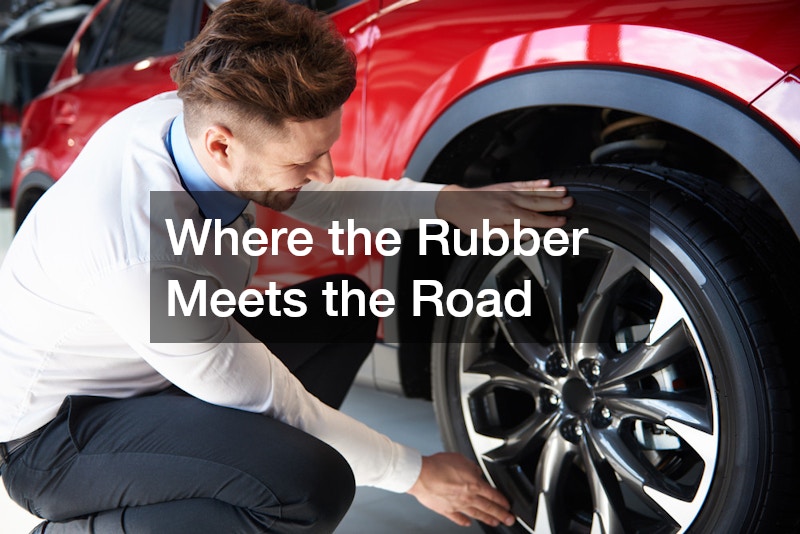
Tires are one of the most reliable storytellers on a used vehicle. They reveal patterns of driver behavior, alignment accuracy, and maintenance budgets. When inspecting a pre-owned luxury automobile, a buyer should never assume the rubber is in good condition just because it looks black and clean. It is necessary to examine the tread depth across the entire width of each tire using a dedicated gauge or a simple coin test.
Uneven wear on the inside or outside edges of the tread usually points to poor wheel alignment, worn suspension bushings, or damaged control arms. Along with alignment, high-performance luxury cars demand specific speed-rated and load-rated tires to handle safely at highway speeds. A mismatched set of cheap tires on a premium vehicle is a massive red flag. It shows that the previous owner chose to cut corners on vital safety components when the car needed new tires installed. Buyers must also inspect the four-digit DOT date code stamped on the tire sidewall to ensure the rubber is not over five years old, as older tires degrade internally regardless of tread depth. If the vehicle is riding on cheap, worn-out, or mismatched rubber, the buyer must immediately budget a significant amount for a fresh set of premium tires, as driving a high-performance machine on degraded rubber compromises braking distances and handling precision.
Fuel Systems and Direct Injection Complexities
Beneath the hood lies the complex engineering that defines the luxury driving experience. Modern premium engines rely heavily on high-pressure direct injection systems to deliver smooth power and optimal fuel efficiency. These systems operate under extreme pressures and require clean, high-quality fuel to function correctly. Over time, poor-quality gasoline or neglected maintenance can lead to carbon buildup on the intake valves and inside the fuel delivery components.
During the test drive, the buyer must pay close attention to how the engine idles. A rough, shaky idle or a sudden hesitation during acceleration can point directly to a clogged or failing fuel injector within the cylinder bank. Replacing these components on a premium vehicle involves significant labor, as technicians must carefully disassemble the intake manifold to reach the fuel rail. If the car stumbles, misfires, or emits a strong smell of unburned fuel, it indicates that the fuel delivery system requires professional attention. Left unaddressed, a faulty fuel delivery setup can cause internal cylinder washing, which strips lubricating oil from the cylinder walls. Buyers should review the service records to see if fuel system cleanings were performed regularly, as proactive care prevents these highly sensitive parts from failing prematurely.
Diagnosing the Core Powertrain

The engine is the most expensive component of any luxury vehicle, making its evaluation the most critical phase of the pre-purchase inspection. Buyers must look for any active fluid leaks around the valve covers, oil pan, and timing chain housings. Fresh oil wetness or crusty coolant residue suggests that gaskets are beginning to fail. Additionally, starting the vehicle from a completely cold state is vital. A cold start reveals timing chain rattles, piston slaps, or valve train noises that disappear once the metal expands from engine heat.
If a buyer notices thick smoke pouring from the exhaust pipe upon startup, it indicates severe internal wear that could necessitate an incredibly expensive engine repair down the line. Premium powertrains feature tight tolerances and specialized alloys, meaning that internal fixes require specialized tools and expert knowledge. Verifying the exact maintenance history to ensure consistent oil changes using factory-specified synthetic oil is absolutely vital for engine longevity. Ignoring an unusual ticking noise or a persistent oil leak can rapidly transform a seemingly affordable used luxury car into a financial disaster. Prospective buyers must ensure that the onboard computer diagnostics show no pending trouble codes, which can be verified using a handheld scanning tool during the physical evaluation.
Evaluating Stopping Performance
High-performance vehicles that accelerate quickly require equally robust stopping systems to ensure occupant safety. Luxury braking setups often utilize large multi-piston calipers, floating rotors, and advanced friction materials that provide immense stopping power but wear down faster than standard systems. During the physical inspection, a buyer should peer through the spokes of the alloy wheels to check the thickness of the brake pads and the smoothness of the metal rotors.
If the rotors display a deep outer lip or heavy grooving, they will need to be replaced along with the pads. During the test drive, the buyer must perform several stops at various speeds. A pulsating sensation through the brake pedal indicates warped rotors, while a squealing or grinding noise points to worn-out friction material. Facing an immediate brake repair right after purchasing a luxury car can drain a buyer’s wallet unexpectedly, as premium brake components are significantly more expensive than standard commuter car parts. It is also important to test the electronic parking brake system to verify it engages and releases without throwing dashboard fault codes. As a final braking check, the brake fluid should be clear and amber-colored; dark, cloudy fluid indicates moisture contamination, which threatens the integrity of the anti-lock braking system.
The Nuances of European Engineering

Vehicles from elite European manufacturers require a distinct approach to maintenance compared to domestic or Asian imports. These cars are engineered with sophisticated electronic networks, intricate suspension designs, and specific fluid specifications that must be followed perfectly. For instance, brands like Mercedes-Benz utilize complex sensory networks and proprietary diagnostic software that generic repair shops cannot always access.
When purchasing a pre-owned European model, verifying that the car has a documented history at a facility specializing in Mercedes repair service or an equivalent brand-specific specialist is crucial. This specialized documentation proves that the car received factory-approved fluids, correct replacement parts, and care from technicians who understand the specific vulnerabilities of that exact platform. They understand how specialized air suspension systems function and how complex wiring looms interact. A vehicle that has been serviced exclusively at generic quick-lube joints may have been filled with the wrong oil grade or fitted with substandard aftermarket filters, which can trigger a cascade of electronic warnings and mechanical failures that are exceptionally difficult and costly to resolve later on.
Preparing for Contingencies
Even when a buyer follows every single step of a pre-purchase checklist perfectly, buying a pre-owned luxury automobile always carries an inherent element of risk. Hidden electrical glitches can emerge without warning, or an older component can simply reach the end of its operational lifespan shortly after ownership transfers. Because of these unpredictable variables, a smart consumer plans for the unexpected before hitting the open road. It is highly recommended to research local automotive assistance options ahead of time.
Knowing which local towing service possesses the specialized flatbed equipment required to transport a low-clearance luxury car safely can prevent unnecessary vehicle damage during a roadside emergency. Standard wheel-lift tow trucks can easily destroy the fragile bumper covers, low-hanging side skirts, or all-wheel-drive systems common on premium vehicles. Ensuring that roadside coverage includes flatbed accommodations is an essential final safety check. Having a reliable roadside plan in place offers immense peace of mind as the new owner begins enjoying their luxury investment, transforming the ownership experience from a stressful gamble into a well-calculated, thoroughly enjoyable journey.