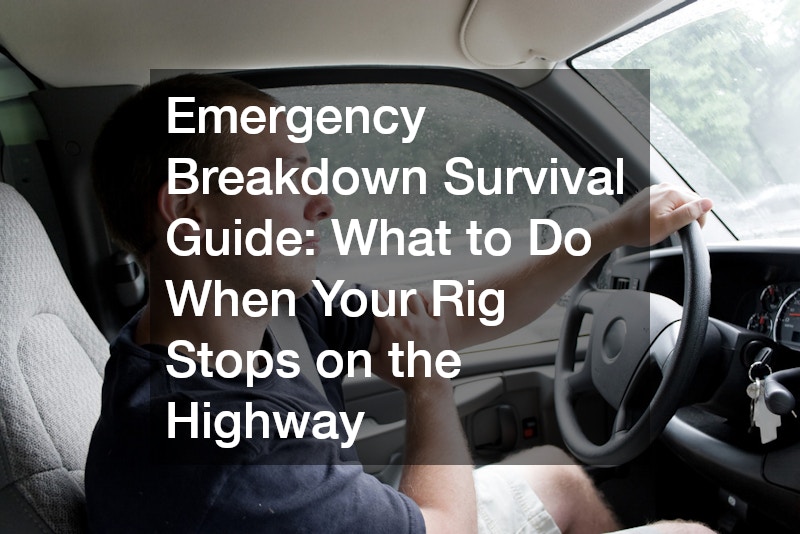
The open highway presents continuous, highly unpredictable challenges for long-haul drivers, regional haulers, and commercial transport operators alike. A sudden mechanical failure at highway speeds can instantly transform a routine freight trip into an urgent, high-stakes operational crisis. When a heavy commercial vehicle loses engine power, suffers a major tire blowout, or experiences a catastrophic transmission failure, the choices made in the initial minutes dictate driver safety, cargo integrity, and overall highway security. Managing a highway breakdown requires a calm mindset, an established safety protocol, and a clear understanding of dispatch logistics.
Every commercial driver must recognize that shoulder stops carry immense inherent risk. High-speed traffic passing just inches away creates an unsafe environment full of ambient noise, severe wind turbulence, and distracted drivers. Establishing immediate safety controls before inspecting engine bays or looking underneath the vehicle chassis is vital for personal survival. A structured response plan ensures that operators stay safe while coordinating efficiently with fleet managers, local emergency services, and mechanical repair coordinators.
Understanding the precise sequence of steps required during a shoulder emergency transforms initial panic into an organized, highly efficient recovery operation. From the moment warning indicators flash across the dashboard, taking methodical steps protects human lives and valuable commercial assets. Establishing immediate contact with reliable roadside assistance provides a vital safety net, allowing trained dispatchers to monitor vehicle location while arranging necessary field support crews to handle the situation. Taking these preliminary precautions reduces confusion, streamlines emergency dispatches, and ensures that the operator remains secure while help is en route.
Securing the Shoulder: Initial Safety Protocols on Busy Routes
When warning lights illuminate or unusual engine vibrations begin, finding a safe area to pull off the active travel lanes becomes the primary goal. Abruptly stopping in an active travel lane creates extreme collision hazards for trailing motorists. Drivers should activate turn signals early, ease off the accelerator pedal, and coast carefully toward the right shoulder or a designated turnout area. If a wide, paved shoulder is unavailable, moving slowly toward the nearest exit ramp or rest stop is usually far safer than remaining in a narrow, constrained emergency lane.
Once the vehicle stops completely, the driver must turn on the hazard flashers right away. During night driving, heavy rain, or thick fog, these flashing hazard lights alert oncoming traffic to the stationary obstacle ahead. The parking brakes should be firmly set, and the engine must be turned off immediately if smoke, burning smells, or fluid leaks appear under the hood.
Deploying reflective warning triangles or emergency flares is required within ten minutes of pulling off the roadway. Federal regulations require three warning devices placed strategically behind the vehicle combination. The first triangle goes four paces back on the traffic side, the second sits one hundred paces back in the center of the shoulder, and the third sits two hundred paces back to give oncoming motorists ample warning time. Walking along the highway shoulder requires continuous vigilance and a constant eye on oncoming traffic. When physical breakdown issues require immediate intervention on site, arranging an emergency truck repair ensures mobile technicians arrive equipped to handle critical fixes safely.
Maintaining Cab Environment and Operator Focus During Delays
Waiting beside a busy highway often involves enduring brutal weather conditions and uncomfortable environments for hours. Extreme summer heat rapidly turns an idling or non-running cab into a dangerous hot box, exposing drivers to heat exhaustion and severe dehydration. Conversely, freezing winter storms quickly drop interior cabin temperatures once the main engine stops generating thermal heat for the sleeper unit.
Sustaining thermal comfort inside the sleeping berth or driver seat is essential for driver health, mental acuity, and focus during multi-hour roadside delays. Rigs configured with quality auto window tint experience significantly less solar heat accumulation inside the cabin, keeping the interior noticeably cooler during sunny mid-day breakdowns. This specialized glass treatment also cuts intense sun glare and offers additional privacy, helping drivers rest comfortably while awaiting field support units.
Besides temperature regulation, drivers should maintain a fully stocked emergency cab supply kit at all times. Essential provisions include several gallons of clean drinking water, non-perishable food items, heavy winter blankets, high-lumen flashlights, and portable battery chargers for cellular devices. A well-prepared driver stays calm, maintains clear communication with fleet coordinators, and avoids making hasty decisions that could compromise personal safety on dangerous highway shoulders. Prioritizing cab comfort prevents mental fatigue and enables operators to make sound, safe choices during difficult circumstances.
Equipping the Rig: Vital Onboard Gear and Utility Hardware
A properly prepared commercial vehicle carries specialized tools designed to handle minor mechanical fixes and streamline emergency recovery operations. While drivers should not attempt major component overhauls on a narrow highway shoulder, having practical utility items allows them to secure loose brackets, manage minor leaks, or perform preliminary inspections safely before mechanics arrive on scene.
High-visibility personal protective equipment is the baseline requirement for any driver exiting the cabin onto the highway. Class 3 reflective vests must be worn the instant a driver steps foot outside the cab onto the asphalt or concrete. Heavy-duty leather work gloves, eye protection, and steel-toe work boots safeguard against hot exhaust pipes, sharp metal edges, heavy components, and leaking engine chemicals.
Practical utility gear includes heavy zip ties, electrical tape, basic hand tool sets, air line couplers, and digital tire pressure gauges. Mounting a durable truck accessory such as a high-powered LED exterior work light or auxiliary strobe setup helps illuminate dark frame rails and wheel wells during night stops. These lighting additions allow drivers to examine air lines, brake chambers, and suspension components without struggling to balance a handheld torch. Having a fully charged battery jumper pack on board also prevents minor electrical drains from turning into permanent strandings.
Systematic Visual Inspections: Identifying the Root Cause
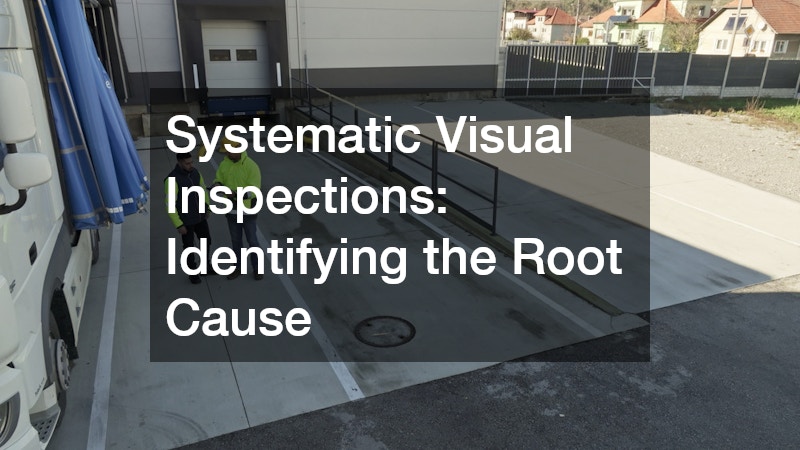
Once warning triangles are deployed and personal safety gear is properly worn, a driver can conduct a cautious visual walkaround. Accurately identifying mechanical symptoms enables fleet dispatchers to send the right mobile service unit and correct replacement parts on the first attempt, saving valuable hours of operational downtime.
The visual check should begin with a complete circle around the entire vehicle combination. Drivers ought to inspect for puddle formations under the oil pan, dangling hoses, sagging frame rails, flat tires, or severed brake lines. Opening the hood reveals thrown belts, cracked radiator hoses, or loose electrical leads. Drivers must never open a hot radiator cap, as scalding coolant under pressure causes severe burns instantly.
Sensory cues provide huge hints regarding underlying mechanical trouble. A strong scent of diesel indicates fuel line pressure loss, while a sweet odor points directly to radiator coolant leaks. Burnt rubber scents point toward locked pulleys or rubbing belts, whereas sharp metallic smells indicate dragging brake shoes or dry wheel bearings. Relay detailed notes to fleet coordinators so they can schedule proper truck repairs with minimum guesswork and unnecessary delay. Documenting these visual findings accurately equips repair personnel with vital context before they arrive on scene.
Evaluating Recovery Options: When Heavy Hauling Is Necessary
Certain mechanical breakdowns cannot be fixed safely on an interstate shoulder or emergency lane. Internal engine block failures, ruined differentials, broken driveshafts, and twisted axles necessitate transporting the vehicle directly to a full-service repair bay. Attempting temporary field fixes on complex driveline components along an active highway poses extreme safety risks to both technicians and passing drivers.
Selecting appropriate recovery equipment requires an accurate weight and dimensional assessment of the stalled vehicle. Heavy haulers require specialized underreach lifts and tandem-axle recovery units built to transport loaded tractor-trailers without bending frames or damaging bodywork during transport.
When calling dispatch, drivers must report exact highway mile markers, gross vehicle weight, cargo status, and total axle counts. Requesting an appropriately rated tow truck guarantees that the responding recovery team brings necessary air line jumpers and heavy-duty rigging gear. Attempting to haul a commercial combination with undersized recovery equipment creates severe road hazards and risks catastrophic structural failure during transit across busy highways.
Combination Rig Challenges: Managing Tractor and Trailer Failures
Drivers operating combination vehicles encounter distinct structural challenges when breakdowns happen far from home terminals. The intricate connections between power units and towed units mean that a failure in one system rapidly impacts the entire combination, complicating recovery efforts.
Air supply lines, commonly known as glad hands, face constant vibration, weather exposure, and friction during cross-country trips. A sudden air leak or severed hose trips the emergency spring brakes instantly, locking up trailer wheels and bringing the rig to a sudden stop on the pavement. Drivers need to know how to inspect air lines, check rubber seals, and drain air tank condensation valves during routine safety checks.
Physical components like fifth-wheel top plates, kingpins, slider locking pins, and landing gear legs also demand regular attention. When a highway breakdown involves both the power unit and trailing chassis, coordinating comprehensive truck and trailer repairs guarantees that coupling mechanisms, wiring harnesses, and air systems are completely restored to federal safety standards before hitting the road again. Diligent monitoring of combination hardware prevents unexpected uncoupling events and maintains vehicle control across varied road conditions.
Safeguarding Fleet Appearance and Exterior Branding Under Stress
A commercial vehicle acts as a rolling billboard for its operating company, conveying professionalism and reliability to thousands of motorists daily. During roadside recovery operations, vehicle surfaces are exposed to heavy friction, road grime, grease, and mechanical stress from winches and chains.
Special precautions are necessary during winching or towing to preserve custom graphics and paint finishes on company vehicles. Commercial rigs protected by a full truck wrap demand careful handling near strap contact points, bumpers, fuel tanks, and side skirts. Recovery crews should utilize padded corner guards and soft synthetic straps to prevent vinyl tears, surface abrasion, or graphic peeling.
Furthermore, fuel spills, battery acid, and hydraulic fluid can weaken vinyl adhesives if allowed to sit on wrapped surfaces for extended periods. Rinsing away chemical residue shortly after completing recovery steps preserves exterior graphics and protects underlying sheet metal from corrosion. Maintaining clean, undamaged exterior surfaces projects corporate pride, even while navigating unexpected operational hiccups and mechanical setbacks.
Suspension and Steering Care: Preventing Highway Blowouts
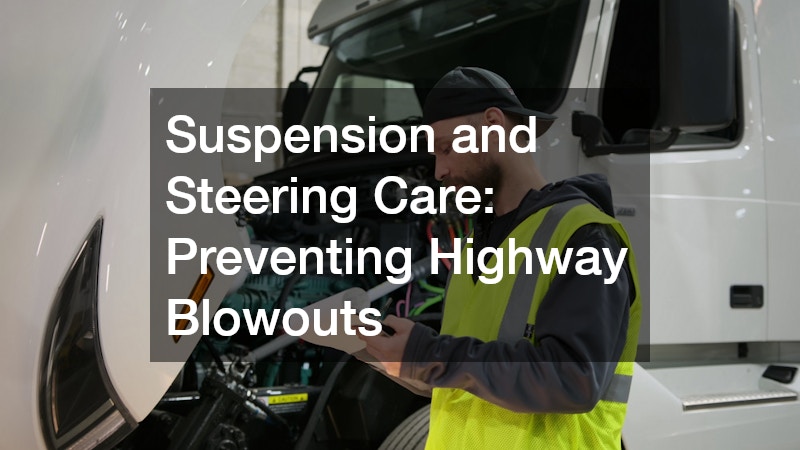
Engine issues are not the sole reason commercial rigs end up stranded on dangerous highway shoulders. Steering misalignments and suspension failures frequently force drivers off the highway due to severe handling instability, excessive vibration, or dangerous vehicle pulling. Violent wheel shimmies, hard pulling, or irregular tire wear patterns serve as critical warnings of imminent suspension breakdown.
Rolling on out-of-spec wheel geometry puts massive friction stress on steer tires, tie rods, kingpins, and steering knuckles. Over time, excessive heat buildup leads to sudden tire tread separation or sidewall blowouts at high speeds. Continuing to drive a rig with severe suspension slop risks complete loss of steering control, endangering everyone on the road.
Following any major suspension repair or roadside recovery incident, scheduling precise alignment services ensures the vehicle tracks true, lowers rolling resistance, and eliminates dangerous wandering on interstate lanes. Proper wheel geometry extends tire tread life, improves fuel mileage, and provides drivers with confidence behind the wheel under heavy load conditions.
Complete Post-Incident Restoration and Shop Maintenance
Surviving a roadside breakdown marks only the beginning of a complete vehicle recovery cycle. Once the rig is safely off the highway shoulder and placed inside a service facility, thorough shop diagnostics must take place to identify hidden damage, stress cracks, and root causes.
Primary component failures frequently cause secondary damage across adjoining engine and chassis systems. For instance, severe engine overheating warps cylinder heads, compromises turbocharger oil seals, and ruins head gaskets. Similarly, a tire blowout on a drive axle can strip air brake hoses, crush mud flap brackets, and sever anti-lock braking wiring harnesses in seconds.
Partnering with certified technicians for thorough automotive repair guarantees that every affected component undergoes rigorous testing, inspection, and replacement. Technicians utilize advanced diagnostic tools, pressure testing equipment, and physical checks to verify that the vehicle meets all federal safety standards. Methodical post-breakdown maintenance eliminates recurring mechanical issues, protects driver safety, and keeps commercial transport fleets operating smoothly across the national highway network. Investing in thorough post-breakdown repairs protects the overall longevity of commercial assets and safeguards operating schedules.