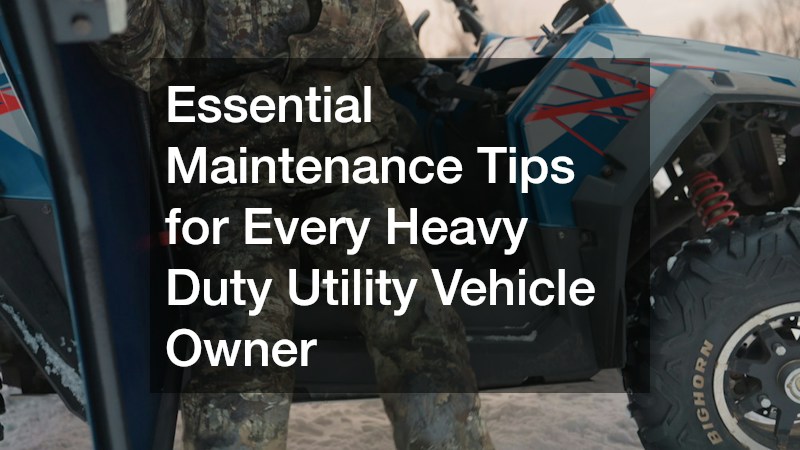
Heavy-duty utility vehicles are the absolute backbone of demanding industries, agricultural operations, and serious off-road projects. Whether you rely on a full-size work truck, a specialized utility tractor, or a fleet of heavy-hauling vehicles, these machines are built to endure punishing environments, high payloads, and continuous operational stress. However, extreme engineering does not make a vehicle invincible. The grueling conditions that utility vehicles face daily make them far more susceptible to accelerated wear, mechanical breakdown, and costly operational delays compared to standard passenger cars.
For any utility vehicle owner, proactive care is not merely an optional habit—it is a financial strategy. The true cost of owning a heavy-duty machine is rarely tied to its initial purchase price; rather, it is determined by how well you protect its longevity and prevent operational downtime. A single unscheduled breakdown on a job site can cascade into missed deadlines, expensive towing fees, emergency repair premiums, and lost revenue. By establishing a structured, thorough maintenance program, you can extend your equipment’s service life, maximize peak torque delivery, preserve resale value, and ensure your team stays safe on the job. This comprehensive guide outlines the critical mechanical, electrical, and structural maintenance protocols every heavy-duty owner must implement.
I. Powertrain and Engine Reliability
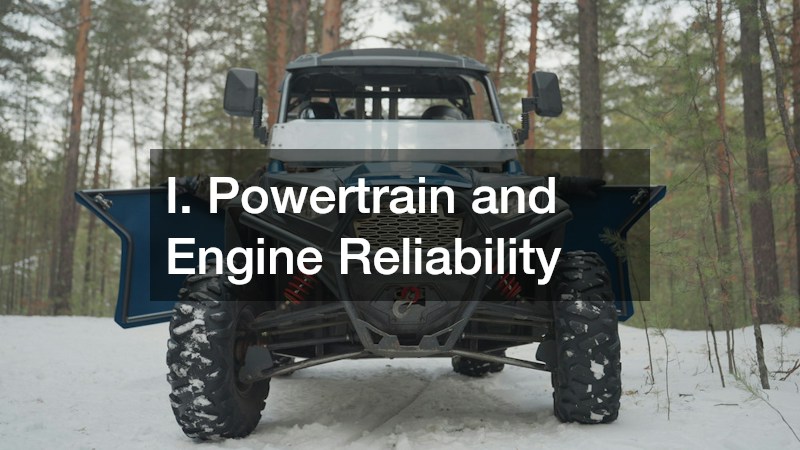
Maintaining a heavy-duty engine requires moving beyond basic automotive routines. Unlike regular passenger vehicle engines, these high-torque engines are subjected to extreme conditions. They typically operate under severe thermal loads, meaning they generate and endure much higher temperatures during normal operation. Additionally, they face constant compression stress due to their powerful operation, designed to handle heavy loads and demanding tasks.
These factors make the health of the engine fluids – such as oil, coolant, and fuel – critically important. Properly maintained fluids help in dissipating heat, reducing friction, and preventing the accumulation of harmful deposits within the engine. Ensuring the integrity of these fluids is thus paramount, as it prevents overheating and minimizes wear and tear on engine components.
Furthermore, component integrity is crucial as each part of these complex engines must operate flawlessly to avoid failures. This involves regular inspection of mechanical components such as pistons, bearings, and the turbocharger system, alongside electronic systems that manage engine performance. The goal is to detect any signs of wear, fatigue, or potential failure points before they evolve into serious problems.
Establish Strict Oil and Fluid Analysis Schedules
Standard mileage-based service intervals are often misleading for utility machinery. Engine hours and duty cycles provide a far more accurate representation of mechanical stress. A truck idling for hours on a construction site or operating continuously at low speeds in high ambient heat experiences significant oil degradation without accumulating traditional road miles.
- Perform regular fluid sampling: Send engine oil, transmission fluid, and differential lubricants to a certified laboratory every few oil changes. Fluid analysis identifies trace metals, fuel dilution, coolant leaks, and soot accumulation long before symptoms manifest as engine damage.
- Monitor viscosity degradation: Thermal breakdown thins the oil, reducing the protective film barrier between critical moving parts like camshaft lobes, bearings, and crankshaft journals.
- Check filter efficiency: Always replace full-flow and bypass oil filters simultaneously using OEM-rated heavy-duty media designed to capture micro-particles under high pressure.
When replacing worn components during routine servicing, sourcing high-grade replacement components is vital. Installing a quality diesel truck part ensures that critical sub-assemblies maintain factory tolerances under high-stress hauling conditions.
Heavy-Duty Engine Overhauls and Mechanical Restoration
Despite meticulous fluid management, high-hour utility engines eventually experience cylinder liner wear, ring degradation, and valve recessions. Recognizing the early signs of mechanical fatigue allows you to plan major interventions rather than reacting to a thrown rod or complete loss of compression on the job.
- Watch for excessive blow-by: Increased crankcase pressure escaping through the breather tube indicates worn piston rings or scored cylinder walls.
- Inspect cooling systems routinely: Cavitation in wet cylinder sleeves can pit metal walls over time. Test your Supplemental Coolant Additives (SCA) or maintain proper Nitrite/Organic Acid Technology (OAT) levels to prevent liner erosion.
- Plan for major overhauls early: When compression drops across multiple cylinders, performing complete diesel engine rebuilds restores factory power levels, replaces worn bearings, and restores fuel efficiency, adding hundreds of thousands of operational miles to your vehicle’s lifespan.
II. Auxiliary Power and Off-Road Fleet Equipment
Utility vehicles rarely operate in isolation. They frequently house auxiliary machinery, onboard power generators, hydraulic pumps, or transport secondary off-road equipment required to perform specialized field work.
Servicing Auxiliary Power Units and Utility Diesel Generators
Auxiliary equipment provides essential power for hydraulic lifters, welding machinery, and mobile tool setups without requiring the main vehicle engine to idle continuously. Maintaining these secondary diesel powerplants requires dedicated attention to fuel systems, filtration, and internal mechanical wear.
- Address fuel stagnation: Auxiliary units often pull from dedicated tanks where fuel can sit for extended periods. Treat fuel with biocide additives to prevent microbial growth and filter out water contamination using high-efficiency fuel-water separators.
- Maintain valve clearances: Small industrial diesel engines require periodic valve lash adjustments to maintain proper intake and exhaust timing under heavy continuous loads.
- Replace tired secondary engines: When small industrial diesel units wear out after thousands of run hours, replacing them with remanufactured Kubota engines offers a cost-effective way to restore complete hydraulic and electrical utility without purchasing entirely new auxiliary platforms.
Trailering, Hauling, and Off-Road Support Machinery
Heavy utility trucks spend a substantial portion of their operational lives hauling trailers loaded with additional machinery, utility vehicles, or trail equipment. Ensuring both the tow rig and the cargo platform are operating safely prevents accidents during transport.
- Inspect tow hitches and deck structures: Check receiver hitches, goosenecks, and frame tie-downs for hairline fractures, heavy corrosion, or metal fatigue caused by dynamic tongue weight forces.
- Maintain trailer running gear: Repack wheel bearings annually, inspect electric or hydraulic trailer brakes, and verify that breakaway emergency braking systems operate correctly before hitting the highway.
- Match trailering capacities to payloads: When outfitting your fleet or browsing regional listings for a Kawasaki ATV for sale to handle light site reconnaissance, ensure the combined gross vehicle weight rating (GVWR) of your truck and trailer comfortably covers the added payload.
III. Chassis, Suspension, and Electrical Systems

The frame, suspension, and wiring form the structural and operational backbone of your vehicle. Neglecting grease points or electrical connections leads to stiff handling, broken leaf springs, and dangerous electrical failures.
Grease Points and Suspension Component Care
Heavy loads place immense pressure on chassis joints, steering linkages, and suspension pivots. Without adequate lubrication, friction quickly grinds metal bushings and ball joints, leading to alignment issues and compromised vehicle control.
- Map out every grease fitting: Locate all grease zerks along the driveshaft U-joints, slip yokes, tie rod ends, ball joints, kingpins, and steering pitman arms.
- Establish a strict greasing routine: Apply high-pressure, lithium-complex chassis grease at every service interval—or immediately after operating in deep mud, water, or severe dust environments to purge contaminants out of the joint seals.
- Inspect load-bearing springs: Look for broken individual leaves in spring packs, dry-rotted air suspension bags, worn shackle bushings, and weeping shock absorbers.
Electrical Diagnostics and Safety Retrofits
Utility work frequently occurs in harsh weather, darkness, and congested work zones. A robust electrical system and modern operator aids are crucial for worker safety and efficient maneuverability.
- Test battery banks under load: Vibration and temperature extremes degrade battery plates. Clean terminal corrosion with a baking soda solution, apply dielectric grease, and run load tests on high-CCA batteries before winter cycles.
- Inspect wiring looms: Secure loose wiring harnesses away from hot exhaust manifolds and moving suspension components. Use heat-shrink connectors for any field repairs to block moisture ingress.
- Enhance operational visibility: Large utility beds, service bodies, and enclosed utility boxes create massive blind spots behind the rear bumper. Installing a high-definition back up camera for truck setups significantly reduces blind-spot accidents, speeds up solo trailer hitching, and protects job site personnel working around the rear of the machine.
IV. Interior Care, Fleet Comfort, and Cab Maintenance
The operator’s cab is a mobile office and control center. A dirty, uncomfortable, or broken interior increases driver fatigue, reduces operational focus, and severely diminishes the overall value of the vehicle.
Preserving Cab Comfort and Ergonomics
Operators spend long, exhausting hours behind the wheel navigating rough terrain or sitting in traffic between job sites. Protecting interior cab components from environmental degradation ensures the cabin remains a clean, functional workspace.
- Protect high-wear contact surfaces: Sun exposure through wide windshields dries out dashboard plastics and interior trim. Apply UV-blocking protectants regularly to prevent cracking and discoloration.
- Maintain HVAC systems: Dust and job site debris quickly clog cabin air filters, reducing blower motor efficiency and recirculating harmful particulates. Replace cabin filters frequently and sanitize evaporator cores to prevent mold growth.
- Restore degraded seating: Heavy tools, muddy work boots, and constant entry and exit tear down seat foam and split factory coverings. Upgrading to heavy-duty auto seat upholstery made from high-denier canvas, commercial vinyl, or reinforced synthetic leather provides moisture resistance, stain protection, and improved lumbar support during long shifts.
Outfitting Cab Accessories for Operational Efficiency
Organizing tools and gear inside the cab keeps vital equipment secure during sudden maneuvers and protects delicate electronics from rolling around the floorboards.
- Secure loose cabin gear: Install floor-mounted storage vaults, under-seat lockboxes, or heavy-duty organizer bags to keep tow straps, diagnostic tools, and emergency supplies restrained.
- Mount communications securely: Ensure two-way radios, GPS units, and fleet management tablets are fixed with rigid mounting brackets rather than temporary suction mounts that can fall off on rough terrain.
- Install heavy-duty interior protection: Equipping the cab floor with a custom-fit truck accessory such as deep-ribbed rubber floor liners traps water, mud, chemical spills, and road salt before it can soak into lower floor insulation and rust out the steel cab floorboards.
V. Preventive Maintenance Framework and Service Planning

A maintenance protocol is only as good as the consistency with which it is applied. Developing structured inspection habits and establishing relationships with qualified repair shops ensures long-term vehicle health.
Routine Inspection Checklists and Operational Schedules
Prevention starts before the engine ever turns over. Instituting a standard operational checklist catches minor fluid leaks, loose fasteners, and damaged tires before they cause major breakdowns away from the shop.
- Implement pre-shift walkarounds: Drivers should spend five minutes checking tire pressures, wheel lug nut torque, fluid levels under the hood, lighting functionality, and looking for fresh fluid drips on the ground.
- Maintain digital service records: Document every oil change, part replacement, alignment, and tire rotation. Detailed maintenance logs streamline future troubleshooting and command higher prices when selling or trading equipment.
- Distinguish DIY tasks from specialist repairs: While filter replacements, chassis greasing, and cosmetic care can easily be done in-house, complex electronic diagnostics, fuel injector calibration, and major driveline work should be handled by specialized auto repair services to guarantee work quality and warranty coverage.
Professional Fleet Servicing and Marine Support Integration

Certain specialized tasks require industrial-grade lifts, high-end diagnostic software, and factory-trained technicians to execute correctly. Establishing a scheduled maintenance agreement with a commercial repair facility prevents unexpected downtime.
- Schedule comprehensive annual inspections: Beyond routine oil swaps, schedule an annual deep-dive inspection where technicians check engine timing, perform cooling system pressure tests, calibrate transmission shift points, and run full system fault code sweeps.
- Partner with reliable service centers: Partnering with an established truck service provider ensures access to heavy-duty diagnostics, high-capacity lifts, and certified diesel technicians who understand commercial vehicle compliance regulations.
- Manage secondary recreational and transport equipment: Many heavy utility vehicle owners also operate marine transport setups for commercial or recreational purposes. Extending your vehicle’s strict maintenance discipline to your marine hauling equipment keeps towing components safe, especially when browsing local boat sales for updated watercraft or heavy-duty boat trailers that demand substantial hitch weights and specialized electrical braking integration.
Taking a systematic, proactive approach to heavy-duty vehicle care transforms routine maintenance from a dreaded expense into a high-return investment. By establishing strict fluid management protocols, keeping chassis and steering components properly greased, protecting the operator cab, and relying on qualified technicians for complex overhauls, you safeguard your machinery against early failure. Heavy-duty utility vehicles are built to tackle the toughest jobs on earth—giving them the care and attention they require guarantees they will continue working for you, day after day, year after year.