Owning a vehicle provides an unmatched sense of freedom, convenience, and mobility. Whether commuting to work, embarking on a cross-country road trip, or utilizing a fleet for business operations, having reliable transportation is vital to modern life. However, vehicle ownership involves much more than simply filling the fuel tank and scheduling the occasional oil change. Over time, every automobile is subjected to mechanical wear, environmental exposure, cosmetic damage, and the unpredictable hazards of the road.
To preserve your vehicle’s performance, safety, structural integrity, and financial value, you must adopt a holistic approach to automotive care. Many drivers make the mistake of addressing vehicle issues only after a major failure occurs. This reactive mindset often results in exorbitant repair bills, unnecessary safety risks, and a drastically reduced resale value when it comes time to sell or trade in the vehicle.
By understanding the comprehensive range of professional automotive services available today—ranging from routine mechanical maintenance and collision restoration to advanced surface protection, custom utility additions, and emergency roadside extraction—you can make informed, cost-effective decisions throughout your car’s operational life.
Foundation of Vehicle Reliability: Mechanical Care & Routine Maintenance
The cornerstone of long-term vehicle longevity sits within the mechanical systems underneath the hood and body. Routine care keeps vital components functioning within their designed tolerances, preventing minor wear from escalating into severe system failures. Beyond engine oil, fluid flushes, and brake inspections, maintaining a vehicle requires establishing a consistent care strategy and addressing minor safety hazards before they escalate into major dangers.
Finding a Trustworthy Mechanic Before an Emergency Strikes
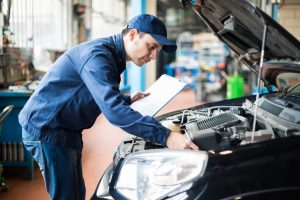
One of the most important decisions a car owner can make is establishing a relationship with a reliable repair facility before an urgent breakdown happens. Waiting until your engine overheats or your transmission slips puts you at a disadvantage, often forcing you to choose whichever shop has an immediate opening rather than one that delivers top-tier workmanship.
When evaluating potential service providers, consider the following criteria:
- Professional Certifications: Look for facilities employing technicians certified by Automotive Service Excellence (ASE) or those holding manufacturer-specific credentials. These qualifications demonstrate rigorous training and up-to-date technical knowledge.
- Facility Cleanliness and Equipment: Modern automobiles rely heavily on complex electronic control units and diagnostic systems. A well-maintained facility equipped with modern computer scanners indicates an investment in quality service.
- Transparent Communication: A high-quality shop will provide detailed written estimates, explain necessary repairs clearly without high-pressure tactics, and show you worn or replaced parts upon request.
- Customer Reviews and Local Reputation: Consistently positive feedback from long-term customers provides valuable insight into a business’s honesty, pricing accuracy, and warranty support.
Developing an ongoing relationship with local car repair shops ensures your vehicle receives consistent preventative care. Established facilities keep thorough records of your service history, making it easier to track upcoming maintenance milestones, spot emerging mechanical issues early, and maintain a documented record that enhances resale value.
The Hidden Safety Risks of Ignoring Minor Windshield Chips
While mechanical components keep your car moving, your windshield plays an indispensable role in your overall physical safety. Automotive glass is not merely a transparent barrier against wind, rain, and insects; it is an integral structural component of the vehicle’s safety cell. In many modern vehicles, the windshield provides up to 30 percent of the structural strength required to prevent the roof from crushing during a rollover accident. Additionally, it serves as the backing force for the passenger-side airbag during deployment.
When road debris strikes your glass and creates a small chip or bullseye crack, the structural integrity of the pane is immediately compromised. Environmental factors accelerate this damage quickly:
- Temperature Swings: Using the defroster on a freezing morning or parking in direct sunlight during summer causes the glass to expand and contract unevenly, forcing minor chips to turn into long cracks across your field of vision.
- Vibration and Road Impact: Navigating potholes, speed bumps, or rough gravel roads sends kinetic shocks through the vehicle frame, driving stress straight through compromised glass.
- Moisture Intrusion: Rain and washer fluid can seep into the laminate layer between the glass sheets, freezing in winter or expanding, which further destabilizes the glass structure.
Small chips can often be resin-injected quickly and affordably if caught right away. However, once a crack extends beyond a few inches or enters the driver’s direct line of sight, full auto glass replacements become mandatory. Modern vehicles equipped with Advanced Driver Assistance Systems (ADAS)—such as lane departure warnings, automatic emergency braking, and adaptive cruise control—require precision installation when glass is swapped out. The cameras and sensors mounted behind the windshield must be meticulously recalibrated to ensure safety features operate accurately.
Structural Integrity & Collision Recovery: What to Do After an Impact
Even the most cautious drivers can find themselves involved in traffic accidents or minor collisions. When an impact occurs, the focus shifts from routine maintenance to structural repair and cosmetic restoration. Restoring a vehicle to its pre-accident condition requires sophisticated machinery, specialized expertise, and an uncompromised commitment to safety standards.
Restoring Frame Integrity and Alignment After a Crash
Modern vehicles are built using unibody construction or hydroformed steel frames designed to absorb and redistribute impact energy through strategic crumple zones. While this engineering protects passengers during a collision, it means that even a moderate impact can warp, bend, or twist the underlying chassis. Driving a vehicle with a misaligned or structurally compromised frame causes rapid, uneven tire wear, severe handling instability, and compromised safety in subsequent accidents.
Entrusting your vehicle to a fully equipped auto body shop ensures that hidden structural damage is thoroughly diagnosed and corrected. Skimping on frame repairs or relying on cosmetic fixes alone leaves your car structurally unsound, putting everyone inside at risk should another collision occur.
Precision Refinishing and Color Matching for Heavy Vehicles
Once structural safety is fully restored, attention turns to exterior refinishing. Painting a vehicle is a precise chemical and technical art that requires far more than applying a coat of aerosol paint. It demands meticulous surface preparation, multi-layer application, and controlled curing conditions to achieve a seamless, factory-quality finish.
Refinishing commercial vehicles, utility rigs, and large work trucks presents unique challenges due to their sheer surface area, heavy usage demands, and exposure to harsh industrial environments. Professional refinishing follows a rigorous multi-step procedure.
Investing in a specialized truck painting service ensures that large utility vehicles and commercial trucks receive a finish built to withstand severe weather, road salts, and daily wear without peeling, fading, or rusting prematurely. A clean, professional paint job maintains company branding and extends the operational lifespan of expensive heavy assets.
Modern Exterior Protection & Paint Preservation
Preventing damage is always more cost-effective than repairing it. Today’s automotive aftermarket offers advanced protective solutions engineered to shield a vehicle’s exterior from environmental hazards, chemical contamination, and mechanical wear. Implementing these physical barriers keeps factory paint looking brand new for years.
Shielding High-Impact Areas from Road Debris and Scratches
Every time you drive down the highway, your vehicle’s front end faces a barrage of high-speed sand, small rocks, road salt, insects, and organic debris. Over time, these continuous impacts create dozens of tiny paint chips, exposing the underlying metal to moisture and accelerating rust formation.
Traditional protection methods like vinyl bras or plastic bug deflectors often trap dirt underneath, scratching the paint they were meant to protect. Modern owners rely instead on clear thermoplastic urethane films applied directly to vulnerable panels.
Applying high-grade paint protection film to high-wear areas—such as the front bumper, hood, side mirrors, and fender edges—drastically reduces paint erosion. This preserves your car’s visual appeal while protecting its long-term financial value.
Versatile Styling and Exterior Preservation Options
While clear barriers focus on preserving original factory paint, many vehicle owners want to customize their vehicle’s color, finish, or branding without permanently altering the underlying metal. Advanced vinyl application techniques offer an ideal balance of visual customization and physical surface protection.
Partnering with a certified vehicle wrap service guarantees that material is laid smoothly without air bubbles, lifted edges, or razor marks on your paint. Whether applied for visual customization or commercial advertising, quality vinyl provides durable protection against daily wear and tear.
Advanced Cosmetic Repairs & Utility Upgrades
Not all exterior defects require complete panel replacements or full repaints, nor are all vehicle upgrades focused purely on mechanics. Understanding modern cosmetic restoration techniques and functionality-boosting upgrades allows you to keep your vehicle looking sharp while maximizing its practical utility.
Fixing Minor Dings and Hail Damage Without Repainting
Parking lots, unexpected hail storms, and stray sports balls regularly inflict small, unsightly dents on otherwise pristine vehicle bodies. Traditionally, fixing even a tiny ding required grinding away the factory paint, applying body filler, sanding the panel smooth, and repainting the entire section. This labor-intensive process compromised factory paint finishes and cost hundreds of dollars per dent.
Modern paintless dent removal techniques have revolutionized cosmetic body repair. By accessing the back side of a damaged metal panel, skilled technicians use specialized steel rods, hand tools, and reflective LED boards to slowly massage bent metal back into its original shape without cracking the paint surface.
Because this field requires incredible hand-eye coordination and spatial awareness, tech-minded car enthusiasts and aspiring mechanics often enroll in an intensive paintless dent repair class. Mastering these techniques teaches precise metal manipulation skills, allowing technicians to fix hail damage and parking dings flawlessly while offering high-value cosmetic services to consumers.
Securing Cargo and Weatherproofing Your Vehicle’s Bed
For truck owners, utility is the primary driver of purchase. However, an open truck bed leaves valuable cargo completely exposed to theft, heavy rain, snow, and road grime. Furthermore, an open bed creates aerodynamic drag as air catches against the tailgate at high speeds, reducing fuel efficiency over long distances.
Adding high-quality truck bed covers locks gear away safely, shields cargo from severe weather, and streamlines airflow over the bed to optimize highway fuel mileage. It is one of the most practical upgrades a truck owner can make to improve everyday utility.
Roadside Emergencies & Heavy-Duty Assistance
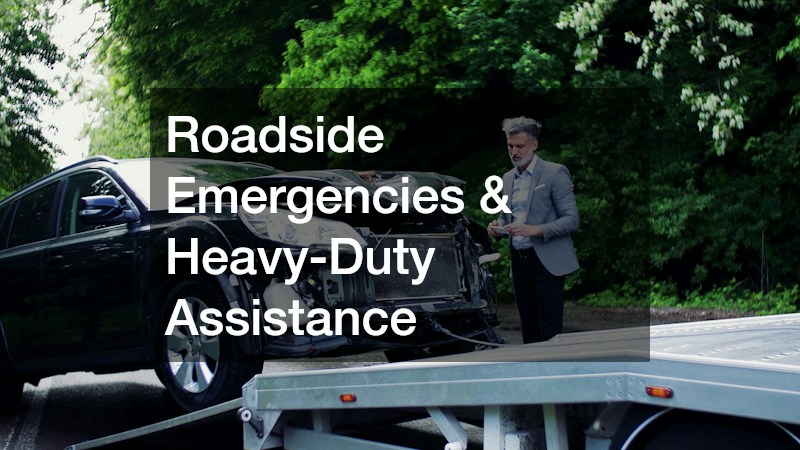
No matter how meticulously you maintain your vehicle, unexpected mechanical failures, flat tires, electrical issues, or accidents can still leave you stranded on the side of a highway. Knowing how emergency extraction works and requesting the right assistance keeps you safe and prevents secondary vehicle damage during transport.
What to Expect and Request During a Standard Breakdown
Experiencing a vehicle breakdown along a busy interstate or remote road is a stressful experience. Knowing how to handle the situation quickly reduces anxiety and keeps you and other drivers safe:
- Safety First: If possible, steer your vehicle onto the right shoulder, clear of active traffic lanes. Turn on your emergency hazard lights immediately to warn oncoming traffic.
- Stay Inside the Vehicle: If you are stopped along a high-speed highway, remaining inside your vehicle with your seatbelt fastened is generally much safer than standing outside on the shoulder.
- Communicate Precise Location: Note mileage markers, nearby exit numbers, or cross streets using your smartphone’s GPS to give dispatchers clear location details.
- Specify Your Vehicle Type: Tell the operator if your vehicle has all-wheel drive (AWD), low ground clearance, or custom modifications so they send appropriate equipment.
When requesting transport for passenger cars, dispatching flatbed tow trucks is generally the safest option. Unlike traditional hook-and-chain rigs that lift two wheels off the ground, a flatbed winches the entire vehicle onto a level hydraulic platform. This prevents drivetrain binding on all-wheel-drive systems, protects low bumpers from scraping, and avoids unnecessary tire wear during transit to a repair shop.
Specialized Extraction for Commercial Rigs and Off-Road Scenarios
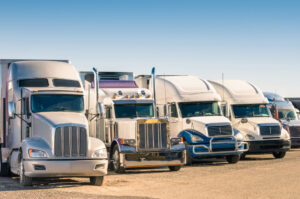
Standard roadside transport equipment works well for passenger sedans and light SUVs, but it falls short when dealing with fully loaded commercial vehicles, semi-trucks, construction equipment, or vehicles flipped in deep ditches. Recovering massive machinery requires heavy-duty rigging equipment, industrial winches, and certified recovery operators.
When a commercial rig or heavy vehicle suffers a severe off-road incident or rollover, contacting a specialized heavy recovery service is essential. These certified crews possess the training, rigging knowledge, and heavy-duty equipment needed to stabilize dangerous crash scenes, clear major roadways quickly, and transport heavy assets safely without causing further mechanical damage.
Using This Guide for Auto Services
Vehicle ownership involves a dynamic mix of responsibility, planning, and investment. A car is often one of the largest financial investments a person or business makes, second only to real estate. Protecting that investment requires moving beyond reactive fixes and embracing a proactive, comprehensive strategy for vehicle maintenance and care.