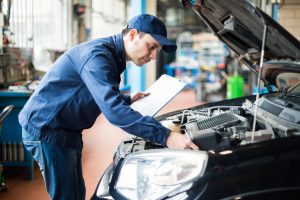
Every day driving places continuous demands on a vehicle, from short commutes to longer highway trips and stop-and-go traffic in between. Over time, even well-built cars and trucks begin to show signs of wear if they are not properly maintained. Safety and performance are not achieved through one-time repairs—they result from consistent attention, smart driving habits, and timely professional care.
This guide explores practical ways drivers can improve reliability, reduce unexpected breakdowns, and extend their vehicles’ lifespans. Each section focuses on actionable steps to help prevent small issues from turning into costly repairs and to support smoother, safer driving experiences.
Keeping Your Vehicle Clean and Preserving Long-Term Condition
Maintaining a clean vehicle is not just about appearance—it directly affects safety, longevity, and overall condition. Dirt, grime, road salt, and debris can slowly damage both interior and exterior surfaces if left untreated. Over time, these contaminants can lead to rust, faded paint, clogged seals, and even reduced functionality of moving parts, such as door hinges and trim components. Inside the cabin, dust and debris buildup can also affect air quality and contribute to premature wear on upholstery and electronic controls.
A well-maintained vehicle also tends to retain its worth better over time, especially when regular professional care is involved. This has a direct impact on car value, as buyers typically look for signs of consistent maintenance, a clean interior, and a well-preserved exterior when evaluating a used vehicle. Working with a local car detailer can help ensure that both visible and hidden areas of the vehicle are properly cleaned and protected. Professional detailing often includes deep-cleaning techniques that go beyond standard washing, such as paint decontamination, stain removal, and protective coatings that help shield surfaces from long-term damage.
In addition, consistent cleaning routines can help drivers identify small issues early, such as paint chips, fluid leaks, or interior wear that might otherwise go unnoticed.
Actionable maintenance tips:
- Wash your vehicle every 1–2 weeks, especially during the winter months
- Wax or seal paint every few months to protect against environmental damage
- Vacuum carpets and seats to prevent the buildup of dirt and allergens
- Clean door jambs and undercarriage areas where debris accumulates
- Apply UV protection to dashboards and interior surfaces
- Inspect weather stripping and seals for cracks or wear during cleaning
- Remove road salt promptly after winter driving to prevent corrosion buildup
Keeping the vehicle in good condition also supports long-term reliability by preventing corrosion and interior degradation that can affect mechanical components.
Staying Ahead of Mechanical Issues Before They Escalate
Routine mechanical care is one of the most important aspects of safe driving. Many major breakdowns begin as small, easily overlooked issues. Regular inspections and maintenance help identify problems early, reducing the risk of sudden failure. What often starts as a minor vibration, slight delay in response, or subtle change in engine sound can quickly evolve into a significant mechanical problem if ignored. Staying consistent with maintenance not only improves reliability but also helps drivers avoid inconvenient breakdowns in unsafe conditions, such as busy highways or poor weather.
Using trusted professionals for auto repair services ensures that your vehicle receives consistent attention, from fluid checks to brake inspections and engine diagnostics. Repeated attention to maintenance schedules can significantly improve reliability. Professional technicians are also trained to recognize early warning signs that may not be obvious during everyday driving, such as uneven tire wear patterns, early-stage belt deterioration, or subtle engine misfires.
In addition, keeping a maintenance log can help drivers track recurring issues and ensure service intervals are not missed, especially for high-mileage vehicles or older models.
Common preventive maintenance steps:
- Change engine oil and filters at recommended intervals
- Inspect brake pads and rotors regularly for wear
- Check fluid levels (coolant, brake fluid, transmission fluid)
- Monitor tire pressure and tread depth monthly
- Listen for unusual noises or vibrations while driving
- Inspect belts and hoses for cracking or fraying
- Rotate tires to promote even wear and extend lifespan
Warning signs that should not be ignored:
- Dashboard warning lights are staying on
- Reduced fuel efficiency
- Difficulty starting the engine
- Grinding or squealing noises during braking
- Shaking or pulling while driving at steady speeds
- Sudden drops in acceleration or responsiveness
Addressing these issues early helps prevent costly repairs and keeps the vehicle performing safely under daily driving conditions. Taking a proactive approach to mechanical care ensures that small problems are resolved before they compromise safety, performance, or long-term vehicle health.
Maintaining Smooth Power Delivery and Transmission Health

The transmission plays a critical role in how smoothly a vehicle accelerates and shifts between speeds. When it begins to fail, driving can become unsafe and unpredictable, especially during merging, uphill driving, or stop-and-go traffic. Because the transmission transfers engine power to the wheels, even minor issues can significantly affect performance and drivability. Ignoring early symptoms often leads to more extensive damage, which can result in complete system failure and costly repairs.
Early diagnosis through a qualified local transmission repair service can prevent complete system failure and reduce long-term repair costs. Skilled technicians can perform diagnostic scans, pressure tests, and fluid inspections to determine whether issues are mechanical, hydraulic, or electronic. In many cases, catching problems early allows for minor adjustments or fluid service instead of a full rebuild or replacement.
It is also important to understand that modern transmissions are highly sensitive to driving habits and fluid quality. Even minor neglect can significantly shorten their lifespan.
Signs of transmission issues:
- Delayed or rough shifting between gears
- Slipping gears during acceleration
- Burning smell from the engine area
- Fluid leaks under the vehicle
- Unusual whining or humming noises
- Jerking sensation when changing speeds
- Difficulty engaging the drive or reverse
Best practices for transmission care:
- Check transmission fluid regularly and replace when necessary
- Avoid aggressive acceleration and sudden braking
- Allow the vehicle to warm up before heavy driving in cold weather
- Do not overload the vehicle beyond its capacity
- Schedule periodic transmission inspections even if no symptoms are present
- Use manufacturer-recommended fluids to maintain proper lubrication
Transmission health is directly tied to driving behavior, making it one of the most important systems to monitor for long-term performance. Consistent care ensures smoother gear transitions, better fuel efficiency, and a significantly reduced risk of unexpected breakdowns on the road.
Protecting Visibility and Road Safety Through Glass Care
Clear visibility is essential for safe driving, and even small chips or cracks in the windshield can quickly become major hazards. Temperature changes, road vibrations, and debris impacts can cause minor damage that spreads rapidly across the glass surface. What may start as a tiny chip from gravel can expand into a long crack after just a few days of driving, especially during hot or freezing weather. This not only obstructs the driver’s view but can also compromise the vehicle’s overall structural integrity.
Timely auto glass replacement ensures that structural integrity and driver visibility are maintained. In many cases, addressing damage early can prevent the need for a full windshield replacement or more extensive repairs to surrounding frames and seals. Modern windshields are also integrated into vehicle safety systems, meaning damage can interfere with sensors and advanced driver assistance features.
Why windshield condition matters:
- Supports airbag deployment in modern vehicles
- Maintains structural strength in collisions
- Prevents distortion of road visibility
- Reduces the risk of sudden shattering
- Ensures proper function of camera and sensor-based safety systems
- Helps maintain cabin pressure stability during impact
Preventive measures:
- Avoid following large trucks too closely on highways
- Park in shaded or covered areas when possible
- Repair chips immediately before they spread
- Clean glass regularly using non-abrasive cleaners
- Avoid slamming doors, which can worsen existing cracks
- Defrost windshields gradually instead of using extreme heat
In addition, inspecting your windshield after long trips or rough road conditions can help catch new damage early. Even minor chips should be evaluated promptly, as delaying repairs increases both safety risks and long-term costs. Ignoring glass damage may lead to reduced safety and more expensive repairs later on.
Handling Unexpected Breakdowns Safely and Efficiently

Breakdowns can happen without warning, even in well-maintained vehicles. Knowing how to respond can make a major difference in both safety and repair outcomes. In many cases, how a driver reacts in the first few minutes determines whether the situation remains manageable or becomes dangerous. Staying calm and following a clear plan helps reduce risk, especially on high-traffic roads or in low-visibility conditions such as nighttime or heavy rain.
In situations where a vehicle cannot be driven safely, towing services provide essential transportation to a repair facility. For less severe issues, mobile truck repair options allow technicians to perform on-site diagnostics and repairs, minimizing downtime. Having access to both options ensures that drivers can choose the safest and most efficient solution depending on the severity of the problem. Mobile repair services are especially useful for minor electrical issues, battery problems, or small mechanical failures that do not require a full shop visit.
It is also important to recognize that attempting to drive further could cause additional damage. Continuing to operate a failing vehicle can turn a simple repair into a much more expensive problem.
Steps to take during a breakdown:
- Move the vehicle to a safe location if possible
- Turn on hazard lights immediately
- Stay inside the vehicle if on a busy roadway
- Contact roadside assistance or a trusted service provider
- Keep emergency supplies in the vehicle
- Use reflective triangles or flares if available
- Avoid standing near traffic lanes while waiting for help
Benefits of mobile repair services:
- Faster response time in many situations
- On-site diagnostics without towing delays
- Reduced disruption to daily schedules
- Convenient service for minor mechanical issues
- Ability to resolve problems at home, work, or roadside
- Lower stress compared to arranging transport to a shop
Being prepared for breakdowns reduces stress and improves safety during unexpected events. Keeping emergency contacts saved, maintaining a basic roadside kit, and understanding available service options can make a significant difference in unexpected situations.
Maintaining Diesel Engine Performance and Efficiency
Diesel engines are known for durability and torque, but they require specialized maintenance to remain efficient. Ignoring diesel-specific maintenance needs can lead to reduced performance and expensive repairs.
Professional diesel truck repairs focus on systems such as fuel injection, turbochargers, and exhaust components, all of which are critical for engine efficiency.
Common diesel engine issues:
- Hard starting in cold conditions
- Excessive exhaust smoke
- Reduced fuel efficiency
- Loss of engine power under load
- Fuel injector clogging
Maintenance recommendations:
- Replace fuel filters regularly to prevent contamination
- Use high-quality diesel fuel when possible
- Monitor the exhaust system for blockages or leaks
- Schedule routine engine diagnostics
- Keep up with oil changes using diesel-rated oil
Proper maintenance ensures that diesel vehicles remain reliable for both personal and commercial use.
Enhancing Protection and Appearance with Exterior Coverage
Vehicle wraps offer both aesthetic and functional benefits by protecting the original paint while allowing customization. They act as a protective barrier against scratches, UV exposure, and minor abrasions.
Benefits of vehicle wraps:
- Protect factory paint from fading and damage
- Allow for custom designs and branding
- Easier maintenance compared to traditional paint
- Can be removed without damaging original surface
- Helps preserve exterior condition over time
Care tips for wrapped vehicles:
- Wash using gentle, non-abrasive methods
- Avoid high-pressure washing directly on edges
- Park in shaded areas when possible
- Clean spills or contaminants quickly
Wraps are especially useful for commercial vehicles or drivers who want to maintain exterior quality while adding a personalized look.
Building a Long-Term Vehicle Maintenance Strategy
Consistent maintenance planning is the foundation of safe and efficient driving. Instead of reacting to problems, drivers benefit most from a proactive approach that includes scheduled inspections and routine care.
Key components of a maintenance strategy:
- Create a seasonal service checklist
- Track mileage-based maintenance intervals
- Budget for routine servicing and unexpected repairs
- Keep records of all maintenance and inspections
- Address small issues immediately before they escalate
Long-term benefits:
- Improved fuel efficiency
- Reduced likelihood of breakdowns
- Lower repair costs over time
- Better overall vehicle performance
- Increased safety for drivers and passengers
A structured maintenance plan ensures that no important system is overlooked, helping the vehicle remain reliable year-round.
Improving everyday driving safety and performance requires consistent attention to both visible and mechanical aspects of a vehicle. From routine care and preventive maintenance to handling unexpected issues effectively, each step plays a role in keeping vehicles reliable and safe.
By developing strong maintenance habits and addressing problems early, drivers can extend their vehicles’ lifespans, reduce repair costs, and enjoy a smoother driving experience in all conditions.