
Crossing the 100,000-mile mark on your odometer used to feel like the automotive equivalent of a retirement party—the moment you started browsing dealership lots and bracing yourself for looming mechanical breakdowns. A few decades ago, a six-figure odometer reading genuinely meant worn piston rings, slipping gears, and rusting rocker panels. Today, thanks to tighter manufacturing tolerances, synthetic lubricants, and computerized fuel management, 100,000 miles is barely middle age for a modern vehicle. With consistent care, most contemporary sedans, crossovers, and trucks are engineered to cruise comfortably past 200,000 or even 300,000 miles.
Reaching the 100,000-mile club—and keeping your vehicle feeling tight, quiet, and dependable long after—isn’t a matter of luck. It requires shifting your mindset from reactive repairs to proactive preservation. By mastering fluid chemistry, staying ahead of suspension and brake wear, protecting your exterior finish, and building a reliable maintenance support network, you can keep your daily driver running like new for years to come.
Mastering Fluids and Powertrain Longevity
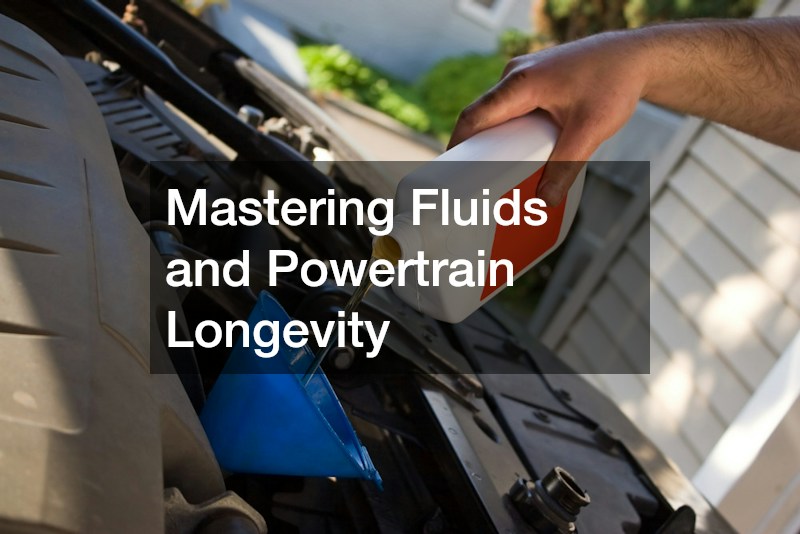
Under the hood, heat and friction are the two primary enemies of mechanical longevity. Every fluid in your vehicle serves a dual purpose: lubricating moving metal surfaces and carrying destructive heat away from precision components. Over tens of thousands of miles, thermal cycles break down additive packages, turning fresh lubricants into acidic sludge that accelerates internal wear.
Move Beyond “Lifetime” Fluid Myths with Proactive Intervals
One of the most misleading phrases in modern owner’s manuals is “lifetime transmission fluid.” Automakers define “lifetime” as the duration of the factory powertrain warranty—typically 60,000 to 100,000 miles—not the 250,000-mile lifespan you actually want out of your car. Inside an automatic, dual-clutch, or continuously variable transmission (CVT), microscopic clutch material and metal particles gradually contaminate the fluid, clogging narrow valve-body passages and starving solenoids of proper hydraulic pressure.
- Adopt a 45,000- to 60,000-mile drain-and-fill schedule: Rather than waiting for shifting problems to appear, perform a gentle drain-and-fill of your gearbox fluid every 50,000 miles. If your vehicle has never had its fluid changed and is already well past 120,000 miles, opt for a simple drain-and-fill rather than a high-pressure chemical flush, which can dislodge debris into sensitive valves.
- Respond immediately to early warning signs: If you notice delayed engagement when shifting from Park to Drive, subtle shuddering under light highway acceleration, or flaring RPMs between gears, consult specialized transmission repair services right away. Catching a failing solenoid, worn torque converter, or low fluid level early can save you from a complete gearbox rebuild.
- Shorten engine oil intervals for severe driving: Even if your dashboard oil-life monitor suggests 10,000-mile intervals, stick to full-synthetic oil and filter changes every 5,000 to 6,000 miles once you pass 100,000 miles. Short commutes, stop-and-go traffic, and extreme temperatures dilute oil with unburned fuel and moisture, accelerating timing-chain stretch and piston-ring carbon buildup.
Choose OEM-Grade Filters, Belts, and Gaskets Over Bargain Replacements
As a vehicle enters its second decade or crosses six figures on the odometer, rubber and plastic components naturally lose elasticity. Valve cover gaskets harden and weep oil onto hot exhaust manifolds, serpentine belts develop micro-cracks, and mass airflow or oxygen sensors grow sluggish, quietly hurting fuel economy and catalytic converter health.
When replacing aging under-hood components, resist the temptation to buy the cheapest white-box alternatives online. Sourcing factory-spec or Original Equipment Manufacturer (OEM) auto parts ensures exact tolerances, proper heat resistance, and accurate sensor voltage readings. A bargain crankshaft position sensor or aftermarket thermostat might save $25 upfront, but if it fails six months later or reads five degrees off, you end up paying twice for labor—or risking catastrophic engine overheating. Keep a dedicated note in your maintenance records of OEM part numbers for filters, spark plugs, and belts so you never have to guess during routine service.
Inspect Cooling Systems Before Summer Heat Strikes
Nothing ends the life of a high-mileage engine faster than a single severe overheating event. Modern aluminum cylinder heads can warp within minutes when deprived of coolant, turning a $40 failed thermostat into a $3,500 head-gasket replacement.
- Flush coolant every five years or 50,000 miles: Over time, coolant loses its anti-corrosive properties and turns acidic, eating away at aluminum radiator cores, heater cores, and water pump impellers from the inside out. Always refill with the exact coolant chemistry specified for your make—mixing incompatible formulas can create a thick gel that blocks passages.
- Squeeze hoses and check plastic neck fittings: Before the first heatwave of the year, inspect upper and lower radiator hoses when the engine is cold. They should feel firm and pliable, never mushy, swollen, or brittle. Pay close attention to plastic coolant reservoir tanks and radiator end-tanks for hairline cracks or dried white crust around seams.
- Replace water pumps proactively with timing belts: If your engine uses a timing belt rather than a timing chain, it is almost always due for replacement between 90,000 and 105,000 miles. Always replace the water pump, tensioner pulleys, and idler bearings during the same job, since the labor overlap saves hundreds of dollars.
Protecting Your Suspension, Steering, and Tires
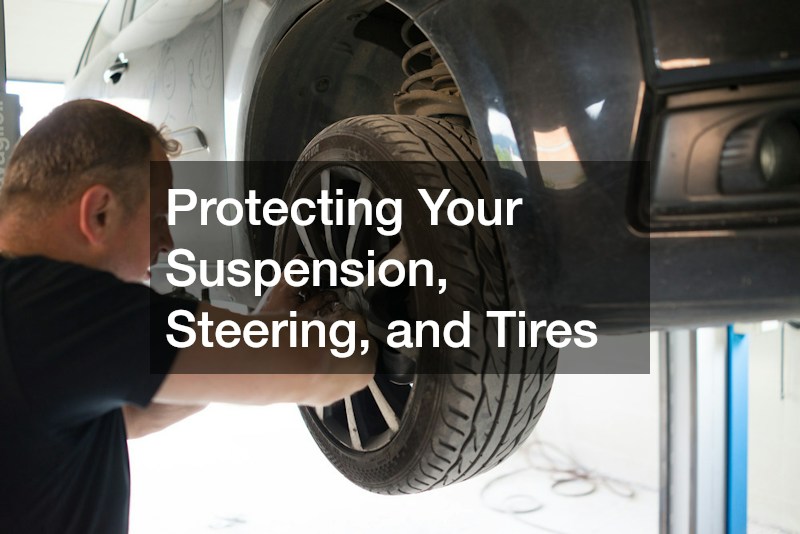
The primary reason a 120,000-mile car often feels “old” behind the wheel has nothing to do with the engine—it comes down to tired suspension geometry and worn rubber bushings. Over years of absorbing potholes, speed bumps, and railroad crossings, springs sag, damper seals weep fluid, and control-arm bushings tear, leaving the steering vague and noisy.
Catch Uneven Tread Wear Before It Ruins a New Set of Rubber
Your tires are the single most revealing diagnostic tool on your vehicle. Because they are the only four patches of contact connecting two tons of steel to the pavement, any subtle flaw in suspension angles, tire pressure, or wheel balance leaves a distinct fingerprint across the tread blocks.
Rotate your tires religiously every 5,000 to 7,500 miles—ideally during every oil change—so front and rear tires wear evenly despite differences in weight distribution and steering duties. At least once a year, or whenever you notice a steering-wheel shimmy at highway speeds, visit a reputable tire shop to have your wheels road-force balanced and inspected for internal belt separation, sidewall dry rot, or embedded nails. Checking cold tire pressures once a month with a digital gauge also prevents premature shoulder wear and preserves peak fuel efficiency.
Re-Center Your Geometry After Pothole Impacts and Strut Swaps
Even if you never hit a curb, normal suspension settling over 100,000 miles gradually pulls camber, caster, and toe angles out of factory specification. Toe misalignment is particularly destructive: if your front wheels point inward or outward by even a fraction of a degree, the tires scrub sideways across the asphalt with every mile you drive, chewing through expensive rubber in a matter of months.
Schedule annual auto alignment services—and always book an alignment immediately after replacing tie rods, control arms, ball joints, or struts, or after striking a deep pothole. A four-wheel laser alignment restores crisp on-center steering feel, stops your car from pulling toward the shoulder, and significantly reduces rolling resistance.
Prioritizing Stopping Power and Undercarriage Safety
While powertrain maintenance keeps your car moving forward, braking and undercarriage care ensure you can stop predictably in wet weather, emergency traffic maneuvers, and steep downhill descents. High-mileage vehicles frequently suffer from neglected hydraulic components and hidden corrosion beneath the floorpans.
Address Squeaks, Pulsations, and Soft Pedals Immediately
Brake systems are designed with built-in audible and tactile warnings to alert you before wear becomes dangerous. Ignoring those early signals turns routine maintenance into an expensive multi-part overhaul.
- Never ignore high-pitched metallic squeals: Most brake pads feature a small spring-steel wear indicator tab engineered to scrape against the rotor when pad material drops to around 2 to 3 millimeters. Scheduling prompt brake repair as soon as you hear that chirping noise lets a technician replace the pads and resurface or swap the rotors before the steel backing plate gouges into the rotor surface or overheats the caliper piston.
- Diagnose steering-wheel vibration under braking: If your steering wheel shakes when slowing down from highway speeds, your front brake rotors have developed thickness variation or heat spots—often caused by over-torqued lug nuts or sticking caliper slide pins. Cleaning and lubricating the caliper guide pins with high-temperature silicone grease during every pad change prevents uneven pad wear and dragging brakes.
Building Your Trusted Maintenance Support Network
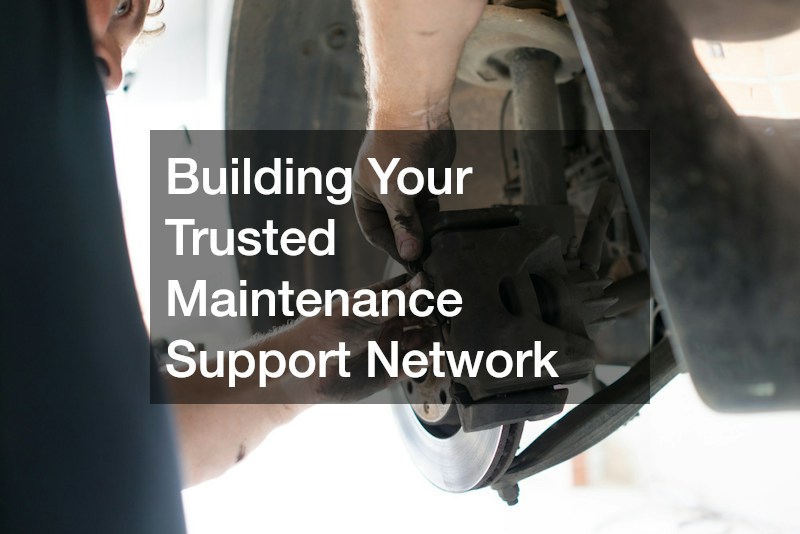
Even the most diligent DIY car owner eventually runs into jobs that require a hydraulic lift, specialized diagnostic software, or a second set of experienced eyes. Once your factory warranty expires, the quality of the people wrenching on your car becomes one of the biggest predictors of how smoothly your vehicle crosses 150,000 and 200,000 miles.
Establish a Relationship with an Independent Specialist Before an Emergency
Waiting until your car refuses to start on a rainy Monday morning or arrives at a shop on the back of a flatbed tow truck puts you at a massive disadvantage. Under pressure, you are forced to approve whatever estimate is placed in front of you without time to compare options or verify credentials.
Instead, seek out and build a relationship with an honest, ASE-certified local auto mechanic while your car is still running well. Look for an independent shop that specializes in your vehicle’s make or region (such as Japanese, European, or domestic specialists) and offers digital vehicle inspections complete with photos and measurements of worn components. When a technician sees your car regularly for oil changes and tire rotations, they learn its history, spot slow leaks months before they become critical, and help you separate urgent safety items from “keep an eye on it” repairs.
Keep a Glovebox Logbook and Budget a Monthly Maintenance Fund
The psychological reason many drivers abandon high-mileage cars isn’t actually the total cost of ownership—it’s the shock of unexpected repair bills. When a $900 alternator and battery replacement hits out of nowhere, it feels like your car is “falling apart,” even if you haven’t spent a dime on repairs in the previous fourteen months.
- Create a dedicated car-care sinking fund: Transfer $75 to $100 every month into a separate high-yield savings account earmarked strictly for vehicle upkeep. By the time your car needs routine local auto repairs—such as a wheel bearing, starter motor, or radiator—the cash is already sitting there waiting, turning a stressful emergency into a predictable, paid-in-full expense.
- Track dates, mileage, and part brands: Keep a simple spiral notebook or spreadsheet tracking every fluid change, belt swap, and battery installation. Knowing at a glance that your battery is four years old or your spark plugs have 65,000 miles on them prevents unnecessary duplicate work and keeps you firmly in control of your maintenance timeline.
Preserving Exterior Paint, Rust Resistance, and Cabin Electronics
Mechanical longevity only tells half the story of a truly great high-mileage daily driver. If the clear coat is peeling off the hood, rust is bubbling along the rear wheel arches, or the power windows and key fobs stop working reliably, you will fall out of love with your car long before the engine gives up.
Ditch Harsh Bristle Tunnels to Prevent Clear-Coat Failure
Modern automotive paint systems rely on a thin, UV-blocking clear coat sprayed over a water-based color coat. After eight to ten years of harsh sunlight, bird droppings, and road grime, that clear coat grows thinner and more vulnerable to micro-scratching.
Automated tunnel car washes with spinning nylon or felt brushes act like coarse sandpaper—trapping grit from the muddy pickup truck ahead of you and slapping it repeatedly across your hood and doors. To preserve factory shine past 100,000 miles, stick to touchless wash bays or reputable hand wash car stations that use clean microfiber mitts and the two-bucket wash method. Twice a year—once in the spring and once in the late fall—apply a quality synthetic paint sealant or ceramic spray coating to block UV oxidation. If you live where roads are salted in winter, make sure to thoroughly flush the undercarriage, suspension subframes, and inner fender lips every couple of weeks to stop structural corrosion before it starts.
Test Your Alternator, Battery, and Aging Key Fobs
High-mileage vehicles packed with modern infotainment screens, blind-spot radar, and fuel-injection computers are remarkably sensitive to voltage fluctuations. A weak battery or a tired alternator with worn internal brushes can trigger a cascade of phantom dashboard warning lights and erratic transmission shifting.
- Load-test your battery every autumn: Most car batteries last three to five years. Have an auto parts store or technician run a free conductance and load test before winter cold arrives, and scrub away any white or blue corrosion on the battery terminals with a wire brush and baking soda solution.
- Prepare backups for aging electronics: Smart proximity fobs take thousands of drops and button presses over 100,000 miles. Replace fob coin-cell batteries every two years, and if you only have one working key, order and program spare replacement car keys right away. Programming a second key while you still have a working master fob usually costs a fraction of what an emergency locksmith charges when every key is lost or broken.
Protecting Your High-Mileage Vehicle’s Value and Legal Standing
Once your daily driver crosses 100,000 miles, its book value on paper drops—even if you have just invested thousands of dollars in fresh tires, brakes, and timing components to make it mechanically pristine. Understanding how to document your vehicle’s true condition protects your financial investment both when you eventually sell it and if the unexpected happens on the road.
Know How to Protect Yourself If Another Driver Hits Your High-Mileage Car
One of the greatest frustrations of owning a meticulously maintained high-mileage vehicle occurs when another driver runs a red light or rear-ends you in traffic. Because insurance companies rely heavily on automated valuation algorithms that penalize high odometer readings, adjusters frequently try to declare older, well-kept cars a “total loss” and offer a lowball settlement that wouldn’t come close to buying a comparable, reliable replacement.
If you are involved in a collision that wasn’t your fault, pull out your binder of recent maintenance receipts, tire invoices, and photos showing your car’s clean condition to challenge an unfair valuation. And if you suffer injuries, face disputed liability, or hit a wall with an uncooperative insurance carrier, consult experienced car accident attorneys who can help protect your rights, account for medical expenses and lost wages, and push for fair compensation reflecting what your vehicle was actually worth.
Best of all, every mile you log beyond that six-figure milestone represents real financial freedom—money saved from depreciation, interest payments, and sky-high insurance rates that you can put toward things that matter far more than a monthly car note. Take an hour this weekend to check your odometer, flip through your glovebox service records, and tackle the single overdue maintenance item you have been putting off. Your daily driver—and your bank account—will thank you for years to come.