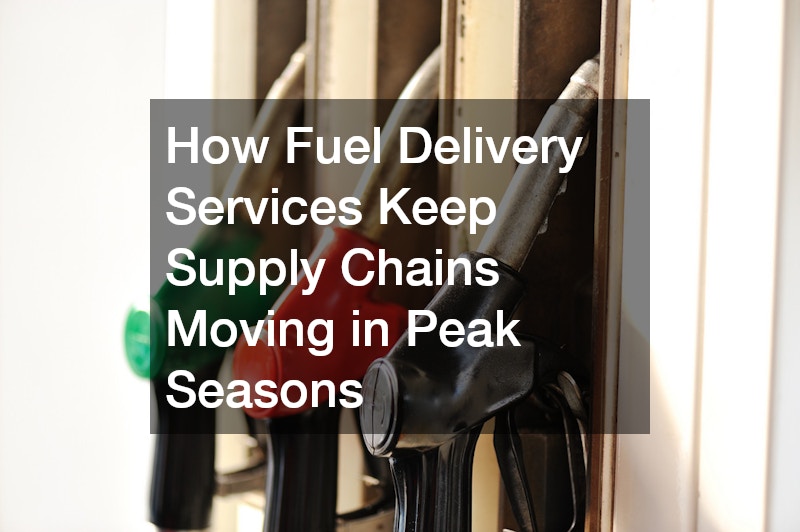
In today’s fast-paced global economy, the efficiency of supply chains is crucial to meet the ever-growing demands during peak seasons. With a burgeoning need for timely deliveries and consistent product availability, logistics companies face the challenge of optimizing their operations. A pivotal component that supports this complex puzzle is the role of fuel delivery services, acting as an enabler of seamless transportation and logistics.
Fuel delivery services are integral, particularly in times of intensified demand, ensuring that fleets remain operational without interruptions. The reliance on these services becomes more pronounced during festive seasons, sales peaks, and unexpected market surges.
As companies strive to maintain punctuality and reliability, understanding the dynamics of these services offers insights into their indispensability.
This article delves into how fuel delivery services underpin supply chains during peak seasons, highlighting their contribution to continuity and efficiency. By addressing challenges and exploring solutions, we provide a comprehensive overview of how these unsung heroes support logistics and the broader economy.
The Role of Fuel Delivery Services in Supply Chain Dynamics
Fuel delivery services form the backbone of operational efficiency for any logistical framework, especially during demanding periods. These services ensure that transportation fleets are always fueled and ready, allowing for uninterrupted supply chain processes. With the transportation industry serving as the linchpin of supply chain dynamics, consistent fuel supply becomes non-negotiable.
Demand peaks during the holiday season or major sales events can strain logistics systems, making timely fuel delivery crucial. Companies can’t afford delays caused by fuel shortages; thus, they heavily invest in reliable fuel partnerships. This strategic reliance on fuel delivery services ensures that even when consumer demand is unpredictable, supply chains remain consistent.
Advancements in technology have further streamlined how fuel delivery services operate, offering real-time monitoring and efficiency. Through these innovations, logistics companies can better plan routes, manage fuel consumption, and optimize delivery schedules. As companies strive to reduce carbon footprints and enhance sustainability, operational efficiency through fuel management becomes a key driver.
The Challenges Fuel Delivery Services Face During Peak Seasons
Despite their critical role, fuel delivery services encounter numerous challenges during peak times. One major issue is the increased traffic congestion that often accompanies holiday seasons and large-scale product launches. This congestion can delay fuel deliveries, impacting the entire logistics chain.
Additionally, unpredictable weather conditions can exacerbate the situation, complicating the delivery schedules and forcing companies to recalibrate their logistics plans. Fuel delivery services must be flexible and adaptive in their operations to mitigate these risks. The need for contingency planning becomes apparent, emphasizing the importance of having backup strategies to navigate such obstacles.
Another challenge is the escalating fuel prices during high-demand periods, affecting budget allocations for transport firms. Companies must find a balance between managing operational costs and ensuring uninterrupted fuel supply. This often involves negotiating contracts with fuel providers to secure better deals or explore alternative fuels that might offer cost efficiencies.
The Innovative Strategies Implemented by Fuel Delivery Services
Fuel delivery services have adopted a range of innovative strategies to overcome peak season challenges and enhance supply chain reliability. Real-time fuel management systems are at the forefront, providing logistics companies with insights into fuel consumption and aiding in proactive planning. These systems allow fleet managers to predict fuel needs accurately and ensure timely deliveries.
Another strategy is the utilization of IoT and AI technologies. By integrating these technologies, fuel delivery services can optimize routing and improve delivery precision, effectively reducing lead times. IoT sensors in fuel tanks signal when refueling is necessary, preventing shortages and allowing for seamless operations during peak times.
Collaborative partnerships between logistics firms and fuel providers have also emerged as viable strategies. By working closely together, they can align their objectives, streamline operations, and share valuable data for improved forecasting. These partnerships make it possible to respond swiftly to market fluctuations and maintain consistent fuel supply even during the most demanding seasons.
The future of logistics will increasingly depend on the capacity of fuel delivery services to meet these shifting demands while also contributing to overall sustainability efforts. As companies continue to seek more environmentally friendly and cost-efficient operations, the role of these services will evolve to include renewable energy sources and smarter fuel management practices.
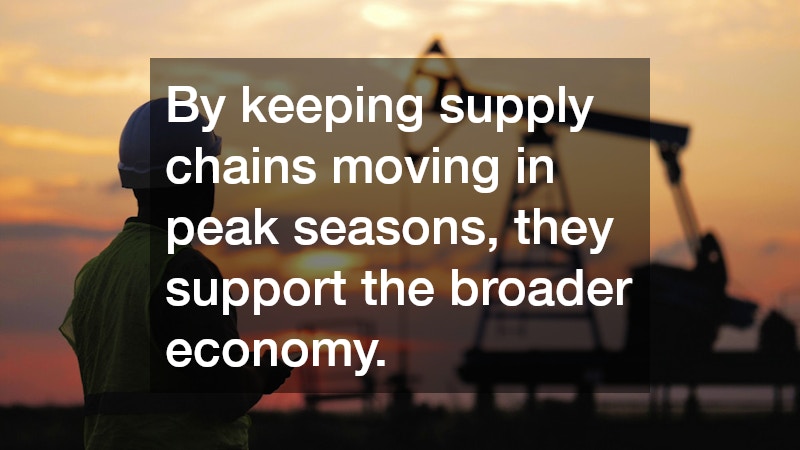
Understanding the vital part that fuel delivery services play in the supply chain provides valuable lessons for any industry dependent on efficient and reliable transportation networks. By keeping supply chains moving in peak seasons, they support the broader economy and contribute significantly to consumer satisfaction.