Key Takeaways
- Set a realistic budget by considering not only the purchase price but also insurance, fuel, maintenance, registration, and repair costs.
- Research vehicle reliability, safety ratings, and long-term ownership expenses before making a final decision.
- Compare financing options from banks, credit unions, and dealerships to secure the best loan terms and interest rates.
- Always inspect used vehicles carefully and review vehicle history reports to avoid hidden mechanical or accident-related issues.
- Test drive multiple vehicles to evaluate comfort, handling, visibility, and overall driving experience before buying.
- Prioritize practical features such as fuel efficiency, safety technology, and cargo space based on your lifestyle and daily needs.
- Stay patient during negotiations and avoid rushing into purchases driven by pressure, excitement, or limited-time offers.
Buying your first car is a major milestone. It represents independence, convenience, and new opportunities, but it can also feel overwhelming when faced with endless choices, financing options, paperwork, and technical details. Many first-time buyers enter the process excited yet unprepared, which can lead to overspending, buyer’s remorse, or purchasing a vehicle that does not truly fit their needs.
A car is more than just transportation. It is a long-term financial commitment that affects your daily routine, monthly budget, insurance costs, and maintenance responsibilities. Whether you plan to buy a brand-new vehicle or a reliable used car, understanding the buying process can help you make smarter decisions and avoid common mistakes.
First-time buyers often focus heavily on appearance or price while overlooking other important factors such as reliability, fuel efficiency, safety features, maintenance expenses, and resale value. Taking time to research and prepare before making a purchase can save thousands of dollars and reduce stress in the future.
This guide explains everything first-time buyers should know before purchasing a vehicle. From setting a realistic budget and comparing models to understanding financing and inspecting a car properly, these tips will help you navigate the process confidently and make a purchase you will feel good about for years to come.
Why Buying Your First Car Requires Careful Planning
A car purchase is one of the largest financial decisions many people make early in adulthood. Unlike smaller purchases, vehicles come with ongoing expenses that continue long after the initial payment.
These costs may include:
- Fuel
- Insurance
- Registration fees
- Repairs
- Routine maintenance
- Parking
- Loan interest
Without proper planning, a car that initially seems affordable can quickly become financially draining.
Careful planning also helps buyers identify what they truly need in a vehicle. Someone commuting daily may prioritize fuel efficiency and reliability, while a growing family may need additional seating and cargo space. Understanding your lifestyle before shopping can narrow your options and prevent impulse decisions.
Determine Your Budget Before Shopping
One of the most important steps when buying your first car is establishing a realistic budget. Many buyers focus solely on the monthly payment rather than the total ownership cost, which can lead to financial strain later.
Consider the Full Cost of Ownership
The sticker price is only part of the expense. Additional costs include taxes, dealership fees, insurance, fuel, and maintenance.
Ask yourself:
- How much can you comfortably afford monthly?
- How much will insurance cost for your age group?
- Can you handle unexpected repair expenses?
- How fuel-efficient is the vehicle?
A good rule is to avoid spending so much on a vehicle that it interferes with essential living expenses or savings goals.
Save for a Down Payment
A larger down payment can reduce monthly payments and lower interest costs. It may also improve loan approval chances.
Benefits of a substantial down payment include:
- Lower monthly loan obligations
- Reduced total interest paid
- Better loan terms
- Less risk of owing more than the car’s value
Even setting aside a modest amount can make a noticeable difference over the life of the loan.
Should You Buy New or Used?
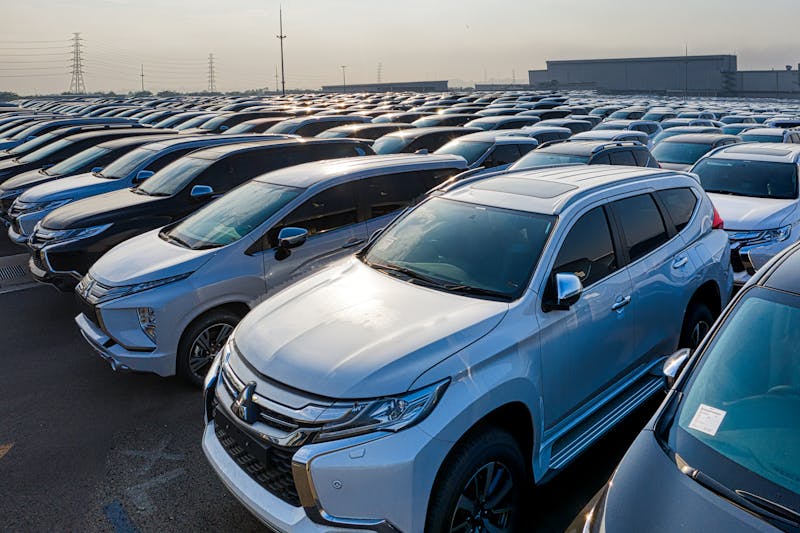
First-time buyers often debate whether to purchase a new or used vehicle. Both options offer advantages and disadvantages depending on your budget and priorities.
Advantages of Buying a New Car
New vehicles typically include:
- Manufacturer warranties
- Latest safety technologies
- Better fuel efficiency
- Fewer immediate repair concerns
- Updated infotainment systems
However, new cars usually cost more and lose value rapidly during the first few years of ownership.
Advantages of Buying a Used Car
Used vehicles are often more affordable and may offer better value overall.
Benefits may include:
- Lower purchase price
- Reduced depreciation
- Lower insurance premiums
- More affordable registration fees
Still, used vehicles may come with hidden issues if not inspected carefully. Research and vehicle inspections are especially important when purchasing pre-owned cars.
Understand Your Transportation Needs
Before comparing vehicles, think carefully about how you will use the car daily.
Questions to Ask Yourself
Consider the following:
- How far is your daily commute?
- Will you drive mostly in the city or on highways?
- Do you need extra cargo space?
- How many passengers will regularly ride with you?
- Will weather conditions affect your driving needs?
Your answers can help determine whether a compact sedan, SUV, truck, or hybrid vehicle is the best fit.
Avoid Buying Based Only on Appearance
It is easy to become emotionally attached to stylish vehicles, but appearance alone should not guide your decision.
A practical vehicle that fits your budget and lifestyle will often provide greater long-term satisfaction than a flashy model with expensive upkeep.
Research Reliability and Maintenance History
Reliability should be a top priority for first-time buyers. A cheaper vehicle with constant repair issues may cost far more over time than a slightly more expensive but dependable option.
Look Into Reliability Ratings
Research trusted automotive sources that evaluate long-term reliability and owner satisfaction.
Pay attention to:
- Common repair problems
- Maintenance frequency
- Average repair costs
- Safety recalls
- Warranty coverage
Reading owner reviews can also provide insight into real-world experiences with specific models.
Learn About Long-Term Maintenance Costs
Different brands and models have varying maintenance expenses. Luxury vehicles may require specialized parts and services that cost significantly more than standard vehicles.
Understanding how to keep your car running smoothly begins with selecting a model known for durability and manageable maintenance costs.
Why Vehicle History Reports Matter
When purchasing a used car, a vehicle history report can reveal critical information about the car’s past.
Important Details Included in Reports
Vehicle history reports may show:
- Previous accidents
- Flood damage
- Odometer inconsistencies
- Title issues
- Ownership history
- Service records
A clean history report does not guarantee perfection, but it can help buyers avoid serious hidden problems.
Don’t Skip Independent Inspections
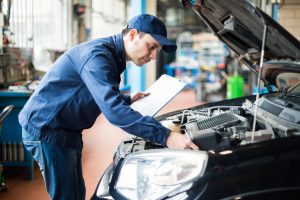
Even if a vehicle looks excellent, always consider having it inspected by a trusted mechanic before finalizing the purchase.
An inspection can uncover:
- Engine issues
- Transmission problems
- Brake wear
- Suspension damage
- Leaks or rust
Paying for an inspection upfront may prevent expensive repairs later.
How Financing Works for First-Time Buyers
Many first-time buyers finance their vehicles through loans. Understanding the basics of financing can help you secure better terms and avoid costly mistakes.
Know Your Credit Score
Your credit score significantly affects loan approval and interest rates.
A stronger credit score may provide:
- Lower interest rates
- Better loan terms
- Lower monthly payments
If possible, review your credit before applying for financing and address any inaccuracies.
Compare Multiple Financing Options
Do not automatically accept dealership financing without comparison.
Potential financing sources include:
- Banks
- Credit unions
- Online lenders
- Dealership financing programs
Comparing rates from multiple lenders can help you find the most affordable option.
Focus on Total Cost, Not Just Monthly Payment
Some dealerships extend loan terms to lower monthly payments while increasing overall interest costs.
Always examine:
- Total loan amount
- Interest rate
- Loan length
- Total repayment cost
A lower monthly payment does not necessarily mean a better financial deal.
What Features Should First-Time Buyers Prioritize?
Modern vehicles come with countless features, but not all are necessary for every driver.
Important Safety Features
Safety should remain a priority, especially for newer drivers.
Helpful safety technologies may include:
- Automatic emergency braking
- Blind-spot monitoring
- Lane departure warnings
- Backup cameras
- Adaptive cruise control
- Anti-lock braking systems
Vehicles with strong crash-test ratings can provide added peace of mind.
Fuel Efficiency Can Save Money
Fuel costs add up quickly, particularly for commuters.
Choosing a fuel-efficient vehicle can reduce long-term expenses and make ownership more manageable for first-time buyers.
Hybrid and compact vehicles may offer significant fuel savings over time.
Technology and Comfort Features
While luxury features are appealing, focus first on functionality and practicality.
Useful features may include:
- Bluetooth connectivity
- Smartphone integration
- Adjustable seating
- Climate control
- USB charging ports
Balancing comfort with affordability helps prevent overspending.
Why Test Drives are Essential
A test drive provides more than a quick look at a vehicle. It helps determine whether the car feels comfortable, safe, and practical in real-world conditions.
What to Pay Attention to During a Test Drive
While driving, evaluate:
- Seat comfort
- Visibility
- Steering responsiveness
- Brake performance
- Cabin noise
- Acceleration
- Suspension smoothness
Drive in different conditions whenever possible, including city streets and highways.
Test Multiple Vehicles
Do not rush into purchasing the first car you drive. Comparing several models can clarify which option best suits your needs and preferences.
Sometimes buyers discover that a vehicle they originally overlooked offers better comfort, performance, or value.
How to Negotiate Without Feeling Intimidated
Negotiation can feel uncomfortable for first-time buyers, but preparation makes the process easier.
Research Market Prices Ahead of Time
Know the average value of the vehicle before visiting a dealership or meeting a private seller.
Research can help you determine:
- Fair market pricing
- Average dealership markups
- Common incentives
- Regional price differences
This information strengthens your negotiating position.
Stay Focused on the Total Price
Dealerships may emphasize monthly payments rather than the full purchase amount.
Always negotiate:
- Purchase price
- Trade-in value
- Financing terms
- Fees and add-ons
Avoid unnecessary extras that increase the final cost.
Be Willing to Walk Away
One of the strongest negotiation tools is patience.
If the deal feels rushed or unfair, walking away may lead to better opportunities elsewhere. Buyers who remain calm and flexible often secure better terms.
Understanding Insurance Before You Buy
Insurance costs vary significantly depending on the type of vehicle and the driver’s profile.
Factors That Affect Insurance Rates
Insurance companies may consider:
- Driver age
- Driving history
- Vehicle type
- Location
- Safety ratings
- Theft rates
Sports cars and luxury vehicles often come with higher premiums.
Get Insurance Quotes Early
Before purchasing a vehicle, request insurance estimates for the models you are considering.
A car that seems affordable upfront may carry unexpectedly high insurance costs, affecting your overall budget.
Common Mistakes First-Time Buyers Should Avoid
Buying your first car can be exciting, but emotional decisions sometimes lead to costly errors.
Skipping Research
Failing to research vehicle reliability, pricing, and ownership costs can result in poor purchasing decisions.
Knowledge helps buyers avoid overpaying or purchasing unreliable vehicles.
Ignoring Maintenance Costs
Some buyers focus entirely on the purchase price while overlooking repair and maintenance expenses.
Routine care, tire replacements, oil changes, and unexpected repairs all contribute to ownership costs.
Buying More Car Than You Need
Luxury upgrades and oversized vehicles may seem appealing, but they can increase fuel, insurance, and maintenance expenses unnecessarily.
Choosing a practical vehicle often leads to better financial stability.
Overlooking Fuel Economy
Fuel-efficient vehicles can save substantial money over time, especially for drivers with long commutes.
Even modest differences in fuel economy become significant over several years of ownership.
Why Ownership Responsibilities Continue After Purchase
Buying a car is only the beginning. Responsible ownership requires ongoing care and attention.
Follow Routine Maintenance Schedules
Regular maintenance helps preserve reliability and prevent larger repair problems.
Essential maintenance tasks include:
- Oil changes
- Tire rotations
- Brake inspections
- Fluid replacements
- Battery checks
- Air filter replacements
Ignoring maintenance can shorten vehicle lifespan and reduce resale value.
Keep Records Organized
Maintaining records of services, repairs, and inspections can help with resale value and warranty claims.
Good documentation also makes it easier to track recurring issues and maintenance schedules.
Developing Safe Driving Practices Early

First-time car ownership comes with the responsibility of becoming a safe and attentive driver.
Practicing responsible driving habits can help reduce accident risks, improve fuel efficiency, and lower long-term vehicle wear.
Important Habits to Build
Safe driving practices include:
- Avoiding distracted driving
- Following speed limits
- Maintaining safe following distances
- Using turn signals consistently
- Staying alert during poor weather conditions
Good driving behavior protects not only the driver but also passengers and others on the road.
Defensive Driving Makes a Difference
Defensive driving involves anticipating potential hazards and reacting calmly to unexpected situations.
This approach may help reduce:
- Collision risks
- Insurance claims
- Repair expenses
- Traffic violations
Building strong driving skills early creates safer long-term habits.
What Documents Should You Review Carefully?
Vehicle purchases involve multiple documents that buyers should review thoroughly before signing.
Key Documents to Understand
Pay close attention to:
- Purchase agreements
- Loan contracts
- Warranty details
- Title information
- Return policies
- Service agreements
Never feel pressured to sign documents without reading them completely.
Ask Questions When Necessary
If something feels unclear, ask for clarification.
Understanding every part of the agreement can prevent misunderstandings regarding fees, financing obligations, or warranty coverage.
Should You Buy From a Dealership or Private Seller?
Both dealerships and private sellers offer unique advantages.
Benefits of Dealership Purchases
Dealerships may provide:
- Financing assistance
- Certified pre-owned programs
- Warranty options
- Vehicle inspections
- Trade-in opportunities
However, dealership prices may sometimes be higher than private sales.
Benefits of Private Sellers
Private sellers may offer lower prices and more flexibility during negotiations.
Still, buyers should exercise caution and verify ownership documentation, vehicle history, and condition carefully.
Understanding Depreciation and Resale Value
Depreciation refers to how much a vehicle loses value over time.
Why Resale Value Matters
Some vehicles retain value better than others due to reliability, demand, and reputation.
A vehicle with strong resale value may:
- Reduce long-term ownership costs
- Provide better trade-in opportunities
- Improve future financial flexibility
Researching depreciation trends before buying can help buyers make smarter investments.
Mileage and Condition Affect Value
Keeping mileage manageable and maintaining the vehicle properly can improve resale potential later.
Clean interiors, documented maintenance, and accident-free histories often increase buyer interest.
How Seasonal Timing Can Affect Car Prices
Vehicle prices may fluctuate throughout the year.
Times When Buyers May Find Better Deals
Dealerships sometimes offer discounts:
- At the end of the month
- During holiday sales events
- At the end of the model year
- During inventory clearance periods
Shopping strategically can help buyers save money.
Don’t Rush the Process
Patience often leads to better deals and smarter decisions.
Avoid making rushed purchases based solely on pressure, excitement, or limited-time promotions.
Preparing for Emergency Situations
Every car owner should prepare for unexpected roadside situations.
Items to Keep in Your Vehicle
Helpful emergency supplies may include:
- Spare tire
- Tire jack
- Jumper cables
- Flashlight
- First-aid kit
- Portable phone charger
- Emergency contact information
Preparedness improves safety and reduces stress during emergencies.
Learn Basic Vehicle Knowledge
Understanding simple vehicle basics can help first-time owners feel more confident.
Helpful skills include:
- Checking tire pressure
- Monitoring oil levels
- Recognizing dashboard warning lights
- Refilling windshield washer fluid
Small amounts of knowledge can prevent larger problems.
The Importance of Patience During the Buying Process
Many first-time buyers feel pressure to purchase quickly, especially when transportation is urgently needed. However, patience often leads to better outcomes.
Taking time to compare vehicles, financing options, insurance costs, and ownership expenses can help buyers avoid regret later.
A thoughtful purchase process allows you to:
- Evaluate multiple options carefully
- Research long-term reliability
- Negotiate more effectively
- Identify hidden costs
- Make financially responsible decisions
The more informed you are, the more confident you will feel during negotiations and final decision-making.
Conclusion
Buying your first car is both exciting and challenging. With so many choices, financing options, and ownership responsibilities involved, it is easy to feel overwhelmed at first. However, careful planning and informed decision-making can make the process far smoother and more rewarding.
Understanding your budget, researching vehicle reliability, comparing financing options, reviewing insurance costs, and conducting thorough inspections all play critical roles in making a smart purchase. Choosing a vehicle that fits your lifestyle and long-term financial goals is far more important than chasing trends or appearances.
First-time buyers who take time to learn about ownership responsibilities, maintenance needs, and safe driving practices are more likely to enjoy dependable transportation and fewer financial surprises. A well-chosen vehicle can provide years of convenience, reliability, and confidence on the road.
Approach the buying process patiently, ask questions whenever necessary, and avoid rushing into decisions. With preparation and the right mindset, your first car purchase can become a positive investment that supports your daily life and future goals for many years to come.