Restoring a vehicle is one of the most rewarding journeys a car enthusiast can undertake. It is a process that combines mechanical engineering, historical preservation, and artistic expression. Unlike purchasing a new vehicle off the showroom floor, restoring a car offers a deep sense of ownership that only comes from knowing every bolt, wire, and panel of the machine. It transforms a mere mode of transportation into a personal statement and a tangible asset.
However, the path from a dusty barn find to a gleaming show car is fraught with potential pitfalls. Many enthusiasts dive in with high hopes only to find themselves overwhelmed by unexpected costs, technical hurdles, and logistical nightmares. A successful restoration requires more than just passion; it demands a rigorous strategy, a realistic budget, and a considerable amount of patience. Whether you are looking to flip a vehicle for profit or build a legacy car to pass down to your children, the principles remain the same: buy the right base, plan the work meticulously, and execute with precision.
This guide is designed to serve as your roadmap. We will move beyond the romanticized view of restoration often seen on television and delve into the gritty reality of the process. We will cover how to identify a worthy candidate, how to manage the logistics of moving and storing a non-running vehicle, and how to tackle the heavy lifting of mechanical and cosmetic repairs. By following these steps, you can mitigate risks and ensure that your project crosses the finish line, ready for the open road.
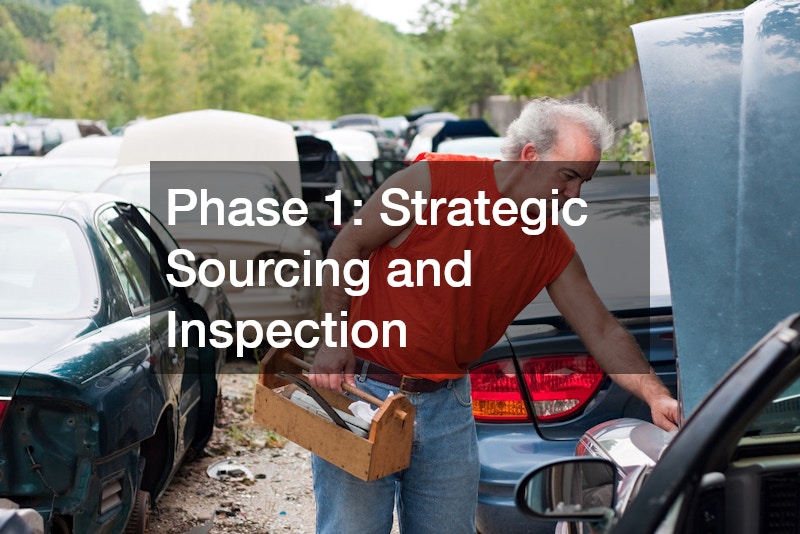
Phase 1: Strategic Sourcing and Inspection
The most critical moment in any restoration project happens before you even pick up a wrench. It happens when you hand over the cash. Buying the wrong vehicle is the number one reason projects fail or stall indefinitely. If you start with a car that is too far gone or one that lacks a supportive aftermarket community, you may find yourself pouring money into a black hole.
Evaluating Potential Candidates with a Critical Eye
Before you start scrolling through classifieds, you must define your goal. Are you looking for a daily driver that needs a little love, or are you looking for a ground-up restoration of a rare classic? This distinction will dictate your budget and the condition of the vehicle you should look for. Once you have identified a potential candidate, you need to perform a triage.
The “15-Minute Walkaround” is your first line of defense. When you arrive to see the vehicle, do not be blinded by the excitement of the purchase. Start with the body. You are looking for more than just dents; you are looking for the cancer of the automotive world: rust. Surface rust is manageable, but structural rot in the frame rails, rocker panels, or floorboards can immediately triple your restoration costs. Bring a magnet and a flashlight. Use the magnet to check for body filler (Bondo) on the lower fenders and quarter panels. If the magnet doesn’t stick, you aren’t looking at metal; you are looking at a previous, likely cheap, repair job.
Check the fluids next. Pull the oil dipstick and look at the color. If the oil looks like a chocolate milkshake, it indicates coolant has mixed with the oil, suggesting a blown head gasket or a cracked block. Open the radiator cap (only if the engine is cold) and look for oil floating on top of the coolant. These are major red flags that you are buying a project with significant engine issues.
When to Call in a Professional Opinion
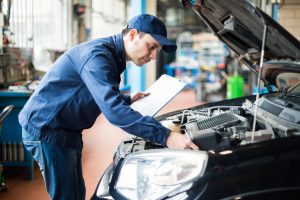
Unless you are a seasoned expert with decades of experience, your eyes will miss things. This is where the Pre-Purchase Inspection (PPI) becomes your most valuable tool. A PPI involves hiring a third party to inspect the car on a lift. They can spot frame damage from old accidents that were never reported, leaking differentials, and worn suspension bushings that are invisible from a curbside inspection.
The history of the vehicle is just as important as its current physical state. Use the Vehicle Identification Number (VIN) to pull a history report. This can tell you if the odometer has been rolled back, if the title is branded “salvage” or “flood,” and how many previous owners the car has had. A used car with a documented history of regular maintenance is always a safer bet than one with a blank past.
Finally, do not be afraid to bring a friend who knows more than you do. If you don’t have a knowledgeable friend, hire a local mechanic to accompany you. They can perform compression tests to check the health of the engine cylinders and listen for specific noises that indicate timing chain wear or rod knock. Their objective opinion can save you from making an emotional decision that you will regret later for your bank account.
Phase 2: Logistics and Creating a Repair Roadmap
Once you have purchased the vehicle, the reality of logistics sets in. If the car is a “barn find” or has been sitting for several years, you cannot simply jump in and drive it home. Doing so can cause catastrophic damage to the drivetrain and brakes, or worse, put you in a dangerous situation on the highway.
Safely Transporting Non-Running Vehicles
Transporting a project car requires careful planning. If the vehicle has been sitting, the tires are likely dry-rotted and unsafe for highway speeds, even if they hold air. The brakes may be seized, or the fluid lines might be rusted through, meaning you will have zero stopping power. In these scenarios, driving the car is not an option.
You have two main choices for transport: a trailer or a professional service. If you have a truck and access to a trailer, you can move it yourself, but ensure you have a winch to pull the car up if it doesn’t run. Never use a tow dolly for a car that has been sitting for a long time, as the rear wheel bearings may not be up to the task of spinning at 60 mph.
For most people, the safest option is to hire a professional service. When you arrange auto towing, request a flatbed truck specifically. A flatbed ensures that all four wheels are off the ground, preventing any stress on the suspension or driveline during transit. This is particularly important for all-wheel-drive vehicles or cars with low clearance. It also mitigates the risk of parts falling off the car during the drive.
Triage and Prioritizing the Workflow
Once the car is safely in your garage, resist the urge to tear everything apart at once. A car disassembled into a thousand pieces is a car that rarely gets finished. Instead, create a “Repair Roadmap.” Categorize every issue you found during the inspection into three tiers:
- Safety and Drivability: Brakes, fuel lines, tires, suspension, and steering.
- Reliability and Mechanical: Engine health, transmission shifting, cooling system, and electrical charging.
- Cosmetic and Comfort: Paint, interior upholstery, radio, and air conditioning.
Focus entirely on Tier 1 first. You want to get the car to a point where it can move under its own power and stop safely. This provides small “wins” that keep you motivated.
This is also the time to decide what you will DIY and what you will outsource. Be honest about your skill level. You might be comfortable changing an alternator, but are you equipped to rebuild a transmission? Identifying complex tasks early allows you to budget for specialized auto repair services. There is no shame in outsourcing; in fact, realizing that you need a specialist for electrical diagnostics or transmission tuning is a sign of a mature restorer. It prevents you from creating a bigger mess that costs more to fix later.
Phase 3: Reviving the Heart of the Beast
With the logistics handled and a plan in place, it is time to address the mechanical soul of the vehicle: the engine. This is often the most expensive and technically demanding phase of the restoration, but it is also the most critical for the vehicle’s long-term value and usability.
Assessing the Viability of the Powertrain
Your first decision is whether to save the original engine or replace it. In the world of classic cars, “numbers matching” (where the engine VIN matches the chassis VIN) adds significant value. If you are restoring a rare vehicle, you should go to great lengths to rebuild the original block. However, if the original engine is missing, damaged beyond repair, or simply anemic by modern standards, you face a crossroads.
If the engine block is cracked, warped, or has thrown a rod through the side, repairs may be impossible or economically unfeasible. In this case, you must look into auto engine replacements. This could mean sourcing a remanufactured crate engine that comes with a warranty, or pulling a compatible unit from a salvage yard. Engine swaps can also offer an opportunity to upgrade. Many restorers choose to install a modern engine into a classic chassis (known as a “restomod”) to gain fuel injection, better reliability, and higher horsepower.
If you choose to rebuild the existing engine, you must strip it down to the bare block. This involves removing the cylinder head, pistons, and crankshaft. You will need to send the block and head to a machine shop to be cleaned, magnafluxed (checked for cracks), and decked. This is precision work where tolerances are measured in ten-thousandths of an inch.
Selecting the Right Specialist for Complex Jobs
While you can disassemble an engine in your home garage, the reassembly and tuning often require the touch of a professional, especially for high-performance applications. If you are dealing with a complex valve train or require a custom fuel map for a modern engine swap, you need a specialist.
When looking for help, do not just search for a general repair shop. You need an expert who understands the nuances of your specific make and model. A qualified auto mechanic who specializes in vintage muscle cars will have a different skillset than one who specializes in European imports. Interview potential candidates. Ask them about their experience with your specific engine platform. Ask to see examples of their previous builds.
A good specialist will also help you source the right parts. The market is flooded with low-quality aftermarket parts that can fail prematurely. An experienced technician knows which brands to trust for gaskets, bearings, and pistons. They can ensure that the internal components of your engine are robust enough to handle the power you intend to make, ensuring you don’t have to tear the engine open again a few thousand miles down the road.
Phase 4: Restoring Structural Integrity and Visibility
Once the mechanicals are sorted, the focus shifts to the body and glass. This phase is what makes the car look new again. It involves hours of sanding, welding, and careful alignment. It is messy, dusty work, but the visual payoff is immense.
Addressing Body Damage and Corrosion
Rust is the enemy of every restoration project. If you found rust during your inspection, now is the time to cut it out. Do not make the mistake of simply grinding it down and applying filler; rust is like a cancer that will return if not completely excised. You must cut out the infected metal and weld in new patch panels.
If the vehicle has been in a previous accident, you may find that the frame rails are bent or the panel gaps are uneven. No amount of cosmetic work will fix a twisted frame. For this, you need to visit a shop that offers collision repair service. These facilities have frame racks that can hydraulically pull the chassis back into factory specifications. This is crucial not just for aesthetics, but for the safety of the vehicle and the proper alignment of the suspension components.
Once the metal work is done, the car enters the “body and paint” stage. This involves applying primer, block sanding the body to ensure it is perfectly straight, and then applying the base coat and clear coat. Paint requires a clean, dust-free environment, which is why most restorers rent a booth or hire a professional for the final spray.
Ensuring a Clear and Safe View
The glass is often an afterthought, but it plays a massive role in the look and safety of the car. Old windshields are often pitted from years of road debris, which causes glare when driving at night. Rubber seals dry out and shrink over time, leading to wind noise and water leaks that can ruin your new interior.
Replacing the glass is usually a job for the pros. Modern windshields and even some classic ones are structural components of the car, contributing to the rigidity of the roof. Professional auto glass services ensure that the correct adhesives are used and that the glass is bonded properly to the frame. They also have the tools to install the chrome trim without bending it or scratching the fresh paint.
Do not try to save money by reusing old weatherstripping. Always buy a complete rubber kit for the doors, trunk, and windows. Water leaks are the fastest way to ruin a restoration, causing mold in the carpets and rust in the floorboards. Proper sealing ensures the cabin is quiet and dry, making the car much more pleasant to drive.
Phase 5: Final Polish, Protection, and Maintenance
You are in the home stretch. The car runs, the body is straight, and the paint is gleaming. Now it is time to assemble the interior, dial in the performance, and protect your investment. This phase differentiates a “finished” project from a truly refined automobile.
Optimizing Performance for the Long Haul
Before you take your first long drive, you must establish a baseline for maintenance. Even if you have replaced many parts, you should perform a comprehensive auto tune-up. This includes checking the ignition timing, setting the idle mixture, gapping the spark plugs, and replacing all filters.
Double-check every fluid level. Re-torque the lug nuts on the wheels. Check the tire pressure. This is also the time to perform a “nut and bolt check” on the suspension components to ensure nothing has vibrated loose during your initial test drives. A restoration is a major intervention, and parts often need to “settle” and be re-tightened after a few heat cycles.
Protecting the Interior and Enhancing Comfort
The sun is the natural enemy of your car’s interior. UV rays can crack your dashboard, fade your upholstery, and turn your new carpet brittle. To protect the hours of work you have put into the cabin, you should consider window protection.
Modern window films offer significant benefits beyond just privacy. High-quality ceramic films can block up to 99% of UV rays and significantly reduce the heat entering the cabin. This keeps your leather supple and reduces the load on your air conditioning system. When looking for auto tinting services, look for shops that use high-grade films that won’t turn purple or bubble over time. A subtle, high-quality tint can protect the interior without altering the classic look of the vehicle if you choose a lighter shade.
Finally, detail the car. Clay bar the paint to remove any overspray from the shop. Apply a high-quality ceramic coating or wax to protect the fresh, clear coat. Clean the carpets and condition the leather. These final touches are what make the car pop at a show and feel luxurious to drive.
Conclusion
Bringing a car back to life is a monumental task that tests your skills, your wallet, and your resolve. It is a journey of high highs and low lows. There will be moments where you want to sell the project and walk away, and there will be moments of pure elation when the engine fires up for the first time or when you see the finished paint in the sunlight.
The key to success lies in preparation and patience. By buying the right car, planning your logistics, and knowing when to ask for help, you can navigate the complexities of restoration. Remember that the goal is not just to have a finished object, but to enjoy the process of learning and building. When you finally turn the key and pull out of the driveway in a machine that you built with your own hands, every scraped knuckle and late night will be worth it. Drive it, enjoy it, and share the history it represents with the world.