- Checking brake fluid regularly is one of the simplest ways to prevent brake failure and avoid costly repairs.
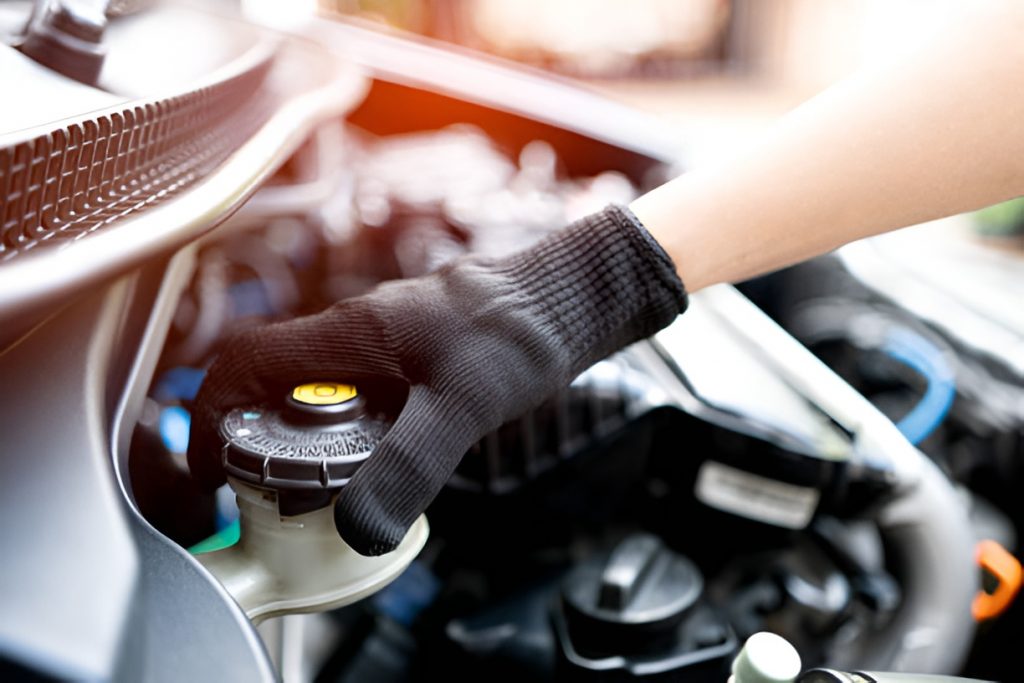
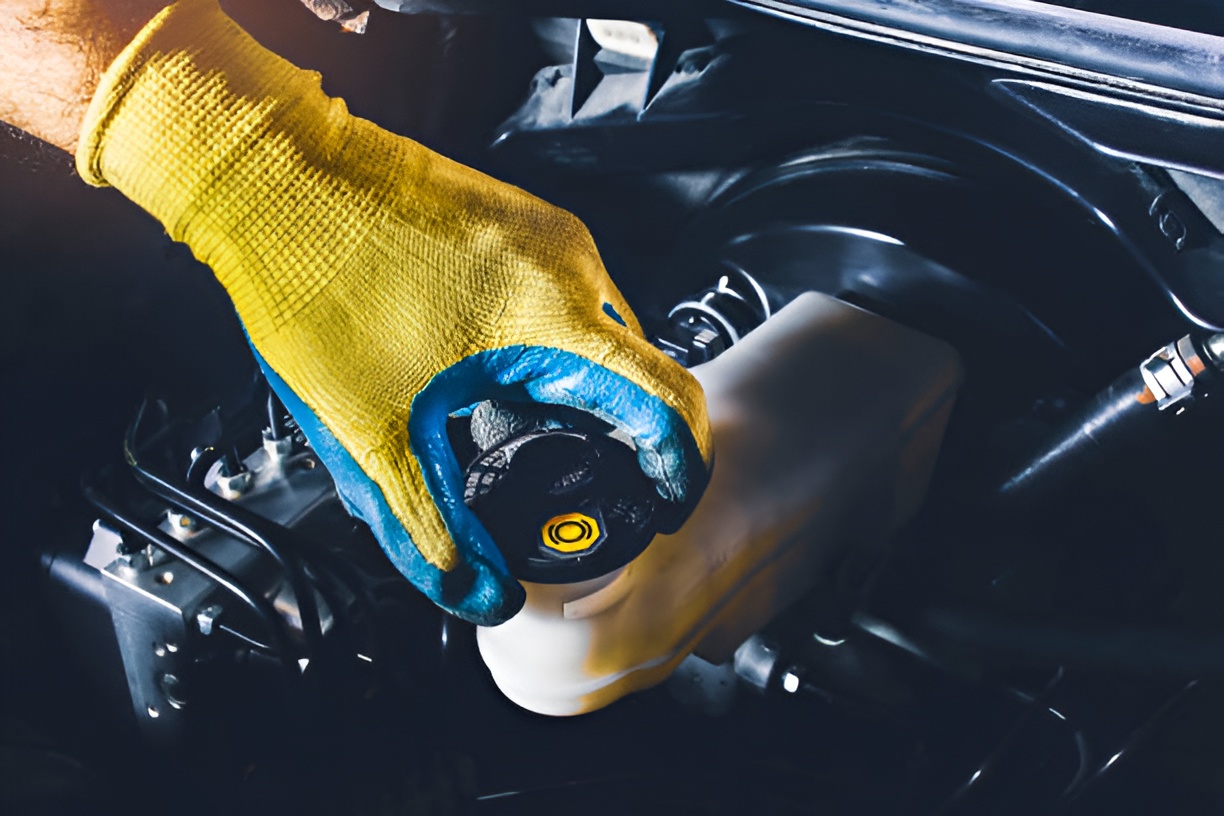
- Always clean the reservoir cap and surrounding area before opening it to prevent dirt or moisture from contaminating the system.
- Fluid should always stay between the MIN and MAX lines—significant drops often indicate a leak or worn brake components.
- Healthy brake fluid is clear to light yellow; dark or cloudy fluid means it has absorbed moisture and needs to be replaced.
- Never mix incompatible brake fluid types, especially glycol-based fluids (DOT 3, DOT 4, DOT 5.1) with silicone-based DOT 5.
- Overfilling or leaving the reservoir cap loose can cause pressure issues, moisture buildup, and internal brake system damage.
- If the fluid level drops quickly, the pedal feels soft, or you see signs of leaks, stop driving and have the brake system inspected immediately.
If you’ve ever wondered how to check brake fluid without messing anything up, you’re not alone. A lot of drivers know that brake fluid is important, but very few actually understand what it does, when it needs checking, or how to inspect it safely. The good news is that checking your brake fluid is one of the simplest DIY car maintenance tasks. You don’t need a mechanic’s toolkit, deep technical knowledge, or hours of free time. You just need the right steps and a few key warnings to avoid damaging your brake system.
This guide walks you through everything: why brake fluid matters, how to check it properly, the mistakes that can ruin your braking system, signs your fluid is going bad, and when to take your car to a pro. By the end, you’ll feel confident enough to pop the hood and handle the job yourself.
Let’s get into it.
What Does Brake Fluid Actually Do?
Before learning how to check brake fluid and avoid damaging your brake system, it helps to understand what the fluid is for. Brake fluid is a hydraulic fluid that transfers the force you apply on the brake pedal to the braking components at your wheels. When you press the pedal, the brake master cylinder pushes fluid through the brake lines. That pressure makes your brake pads clamp onto the rotors, slowing your car.
Brake fluid also absorbs moisture, lubricates certain brake components, and keeps the brake system responsive. Without it, you would lose braking power entirely.
Here are the major things brake fluid does:
- Transfers hydraulic pressure to brakes at the wheels
- Maintains pedal feel and responsiveness
- Helps prevent corrosion inside brake lines
- Keeps the braking system operating smoothly
- Provides lubrication and protects seals
Because brake fluid is so critical, checking it regularly is one of the easiest ways to keep your brake system safe and working properly.
How Do You Know When to Check Your Brake Fluid?
Most car owners only think about brake fluid when there’s a problem. But ideally, you should check it more often. These are the main times you should inspect your fluid:
- During every oil change
- If the brake pedal feels soft, spongy, or sinks too low
- When your brake warning light turns on
- After driving in extreme heat
- Before long road trips
- If you hear grinding or feel vibration while braking
- Any time the brakes feel “off”
Brake fluid isn’t something you should ignore. Even if everything feels fine, checking it every few months helps you catch small issues before they turn into major repairs.
What Type of Brake Fluid Does Your Car Use?
Before you learn how to check brake fluid, you should know the type your car needs. Using the wrong fluid can severely damage your brake system.
Most cars use one of these:
- DOT 3 – common, absorbs moisture quicker, lower boiling point
- DOT 4 – higher boiling point, used in most modern cars
- DOT 5.1 – glycol-based like DOT 3 and 4, but higher performance
- DOT 5 – silicone-based, not compatible with DOT 3, 4, or 5.1
Never mix types unless your owner’s manual specifically says it’s allowed. DOT 5 (silicone-based) should never be mixed with any glycol-based fluid. Doing so can create chemical reactions that damage seals, reduce braking power, and ruin your master cylinder.
Your best source of truth is your owner’s manual, but the reservoir cap usually lists the correct type as well.
Where Is the Brake Fluid Reservoir Located?
In most cars, the brake fluid reservoir is:
- Under the hood
- Mounted on or near the brake master cylinder
- Located on the driver’s side firewall
- Made of translucent plastic so you can see the fluid level from the outside
The reservoir usually has:
- A “MIN” and “MAX” line
- A cap that lists the fluid type
- A filtered opening to reduce contamination
If you’re unsure, look for a small white or yellowish plastic container with a screw-on or snap-on lid.
How to Check Brake Fluid Without Damaging Anything
Here’s the step-by-step process of how to check brake fluid safely. Follow these steps carefully and you’ll avoid the common mistakes that lead to contamination, leaks, or system damage.
Step 1: Park on Level Ground and Let the Engine Cool
Make sure the car is on a flat surface and allow the engine to cool before touching anything under the hood. Heat can affect both the fluid level and internal pressure. Giving the car time to cool also protects you, since brake systems can reach extremely high temperatures during use.
Step 2: Clean Around the Reservoir Cap Thoroughly
This is one of the most important steps. Brake systems are highly sensitive, and even tiny amounts of dirt or moisture can lead to corrosion, reduced braking power, or ABS damage. Before removing the cap, wipe the entire area with a clean, dry cloth. This prevents contaminants from entering the reservoir when it’s opened.
Some vehicles have a dipstick built into the cap. Cleaning the area ensures debris won’t fall in once the cap is loosened.
Step 3: Inspect the Fluid Level
Most reservoirs are made of translucent plastic, so you can check the fluid level by looking at the MIN and MAX markings on the outside. If your reservoir design requires opening the cap, remove it carefully after cleaning the area.
Here’s what the level indicates:
- At MAX – Everything is normal.
- Between MIN and MAX – Acceptable, but keep an eye on it.
- At or below MIN/ADD – This needs attention. Slight drops happen naturally as brake pads wear, but a significant drop often points to a leak.
Brake fluid is not a consumable. If it’s noticeably below the lower mark, treat it as a potential system issue, not a routine top-off situation.
Step 4: Check the Fluid Color and Condition
Healthy brake fluid is clear to lightly yellow. It should look clean and transparent.
If it appears:
- Dark
- Brown
- Cloudy
- Contaminated with particles
Then it has deteriorated or absorbed moisture. Contaminated brake fluid reduces braking performance and lowers its boiling point, which can lead to brake fade during hard stops. Discolored fluid is a strong indicator that the system needs a flush or bleed.
If your vehicle uses a dipstick-style cap, wipe the dipstick with a clean rag, reinsert it, and check what comes back on the stick.
Step 5: Look for Signs of Leaks or Rapid Fluid Loss
While checking the reservoir, also look around the master cylinder and the area beneath the car. Brake fluid levels only drop significantly when there is pad wear or a leak. If the level is below the lower line and you’re not due for new pads, the problem may be a leaking line, caliper, wheel cylinder, or master cylinder.
Brake fluid leaks should be treated as an urgent safety issue.
Step 6: Smell the Fluid (Optional but Useful)
Fresh fluid has a mild, chemical smell. A burnt odor can indicate overheating or contamination. This step isn’t mandatory, but it can reveal hidden issues within the system.
Step 7: Close the Cap Securely
Once you’re done inspecting everything, close the reservoir cap tightly. A loose cap allows moisture to enter, reduces effectiveness over time, and can contribute to internal corrosion. Never fill above the top line—overfilling can damage the system or cause overflow when temperatures rise.
These steps are all you need to check your brake fluid properly while keeping the brake system clean, protected, and free from avoidable damage.
What Should You Never Do When Checking Brake Fluid?
Even though the task is simple, there are several mistakes you should absolutely avoid. These mistakes are the exact reasons why some drivers damage their brake system during what should be a harmless inspection.
Do Not Use Dirty Tools or Cloths
Brake fluid absorbs moisture and contaminants easily. Never use dirty cloths or old rags around the reservoir area.
Do Not Open the Reservoir Unnecessarily
Every time you open the cap, you expose the fluid to moisture in the air. Only open it when you need to check color or add fluid.
Do Not Mix Brake Fluid Types
Mixing DOT 3, DOT 4, and DOT 5.1 fluids is usually okay, but mixing glycol fluids with DOT 5 is not. Always follow the manufacturer’s instructions.
Do Not Overfill the Reservoir
Overfilling can cause pressure buildup and damage seals in the brake system. Always keep the level between the MIN and MAX lines.
Do Not Let Brake Fluid Touch Painted Surfaces
Brake fluid eats paint. If any spills on your car’s exterior, rinse it immediately with water.
Do Not Use Old Brake Fluid
Brake fluid absorbs moisture even inside the bottle. Once opened, brake fluid has a limited shelf life. Do not use fluid from an old container.
Do Not Drive If the Fluid Drops Too Quickly
Rapid drops in fluid level usually mean a brake leak, which is extremely dangerous. Do not attempt to drive the car. Call a mechanic or tow the vehicle.
Why Does Brake Fluid Get Low?
If you’re learning how to check brake fluid because yours looks low, these are the most common reasons:
- Worn brake pads – As pads wear down, calipers sit farther out, requiring more fluid in the lines.
- Brake fluid evaporation – Rare but possible in older systems.
- Leaks – The most dangerous reason.
- Recent brake work – Fluid may have been replaced or flushed.
- Air in the brake lines – Can cause fluid level fluctuations.
If you top up fluid without addressing the underlying issue, you may be masking a more serious problem.
How Often Should You Replace Brake Fluid?
While this article focuses on how to check brake fluid and avoid damaging your brake system, checking and replacing often go hand in hand.
Most manufacturers recommend replacing brake fluid every:
- 2 years or 24,000 miles for DOT 3
- Every 2–3 years for DOT 4
- Every 3 years for DOT 5.1
However, this varies depending on driving habits and climate. Cars in humid regions may need more frequent fluid changes because moisture accelerates contamination.
What Are the Signs Your Brake Fluid Needs to Be Replaced?
Even if the fluid level is fine, you still need to know when it’s time for a flush. These signs mean your fluid is overdue for replacement:
- Soft or spongy brake pedal
- Brake pedal sinks to the floor
- Longer stopping distances
- Overheated brakes
- Dark, cloudy, or dirty fluid
- Brake warning light
- Musty or burnt smell near the wheels
- Squealing or grinding noises when braking
Any of these signs mean it’s time to get your brakes inspected professionally.
Can You Just Top Off the Brake Fluid?
A lot of people assume that topping off brake fluid is enough, but it’s not always the right move. You can top off fluid if:
- The level is just slightly low
- There are no signs of leaks
- The fluid color is still healthy
But you should not top off fluid if:
- The fluid is dark
- You suspect a brake leak
- You recently changed pads but didn’t bleed the brakes
- You have no idea when the fluid was last flushed
Topping off fluid without diagnosing the cause can hide the problem and delay proper repairs.
What Happens If You Ignore Brake Fluid Problems?
Ignoring brake fluid issues can cause:
- Corrosion inside brake lines
- Damaged ABS components
- Reduced braking power
- Total brake failure
- Expensive repairs costing hundreds or thousands of dollars
Because brake systems rely heavily on hydraulic pressure, even small issues can escalate quickly.
Can Brake Fluid Really Damage Your Car?
The irony is that brake fluid itself is both essential and dangerous. It’s dangerous if:
- It gets into your paint (it removes clear coat)
- You spill it on your engine components
- You leave the reservoir cap loose
- You allow moisture contamination
Still, brake fluid doesn’t damage the car as long as you use it correctly. The key is handling it carefully and responsibly.
How to Safely Add Brake Fluid
If you find that you need to add brake fluid, here are the steps:
- Buy the correct fluid type.
- Clean the reservoir top thoroughly.
- Open the cap carefully.
- Pour slowly to avoid overfilling.
- Keep the fluid level between MIN and MAX.
- Reseal the cap tightly.
- Wipe off any spills immediately.
If the fluid drains again soon after adding it, do not keep topping up. Your brakes likely have a leak.
When Should You See a Mechanic?
You should consult a mechanic if:
- The brake fluid level drops repeatedly
- The pedal feels soft or spongy
- The brakes make grinding noises
- Your ABS light is on
- You see fluid leaking under the car
- You’re unsure how to check brake fluid properly
- The reservoir has visible contamination
Mechanics have specialized equipment to test boil points, moisture levels, and fluid integrity.
Can Driving Style Affect Brake Fluid?
Yes. Hard braking creates more heat, which accelerates brake fluid degradation. Driving behaviors that affect fluid include:
- Constant stop-and-go traffic
- Towing heavy loads
- Mountain driving
- Aggressive braking
- Riding the brakes downhill
If you drive in these conditions often, check your fluid more frequently.
How Climate Impacts Brake Fluid Health
Brake fluid absorbs moisture from the environment. That’s why climate plays a huge role in fluid lifespan. Here’s how different climates affect it:
Hot Climates
- Faster degradation
- Higher temperatures increase risk of brake fade
- Fluid absorbs moisture faster
Cold Climates
- Slower chemical reactions
- Moisture absorbed becomes more problematic when frozen
- Potential for brake line corrosion increases
No matter your climate, following manufacturer recommendations is still important.
How to Check Brake Fluid in Older Cars vs. Newer Cars
Older cars often have simpler reservoirs without sensors. This means:
- You must check fluid manually
- Fluid may appear darker due to system age
- Rubber components may degrade faster
Newer cars often have:
- Sensors that detect low fluid
- Advanced ABS systems that rely on fluid quality
- Better reservoir visibility
But regardless of vehicle age, the checking process is mostly the same.
How to Check Brake Fluid Before a Road Trip
Before long drives, checking brake fluid is a smart safety step. Here’s what to do:
- Inspect fluid level
- Check fluid color
- Make sure the cap is tight
- Test pedal pressure
- Look for leaks around wheels or under the car
Coupling this with checking tire pressure and oil level gives you peace of mind for the trip.
How to Check Brake Fluid if You’re a Complete Beginner
If you’re absolutely new to car maintenance, here’s a simple breakdown:
- Pop the hood
- Look for the brake fluid reservoir (usually labeled)
- Check the fluid level against the MIN/MAX lines
- Don’t open the cap unless needed
- Look for clean, slightly yellow fluid
- If something looks wrong, don’t panic—just visit a mechanic
Anyone can do it with a little patience.
Final Tips to Avoid Damaging Your Brake System
To wrap up, here are the most important reminders:
- Keep the reservoir clean
- Never mix incompatible brake fluids
- Don’t ignore dark or dirty fluid
- Don’t overfill
- Don’t leave the cap loose
- Use only new, sealed brake fluid containers
- Don’t drive if the fluid drops suddenly
- Check the fluid every few months
Brake fluid is one of the easiest things to inspect but one of the most important for safe driving.
In Summary
Learning how to check brake fluid and avoid damaging your brake system is one of the smartest things you can do as a car owner. It takes only a few minutes, requires almost no tools, and helps prevent brake failure, expensive repairs, and dangerous situations on the road. By understanding what healthy brake fluid looks like and knowing what signs to watch out for, you’re already ahead of most drivers.
Keep the reservoir clean, check levels regularly, and never ignore changes in brake pedal feel. A well-maintained brake system is key to safe, worry-free driving.