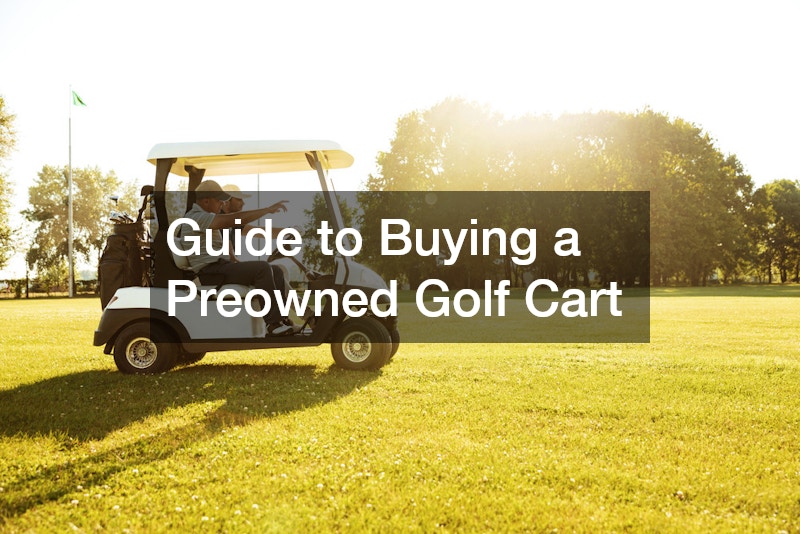
Purchasing a preowned golf cart can be a smart investment, whether for recreational golf, neighborhood transportation, or maintenance work. With proper research and preparation, buyers can secure a reliable cart that delivers excellent value while staying within budget. This guide highlights essential considerations—from evaluating features to avoiding common pitfalls—to help you make an informed decision.
Golf carts have expanded well beyond the fairway and are now popular in residential communities, resorts, and commercial settings. Their efficiency, affordability, and eco-friendly operation make them a practical alternative to traditional vehicles.
Buying a quality preowned golf cart allows you to enjoy these benefits at a lower cost, making careful evaluation especially important.
1. Key Features to Consider When Buying a Preowned Golf Cart
One of the most important aspects of a used golf cart is the battery system. For electric carts, the battery directly affects performance, range, and future expenses. Buyers should evaluate the battery’s age, type, and overall condition. Older or poorly maintained batteries may require replacement soon, significantly increasing ownership costs.
Most carts use either lead-acid or lithium-ion batteries. Lead-acid batteries are more affordable and common but require regular maintenance, while lithium-ion batteries offer longer life, faster charging, and improved efficiency. Asking about charging habits and testing battery performance during a test drive can reveal potential issues. Understanding replacement costs ahead of time helps prevent surprises.
Mechanical condition is another critical factor. A test drive allows you to listen for unusual noises and assess braking, steering, and acceleration. Inspect tires, suspension, drivetrain, and frame for excessive wear, rust, or damage. Ensure lights, signals, and accessories are functioning properly, as even minor defects can point to larger maintenance concerns.
Maintenance records, if available, provide insight into how well the cart has been cared for. Consistent servicing often translates to better long-term reliability. For additional assurance, consulting a technician or experienced dealer can help identify hidden problems and confirm the cart’s overall condition.
Brand reputation and model year also matter. Well-known manufacturers typically offer better durability, resale value, and parts availability. While older models may cost less upfront, they may lack newer features such as improved safety systems or efficiency upgrades. A well-maintained cart from a reputable brand can often outperform a newer off-brand model, making brand research worthwhile.
2. Determining the Right Price for a Preowned Golf Cart
Understanding current market prices is essential when evaluating a used golf cart. Research listings from dealerships, online marketplaces, and private sellers to determine average pricing based on brand, condition, and location. Regional demand and climate can influence prices, so comparing multiple sources provides a more accurate picture.
When reviewing listings, look closely at descriptions and photos to ensure fair comparisons. Accessories, custom upgrades, and overall condition can significantly affect pricing. Be sure to factor in additional costs such as delivery, taxes, or registration to calculate the true investment.
Comparing several listings helps establish a baseline value and identifies overpriced options. It also reveals which features are most common or most valued in the market. This knowledge strengthens your negotiating position and helps you recognize genuine deals.
Effective negotiation can further reduce costs. Sellers may be motivated by a quick sale or limited storage space, creating opportunities for price adjustments. Pointing out needed repairs or referencing comparable listings can support your offer. Remaining polite, informed, and firm often leads to mutually beneficial outcomes.
Timing can also influence pricing. Purchasing during the off-season or at the end of a sales cycle may yield better deals. Preparation and confidence are key to negotiating successfully and securing a fair price.
3. Common Pitfalls to Avoid When Buying a Used Golf Cart
Skipping a thorough inspection is one of the most common mistakes buyers make. A comprehensive inspection can uncover hidden issues that may not be apparent in photos or brief viewings. Test drive the cart under different conditions and examine electrical systems, structural components, and (if applicable) the gas engine.
Never rely solely on seller claims. A checklist ensures nothing is overlooked, and professional inspections can offer additional peace of mind. Investing time in inspection helps avoid costly repairs later.
Maintenance records are equally important. Documentation of regular servicing, battery replacements, and repairs indicates responsible ownership and improves confidence in the cart’s condition. Lack of records may suggest neglect and warrants closer scrutiny.
Finally, understand the seller’s return policy and any warranty coverage. Some sellers offer limited warranties or return windows, which can protect you if issues arise shortly after purchase. Clarify terms before finalizing the deal and ensure they align with your expectations. Transparent policies often reflect confidence in product quality.
Buying a preowned golf cart requires patience, research, and careful evaluation, but the rewards are substantial. By understanding key features, researching market prices, and avoiding common pitfalls, buyers can secure a reliable cart that fits both their needs and budget. A well-chosen preowned golf cart offers convenience, enjoyment, and long-term value while supporting a more efficient and sustainable lifestyle. With the right preparation, you can navigate the market of preowned golf carts confidently and enjoy the benefits of ownership for years to come.