Car problems are something every driver will face at some point, whether the vehicle is brand new or has been on the road for years. The key difference between a minor inconvenience and a major financial burden is how quickly and effectively you respond when issues begin to appear. Many serious breakdowns start with small, easily overlooked symptoms such as unusual noises, reduced performance, or warning lights on the dashboard.
Understanding how to identify and address these problems early can significantly extend the life of your vehicle and improve overall safety. Regular inspections, timely maintenance, and knowing when to seek professional help all play an important role in preventing unexpected failures. In this guide, we’ll explore some of the most common car issues drivers encounter and provide practical, actionable solutions to help keep your vehicle running smoothly and reliably.
1. Identifying Problems Before They Become Serious

Modern vehicles often give early warning signs before a major failure occurs. Learning to recognize these signals can save you from costly repairs and dangerous breakdowns.
Common indicators include:
- Dashboard warning lights that remain illuminated
- Strange sounds such as grinding, knocking, or squealing
- Unusual vibrations while driving
- Fluid leaks under the vehicle
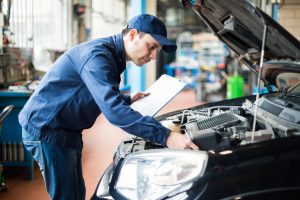
When these signs appear, seeking professional attention early can prevent the need for extensive auto repair. One of the most critical systems to monitor is the engine. Ignoring minor performance issues like rough idling, reduced acceleration, or increased fuel consumption can quickly escalate into major engine repair needs.
In many cases, drivers tend to delay action because the vehicle still “seems to run fine,” but this is one of the most common reasons small issues turn into expensive breakdowns. For example, a slight hesitation during acceleration may point to fuel delivery problems or ignition issues that worsen over time. Similarly, a faint burning smell or intermittent dashboard light may indicate electrical or fluid system malfunctions that should never be ignored.
Practical tips:
- Check your dashboard indicators weekly
- Pay attention to changes in engine sound or performance
- Schedule routine inspections even if no issues are visible
- Don’t ignore small leaks or unusual smells
- Keep a simple log of recurring symptoms to help technicians diagnose problems faster
Another helpful habit is performing a quick visual inspection of your driveway or parking space. Fresh stains or puddles can reveal leaks in oil, coolant, or transmission fluid long before they affect drivability. Even subtle changes in fuel efficiency should be taken seriously, as they often signal underlying mechanical inefficiencies.
Early detection is not just about convenience—it directly impacts safety and long-term vehicle health. Addressing problems at their earliest stage helps avoid cascading failures, reduces repair costs, and ensures your vehicle remains reliable in both daily commutes and long-distance travel.
2. Handling a Vehicle That Refuses to Start
Few situations are more frustrating than turning the key and getting no response. A no-start condition can stem from several causes, ranging from simple battery issues to more complex mechanical failures.
In some cases, basic troubleshooting may help:
- Check if the battery terminals are loose or corroded
- Ensure the car is in park or neutral
- Test headlights to determine battery strength
If these steps do not work, deeper mechanical issues may be involved. Problems with the fuel system, starter motor, or ignition system often require professional engine repair.
It’s also important to pay attention to what kind of “no-start” condition you are experiencing. A clicking sound often points to a weak battery or failing starter, while complete silence may indicate an electrical issue or blown fuse. If the engine cranks but does not start, the issue could be fuel-related, such as a clogged filter or failing fuel pump. These distinctions can help technicians diagnose the problem more efficiently and reduce downtime.
When the vehicle cannot be restarted on-site, safe transport becomes necessary. This is where towing services play an essential role, ensuring your vehicle reaches a repair facility without causing further damage. Attempting repeated starts or forcing the ignition can sometimes worsen internal wear or drain the battery completely, turning a minor issue into a larger repair.
Helpful advice:
- Keep jumper cables in your vehicle
- Have roadside assistance contact information saved
- Avoid repeated ignition attempts, which may worsen damage
- Make note of any sounds or dashboard lights before the vehicle shuts down
- If safe, check for obvious issues like loose battery connections before calling for help
Preventing no-start situations also comes down to maintenance habits. Regular battery testing, especially before extreme weather seasons, can significantly reduce the risk of unexpected failure. Cold temperatures, in particular, can weaken battery performance and make existing issues more noticeable.
Ultimately, staying calm and following a logical troubleshooting process can make a stressful breakdown more manageable and help ensure your vehicle is repaired correctly the first time.
3. Dealing with Tire Wear and Performance Issues
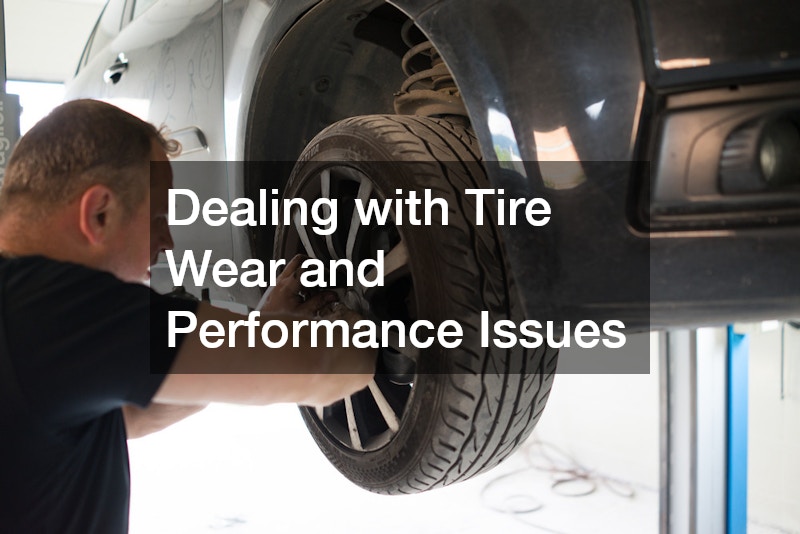
Tires are one of the most critical safety components of any vehicle. Poor tire condition affects braking, handling, and fuel efficiency, and in severe cases, can lead to sudden blowouts or loss of control while driving. Because tires are the only point of contact between your vehicle and the road, even small issues can have a significant impact on overall performance.
Signs of tire problems include:
- Uneven tread wear
- Constant loss of air pressure
- Vibration at higher speeds
- Cracks or bulges in the sidewall
In addition to these visible signs, drivers may also notice longer stopping distances or a “pulling” sensation to one side while driving. These symptoms often indicate alignment issues, improper inflation, or internal tire damage that may not be immediately visible.
Regular maintenance at a professional tire shop ensures proper balancing, rotation, and replacement when needed. Technicians can also identify alignment problems early, preventing uneven wear patterns that shorten tire lifespan. Neglecting tire issues can lead to unsafe driving conditions and increased strain on other vehicle components, often resulting in unnecessary auto repair costs. Worn tires can also reduce fuel efficiency, forcing the engine to work harder and increasing long-term operating expenses.
Best practices:
- Check tire pressure monthly, especially during temperature changes
- Rotate tires every 5,000–7,000 miles to ensure even wear
- Replace tires before tread becomes dangerously low
- Inspect for damage after long trips or rough roads
- Keep an eye on tire age, as rubber degrades over time even with minimal use
It’s also helpful to visually inspect tires weekly for embedded objects like nails or debris, which can slowly cause air leaks. Maintaining proper wheel alignment and suspension health further supports even tire wear and smoother driving performance.
Proper tire care not only improves safety but also enhances overall driving comfort. Well-maintained tires provide better traction in wet or slippery conditions, improve steering response, and contribute to a quieter, more stable ride.
4. Preventing Engine Overheating and Cooling Failures
Engine overheating is one of the most damaging problems a vehicle can experience. It can lead to severe internal damage if not addressed quickly, including warped cylinder heads, blown gaskets, or even complete engine failure. Once these components are damaged, repairs become significantly more expensive and time-consuming.
Common causes include:
- Low coolant levels
- Faulty thermostat
- Leaking radiator
- Broken water pump
However, overheating is not always caused by a single failure. In some cases, issues like clogged coolant passages, malfunctioning cooling fans, or degraded coolant quality can also contribute to rising engine temperatures. Even a small coolant leak, if ignored, can gradually reduce the system’s ability to regulate heat effectively.
If the engine temperature rises unexpectedly, it’s important to stop driving immediately. Pulling over and allowing the engine to cool can prevent irreversible damage. Continuing to operate an overheating engine can lead to expensive engine repair or even complete engine failure, especially if warning signs are ignored for too long.
General maintenance tips:
- Regularly check coolant levels and top off when needed
- Inspect hoses for leaks, cracks, or soft spots
- Flush the cooling system as recommended by the manufacturer
- Avoid ignoring temperature warning lights
- Ensure cooling fans are functioning properly when the engine is running
It’s also helpful to monitor temperature behavior during different driving conditions. For example, overheating while idling may indicate fan or airflow issues, while overheating at highway speeds could point to coolant circulation problems. Paying attention to these patterns can help technicians diagnose the root cause more accurately.
Routine auto repair maintenance helps ensure the cooling system functions properly and prevents long-term damage. Preventative inspections can identify worn belts, aging hoses, or failing components before they lead to breakdowns. Keeping the cooling system in good condition not only protects the engine but also improves overall vehicle reliability, especially during hot weather or heavy driving conditions.
5. Managing Air Conditioning System Problems
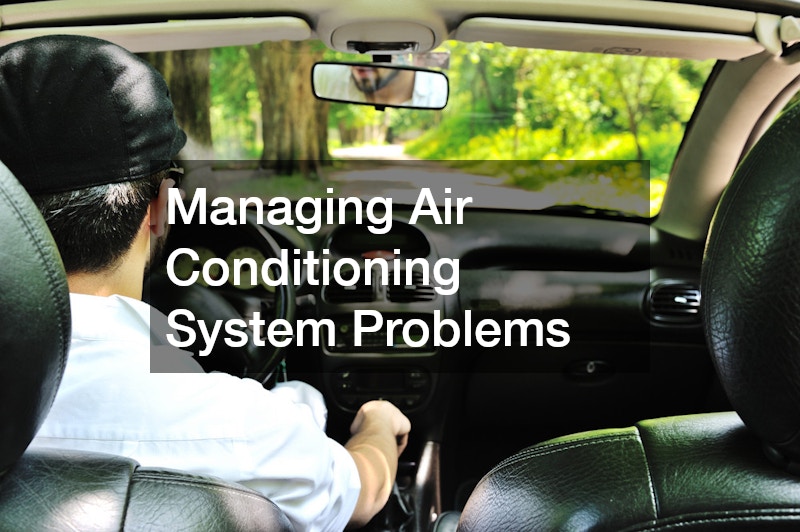
A properly functioning air conditioning system is essential for comfort and safety, especially during extreme weather conditions.
Common issues include:
- Weak or inconsistent airflow
- Warm air instead of cold
- Unpleasant odors from vents
- Strange noises when AC is running
When basic checks such as replacing cabin filters or ensuring proper settings don’t resolve the issue, professional auto air conditioning repair may be required. Refrigerant leaks or compressor failures are common problems that require specialized tools and expertise.
Maintenance tips:
- Run the AC periodically, even in cooler months
- Replace cabin air filters regularly
- Address weak airflow early
- Avoid overusing max settings constantly
Routine auto repair inspections can help identify AC issues before they become costly. Get your auto air conditioning repair today.
6. Addressing Damage After Minor Accidents
Even small accidents can lead to hidden damage that affects both safety and appearance. Dents, scratches, and misaligned panels may seem minor but can worsen over time.
In many cases, visiting an auto body shop is necessary to properly assess and repair visible damage. More serious incidents may require auto collision repairs to restore the vehicle’s structure and appearance.
What to do after a minor accident:
- Document all visible damage
- Check for alignment or handling changes
- Inspect lights, bumpers, and panels
- Avoid delaying repairs
Prompt attention ensures the damage does not spread or lead to more expensive issues later.
7. Understanding Structural Damage After Collisions
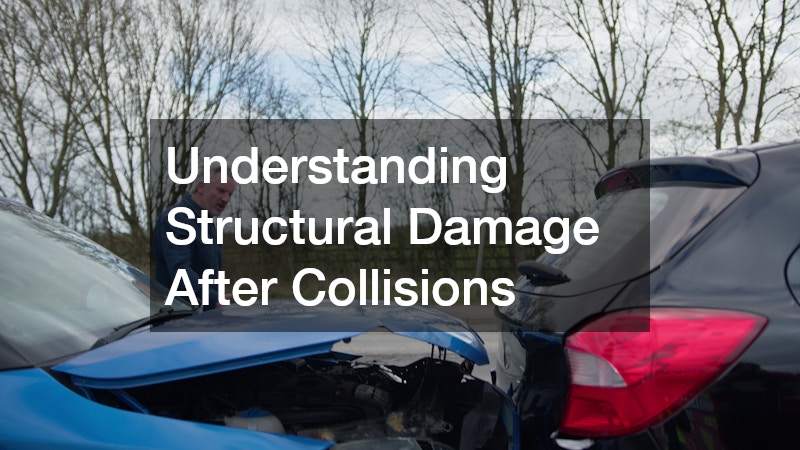
Not all accident damage is visible. Structural issues can affect the frame and safety systems of a vehicle.
Signs of deeper problems include:
- Uneven tire wear after an accident
- Steering pulling to one side
- Unusual noises when driving
- Gaps between body panels
Professional collision repair is essential to restore structural integrity. In many cases, auto collision repairs involve advanced diagnostics, frame straightening, and safety system recalibration.
Important considerations:
- Never ignore post-accident handling changes
- Always get a full inspection after significant impacts
- Ensure repairs meet safety standards
- Verify insurance coverage before repairs begin
Proper repair work ensures the vehicle remains safe and reliable.
8. Improving Visibility and Interior Comfort
Vehicle windows play a major role in both comfort and safety. Issues such as glare, heat buildup, or cracked glass can affect driving conditions.
A professional car tinting service can help reduce heat, improve privacy, and protect interior materials from UV damage. Additionally, maintaining window condition helps reduce strain on air conditioning systems and improves visibility.
Key benefits of proper window care:
- Reduced interior heat buildup
- Improved driving comfort
- Protection from UV rays
- Enhanced privacy and security
Regular auto repair inspections should also include window and seal checks to ensure long-term performance.
9. Maintaining Exhaust System Health and Safety
The exhaust system plays a crucial role in vehicle performance and environmental safety. Problems in this system can lead to reduced efficiency and harmful emissions.
Signs of exhaust issues include:
- Loud engine noise
- Reduced fuel efficiency
- Smell of fumes inside the vehicle
- Visible rust or damage under the car
Modern repair facilities use exhaust extraction systems to safely manage fumes during diagnostics and repairs. If issues are detected, timely auto repair is necessary to prevent further damage and ensure compliance with emissions standards.
Maintenance tips:
- Inspect exhaust components during routine service
- Address rust or leaks immediately
- Avoid driving with loud or unusual exhaust noise
- Ensure proper ventilation during repairs
10. Preparing for Unexpected Road Emergencies
Breakdowns can happen at any time, often without warning. Being prepared can reduce stress and prevent dangerous situations.
Essential steps include:
- Keeping emergency supplies in the vehicle
- Knowing basic roadside troubleshooting
- Staying calm and moving to a safe location
- Contacting professional help when needed
In many situations, towing services are required to transport the vehicle safely. Having access to a reliable tire shop is also important in case of sudden tire failure or blowouts.
Emergency preparedness tips:
- Keep a spare tire and jack in good condition
- Store emergency contact numbers in your phone
- Carry basic tools and safety equipment
- Avoid attempting unsafe roadside repairs
Car problems are unavoidable, but how you respond to them makes all the difference in maintaining safety, reliability, and long-term vehicle performance. By recognizing early warning signs, performing regular maintenance, and seeking professional help when necessary, drivers can significantly reduce the risk of major breakdowns.
A proactive approach ensures that small issues remain manageable rather than turning into costly repairs or dangerous situations. Consistent care, attention to detail, and timely inspections will keep your vehicle running efficiently and safely for years to come.