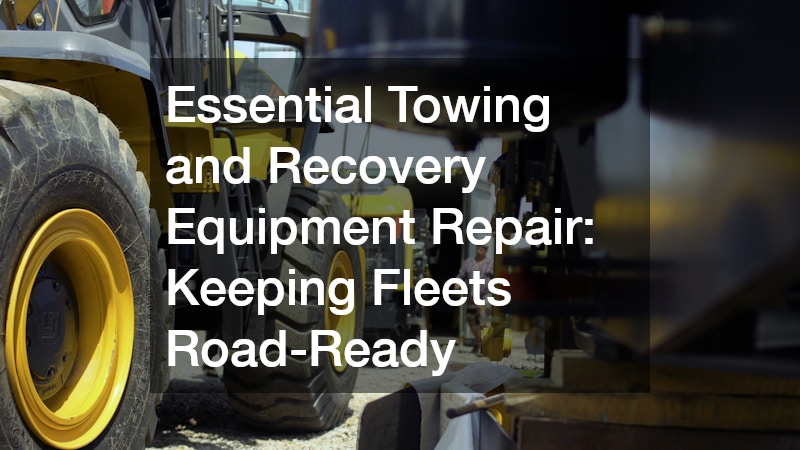
In the towing and recovery industry, equipment reliability is not just a matter of convenience—it’s a matter of safety, compliance, and profitability. Tow trucks and recovery units operate under demanding conditions every day, handling heavy loads, roadside hazards, and unpredictable environments. Without consistent maintenance and timely repairs, even the most robust equipment can fail, leading to costly downtime and potential safety risks. That’s why essential towing and recovery equipment repair plays a critical role in keeping fleets road-ready and businesses competitive.
The Importance of Equipment Reliability
Towing and recovery vehicles are complex machines made up of mechanical, hydraulic, electrical, and structural components. From winches and booms to hydraulic cylinders and control systems, each part must function flawlessly to ensure safe operation.
A single failure—such as a hydraulic leak or brake issue—can take a truck out of service immediately. For fleet operators, this means lost revenue, delayed response times, and dissatisfied customers.
Reliable equipment also protects drivers and the public. Malfunctioning recovery gear can cause dropped loads, vehicle instability, or accidents during roadside operations. Regular inspection and professional repair reduce these risks and help ensure that every call is handled safely and efficiently.
Common Towing and Recovery Equipment Repairs
Understanding the most common repair needs can help fleet owners plan preventive maintenance and avoid unexpected breakdowns.
Hydraulic system repairs are among the most frequent. Hoses, seals, and fittings wear over time due to pressure and exposure to the elements. Leaks or pressure loss can render booms, wheel lifts, or flatbeds inoperable.
Winch and cable repairs are another critical area. Winch motors, gears, and cables experience extreme stress during recoveries. Frayed cables or failing motors not only slow operations but also pose serious safety hazards.
Structural and frame repairs are essential for trucks that handle heavy-duty recoveries. Cracks, bent components, or weld failures can compromise the integrity of the vehicle. Professional welding and fabrication ensure the equipment remains strong and compliant with load requirements.
Electrical system issues—including lighting, controls, and sensors—are also common. Faulty wiring or malfunctioning controls can disrupt operations and create compliance issues, especially for vehicles operating at night or in high-traffic areas.
Preventive Maintenance: The Key to Staying Road-Ready
While repairs are inevitable, preventive maintenance significantly reduces their frequency and severity. A proactive maintenance program includes routine inspections, fluid checks, lubrication, and timely replacement of worn components. This approach helps identify small issues before they become major failures.
Fleet managers should establish maintenance schedules based on usage, not just time intervals. Trucks that perform frequent heavy recoveries will require more frequent inspections than lightly used units. Detailed maintenance records also help track recurring issues and plan future upgrades or replacements.
Compliance and Safety Considerations
Towing and recovery operations are subject to strict safety and regulatory standards. Equipment that is not properly maintained may fail inspections or violate Department of Transportation (DOT) requirements. This can result in fines, out-of-service orders, or increased liability in the event of an accident.
Professional repair services ensure that equipment meets all applicable safety standards. Certified technicians understand industry regulations and can perform repairs that restore equipment to compliant condition. This not only protects the business legally but also reinforces a culture of safety within the fleet.
Choosing the Right Repair Partner
Selecting a qualified repair provider is just as important as performing the repairs themselves. An experienced shop specializing in towing and recovery equipment understands the unique demands of the industry. They have the tools, expertise, and parts needed to handle everything from minor adjustments to major rebuilds.
For heavy equipment operators, working with a trusted provider for towing and recovery equipment repair ensures faster turnaround times and localized support. A regional repair partner can respond quickly, minimize downtime, and provide insights tailored to local operating conditions and regulations.
When evaluating repair services, look for:
-
Experience with light-, medium-, and heavy-duty towing equipment
-
Certified technicians and proper welding/fabrication capabilities
-
Access to quality replacement parts
-
Transparent communication and repair documentation
Every hour a truck is sidelined represents lost revenue and potential customer dissatisfaction. Efficient repair processes and preventive maintenance directly impact the bottom line. By investing in regular inspections and professional repairs, fleet owners can extend the lifespan of their equipment and reduce emergency repair costs. Well-maintained trucks also operate more efficiently, consume less fuel, and maintain higher resale value.
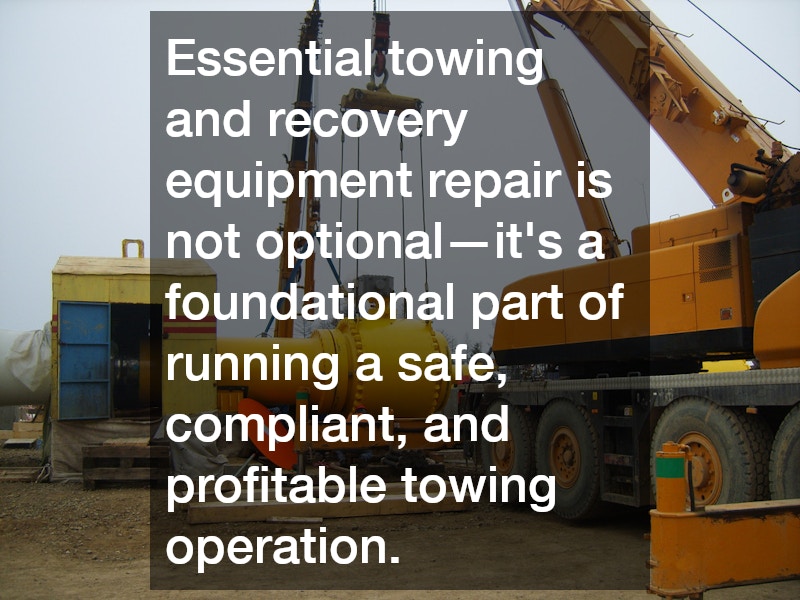
Essential towing and recovery equipment repair is not optional—it’s a foundational part of running a safe, compliant, and profitable towing operation. From hydraulic systems and winches to frames and electrical components, every part of a tow truck must be maintained to withstand daily demands. Preventive maintenance, combined with professional repair services, keeps fleets road-ready and drivers confident in their equipment.
For towing operators, especially those seeking reliable towing and recovery equipment repair, partnering with experienced professionals ensures faster repairs, improved safety, and long-term operational success. In an industry where readiness is everything, well-maintained equipment is the key to staying ahead.