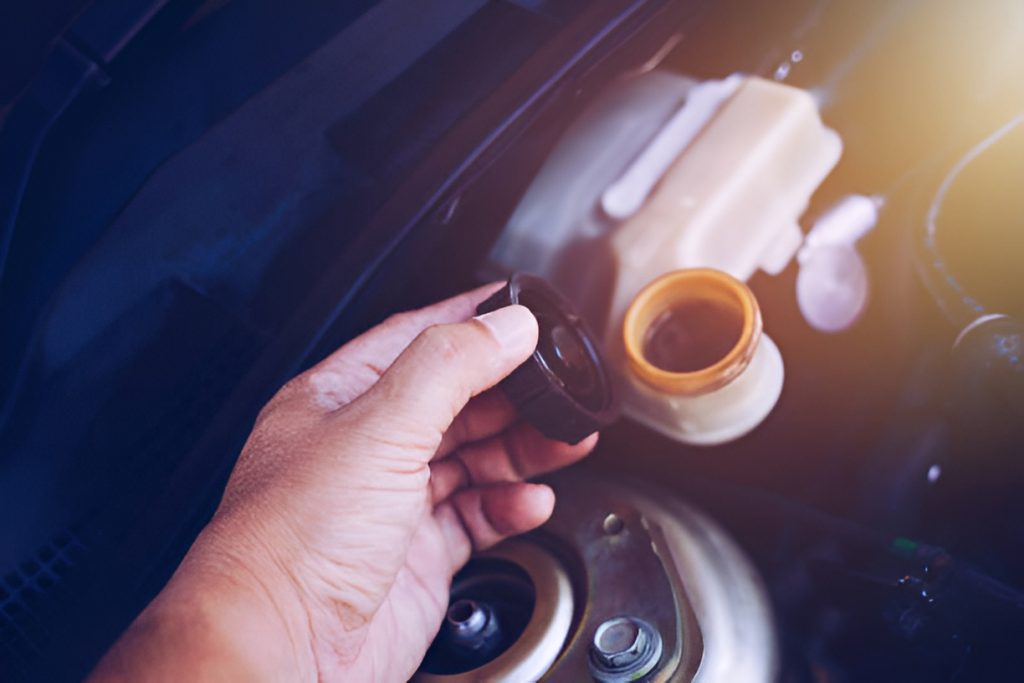
- Fresh brake fluid is usually light golden or amber, while dark or cloudy fluid often indicates contamination.
- Brake fluid naturally absorbs moisture, degrades with heat, and can become contaminated with dirt or rust over time.
- Regular checks of fluid level and color—monthly visual inspections and periodic replacement every 2–3 years—are essential for safety.
- Contaminated or old brake fluid can cause spongy pedals, reduced braking power, and increased risk of brake failure.
- Mixing incompatible brake fluids (e.g., DOT 5 with DOT 3/4) can damage the braking system and reduce effectiveness.
- Recognizing brake fluid issues early and maintaining proper fluid levels helps prolong brake life and protect both the vehicle and passengers.
As a car owner, knowing the basics about your vehicle’s brake system is essential—not just for safety, but also for avoiding costly repairs. One often-overlooked component is brake fluid. Many people wonder, “What color is brake fluid?” and more importantly, what it means when the color changes. In this article, we’ll break it down for you in a casual, easy-to-understand way.
What Exactly Is Brake Fluid?
Brake fluid is a type of hydraulic fluid used in your vehicle’s braking system. When you press the brake pedal, the fluid transmits force from the pedal to the brake calipers or drums, causing your car to slow down or stop.
There are different types of brake fluids—DOT 3, DOT 4, DOT 5, and DOT 5.1—each with slightly different chemical properties. Regardless of type, its primary function is to transfer force efficiently and protect the braking system from corrosion.
What Color Is Brake Fluid Normally?
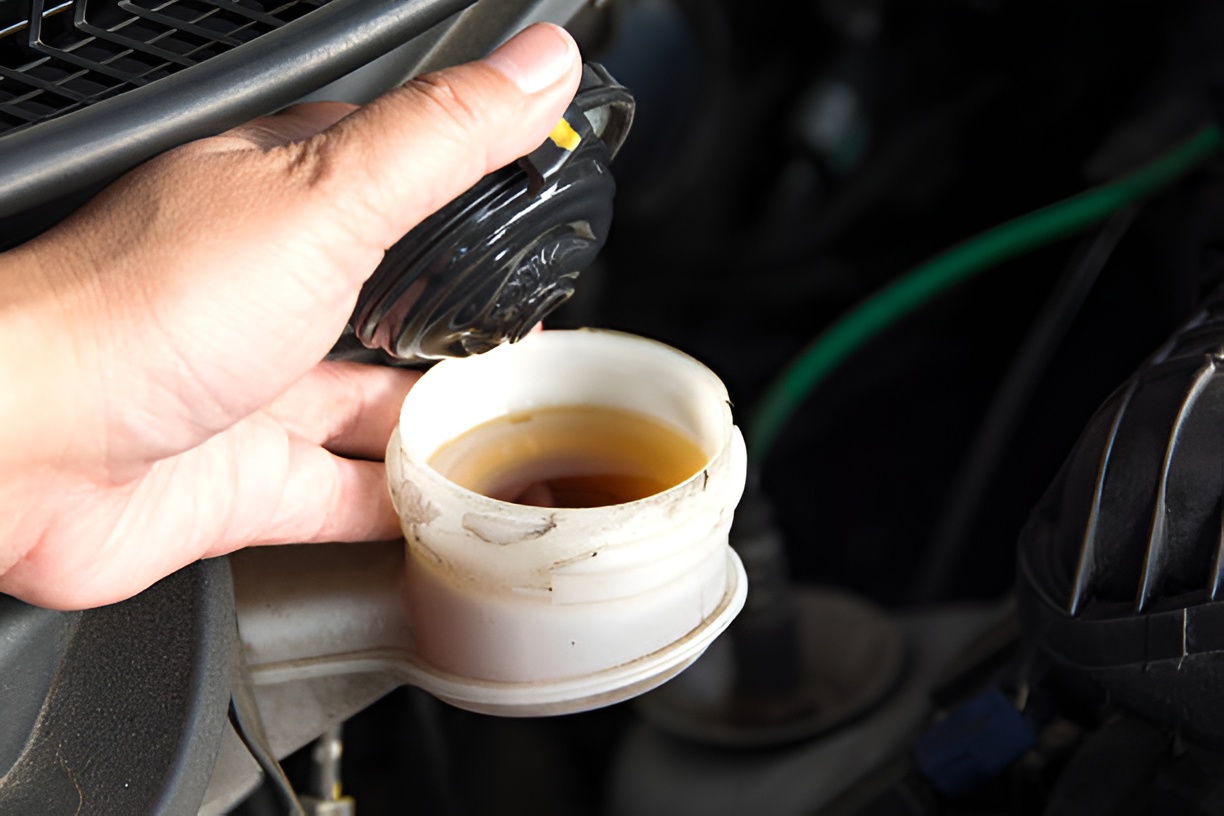
When fresh and in good condition, brake fluid usually has a light golden or amber color. Depending on the brand and type, it may appear almost clear. Here’s a quick guide:
- DOT 3: Light yellow to amber
- DOT 4: Pale yellow to light amber
- DOT 5: Purple (silicone-based)
- DOT 5.1: Clear to light amber
This natural color indicates the fluid is still clean and functioning properly.
Why Does Brake Fluid Change Color?
Over time, brake fluid can darken. The color shift is usually caused by:
- Absorption of moisture: Brake fluid is hygroscopic, meaning it naturally absorbs water from the air. Water contamination can make the fluid appear darker and reduce its boiling point.
- Heat exposure: High braking temperatures can degrade the fluid, turning it brown or even black.
- Contamination: Dirt, rust, or leftover debris from old brake components can discolor the fluid.
- Age: Like many automotive fluids, brake fluid doesn’t last forever. Most manufacturers recommend changing it every 2–3 years.
How to Tell If Your Brake Fluid Is Contaminated
Knowing what color is brake fluid when it’s contaminated is key to preventing brake failure. Watch for these signs:
- Dark brown or black fluid
- Cloudy or opaque appearance
- Visible particles floating in the fluid
If you notice any of these changes, it’s time to replace the fluid immediately.
Is Dark Brake Fluid Always Bad?
Not necessarily, but it’s a warning sign. Some older vehicles might have darker fluid simply because of age. However, dark fluid usually indicates that moisture or contamination has entered the system, which can lead to corrosion and reduced braking performance.
A quick test at a mechanic’s shop can determine the fluid’s moisture content and whether it needs replacement.
How Often Should You Check Brake Fluid?
Even if you don’t notice any problems, it’s smart to check your brake fluid periodically. Here’s a simple schedule:
- Every month: Look at the fluid reservoir under the hood.
- Every 6 months: Inspect the fluid for color and clarity.
- Every 2–3 years: Replace the fluid, even if it looks fine, to maintain optimal braking performance.
Steps to Check Your Brake Fluid at Home
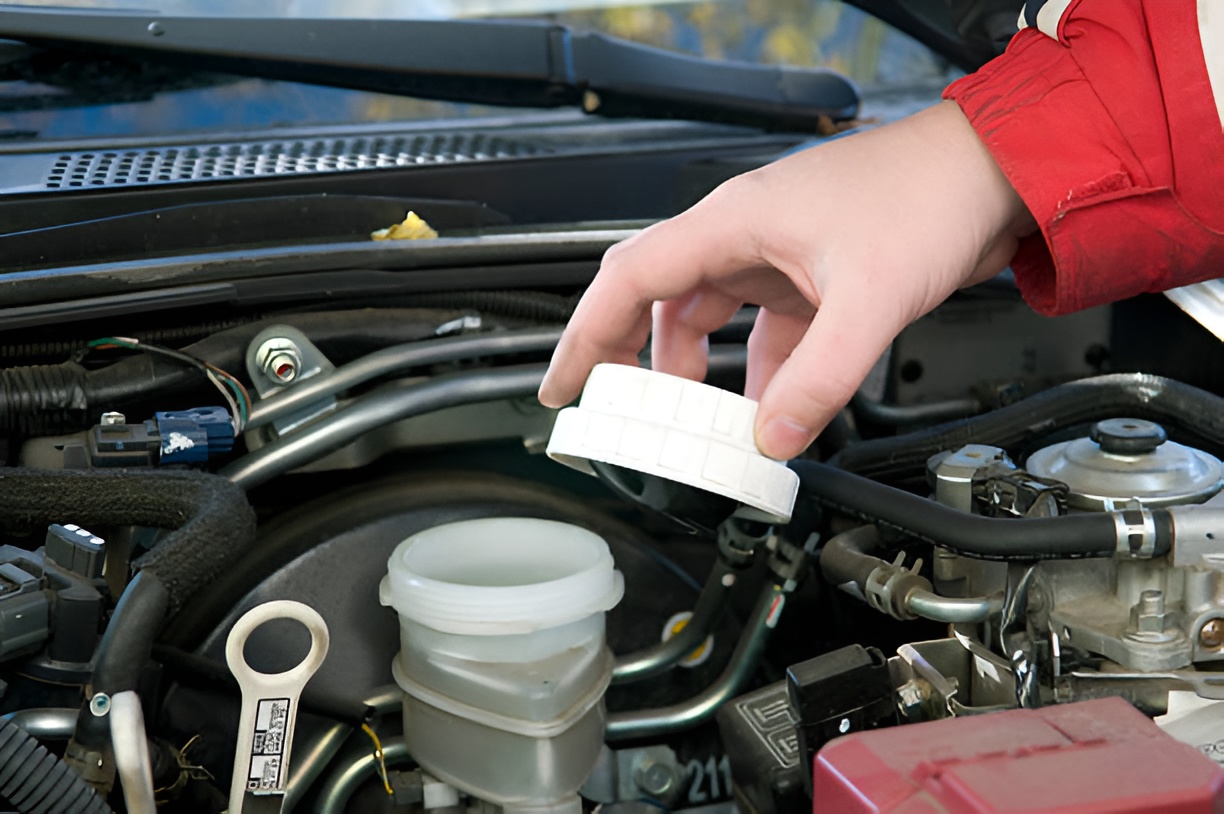
Checking your brake fluid is simpler than you might think. If you’re wondering how to check brake fluid properly, follow these steps:
- Locate the brake fluid reservoir: Usually on top of the master cylinder near the firewall.
- Clean the cap and surrounding area: Prevent dirt from contaminating the fluid.
- Check the fluid level: Most reservoirs have “MIN” and “MAX” marks.
- Inspect the color: Hold the fluid up to a light source to see if it’s light amber or darker.
- Top up if necessary: Only use the type specified in your owner’s manual.
Remember, never mix different types of brake fluid unless your manual explicitly allows it.
Can You Mix Brake Fluids?
Mixing brake fluids is generally not recommended, especially DOT 5 (silicone-based) with DOT 3 or DOT 4 (glycol-based). Doing so can damage your braking system and reduce effectiveness. Always check your owner’s manual before topping off or changing fluids.
Common Myths About Brake Fluid Color
Many drivers have misconceptions about brake fluid color:
- Myth: Clear brake fluid is always fresh.
Fact: Some older fluids can appear clear but still be contaminated. - Myth: Dark fluid means immediate brake failure.
Fact: Dark fluid is a warning, but your brakes may still function. It’s a sign to inspect and possibly replace the fluid. - Myth: You can just drain a little and refill.
Fact: Brake fluid replacement usually requires a complete flush to remove contaminants.
Why Proper Brake Fluid Matters for Safety
Brake fluid isn’t just another liquid in your car—it’s vital for stopping safely. Contaminated or old fluid can lead to:
- Spongy brake pedal
- Reduced braking power
- Brake system corrosion
- Increased risk of brake failure in emergencies
By keeping your brake fluid clean and at the proper level, you’re protecting both your car and your passengers.
Signs Your Brakes Need More Than Fluid
Sometimes, the issue isn’t just the fluid. Other brake problems can mimic the symptoms of contaminated fluid:
- Squealing or grinding noises – may indicate worn brake pads
- Brake pedal feels soft or goes to the floor – could be air in the lines
- Pulling to one side – may be uneven pad wear or a stuck caliper
Regular inspection by a professional is always a good idea, especially if you notice unusual pedal behavior.
Tips for Maintaining Healthy Brake Fluid
Keeping your brake fluid in top condition doesn’t have to be complicated:
- Store your vehicle in a garage to reduce moisture exposure
- Avoid leaving the brake fluid reservoir open for extended periods
- Use high-quality brake fluid recommended by your manufacturer
- Schedule routine brake fluid flushes according to your vehicle’s service intervals
Frequently Asked Questions About Brake Fluid
Q: Can brake fluid expire?
A: Yes, brake fluid can degrade over time, even if unused. Most manufacturers recommend changing it every 2–3 years.
Q: Can I check brake fluid color without opening the reservoir?
A: Some reservoirs are translucent, allowing you to see the fluid color without removing the cap.
Q: Is it normal for brake fluid to turn slightly yellow with age?
A: A slight color change is common, but if it’s brown, black, or cloudy, it’s time for a replacement.
Q: What happens if I ignore dark brake fluid?
A: Ignoring it can lead to corrosion, reduced braking efficiency, and potential brake failure in extreme cases.
Closing Thoughts
Being aware of what color is brake fluid and understanding the difference between normal and contaminated fluid is a small but crucial step in vehicle maintenance. Regular checks, proper fluid type, and timely replacement not only prolong the life of your brakes but also ensure your safety on the road.
Next time you open your hood, take a moment to look at that little reservoir—you might be surprised at what the color of your brake fluid can tell you.