Driving is a fundamental responsibility that extends beyond simply navigating from point A to point B. As an essential part of modern life, every driver should prioritize the safety, reliability, and efficiency of their vehicle. Being a responsible driver is not only about following road rules; it encompasses a broader spectrum of duties aimed at ensuring a smooth and secure driving experience. This article delves into ten key aspects all drivers should embrace to maintain their vehicles’ health and their own peace of mind on the road.
Stay Ahead of Routine Maintenance
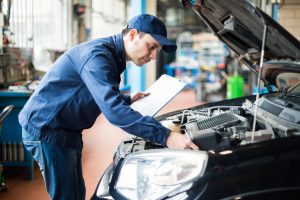
Every vehicle requires routine maintenance to function properly over its lifespan. Staying proactive in caring for your car prevents unforeseen breakdowns and adds longevity to your vehicle’s life. Routine check-ups include oil changes, checking tire pressure, and inspecting brake systems, which are all fundamental aspects of responsible vehicle ownership.
Regular maintenance checks can help you avoid costly auto repair in the future. Failure to address minor issues promptly often leads to more significant problems, resulting in unnecessary expenses and safety hazards. For instance, neglecting the oil change can cause engine damage, whereas ignoring tire rotation may lead to uneven tread wear.
One way to ensure routine maintenance is consistent is to maintain a schedule that includes every facet of upkeep your car requires. Repairs and replacements become less daunting when approached methodically. Utilizing reminders and setting service routines with your trusted mechanic can keep your vehicle running smoothly for years to come.
Don’t Ignore Glass Damage

Glass damage in vehicles can be more than just an aesthetic drawback; it poses serious safety risks. Any chip or crack can expand quickly due to temperature fluctuations or additional impacts. Ignoring even the tiniest damage to your vehicle’s glass can compromise its integrity.
Investing in windshield replacements becomes necessary when the damage obstructs your view or when multiple spots are affected. Quick attention to glass damage prevents it from escalating into serious issues, ensuring clear visibility and maintaining the vehicle’s structural strength.
Proactively inspecting your vehicle for glass damage and seeking professional assessment when required not only preserves your car’s aesthetic appeal but also reinforces safety standards. Understanding the role of an undamaged windshield, in case of an accident, is crucial for every driver aiming to maintain the maximum protection their car can offer.
Choose Reliable Repair Pros
Finding reliable auto repair shops is a crucial part of being a responsible driver. Trustworthy professionals ensure that your car is in the best hands, providing quality service for all maintenance and repair needs. Choosing a reputable service provider extends the life of your vehicle and helps you avoid subpar workmanship that can lead to further issues.
Research and recommendations play vital roles in selecting an auto repair shop. Customer reviews and ratings provide insights into service quality, while word-of-mouth recommendations can offer personal experiences. A repair shop known for its professionalism, expertise, and transparency is essential in managing your vehicle effectively.
Establishing a relationship with a reliable repair shop helps in building trust and confidence. Knowing your car is serviced by professionals gives peace of mind, ensuring comprehensive care with every visit. Choose auto repair shops wisely to safeguard your vehicle’s longevity and performance.
Plan for Long-Distance Moves

Long-distance moves pose logistics challenges that require thoughtful planning, especially regarding how you transport your vehicle. Responsible drivers need to consider several options to move their vehicles safely over long distances. Factors like cost, convenience, and time influence vehicle transportation decisions.
Vehicle transport companies provide various services to aid in the safe and efficient relocation of your vehicle. From open transport that is cost-effective, to enclosed transport for luxury or classic cars, choosing the right service is essential. Ensuring your chosen company is reputable and insured protects against potential damage or loss.
Planning and preparation play key roles in successful long-distance vehicle moves. Being proactive about scheduling, understanding pricing structures, and confirming legalities ensures a stress-free experience. Researching reputable vehicle transport companies can make all the difference, ensuring peace of mind during your relocation.
Protect Your Vehicle’s Finish
The aesthetic appeal of a vehicle is not solely superficial; it directly correlates with maintenance practices that prolong vehicle life. Protecting your vehicle’s finish is paramount in preserving its value and enhancing its longevity. Elements such as UV rays, contaminants, and harsh weather can severely impact your car’s exterior over time.
Professional services like a lexus autobody shop can restore your vehicle’s finish, ensuring it remains vibrant and protected against environmental threats. Regular washing and waxing help protect against minor scratches and fading, contributing to a shiny, well-maintained appearance.
Incorporating vehicle maintenance that protects against surface damage can maintain your car’s appeal and value over time. This commitment to care safeguards your investment, reducing costs associated with repainting or refurbishing. A responsible driver understands the importance of protective measures in keeping their vehicle’s exterior in pristine condition.
Keep Wheels Properly Set
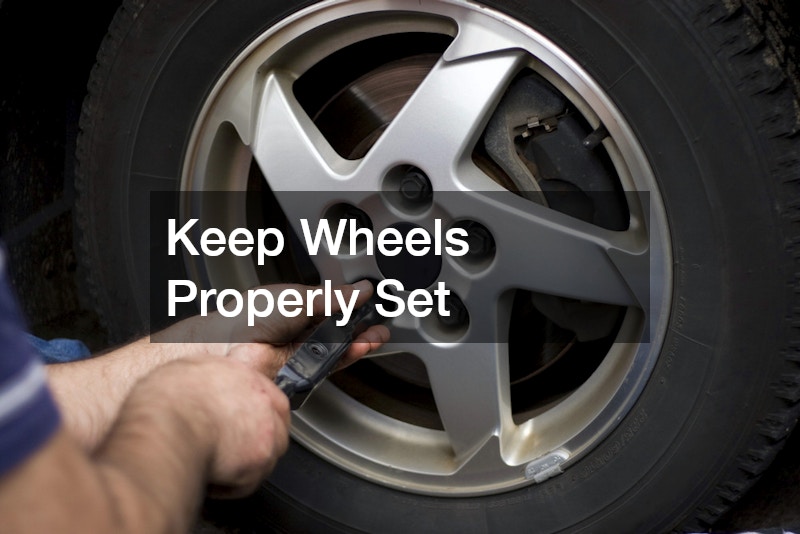
Aligning your vehicle’s wheels is crucial in maintaining its functionality and safety. Proper alignment ensures better handling, increased fuel efficiency, and prolonged tire life. Without this, your vehicle could veer off course, leading to potential accidents and uneven tire wear.
An allignment service can evaluate your wheels’ position and make necessary adjustments to align them according to specifications. Routine alignment checks help in avoiding irregular tire degradation and improve your ride’s smoothness. Ignoring proper setup can lead to problems that affect the overall driving experience.
Scheduling regular alignment services can avert unnecessary expenses and extend the life of your vehicle’s components. By promoting consistent tire wear and maximizing fuel economy, wheel alignment becomes an essential part of auto care that every responsible driver must prioritize.
Watch for Powertrain Warning Signs
The powertrain is a critical component in your vehicle, responsible for transmitting the engine’s power to the wheels. Recognizing warning signs associated with this system can prevent breakdowns and costly repairs. Noticing abnormalities, such as strange noises or difficulty shifting gears, indicates potential issues requiring immediate attention.
Transmission repair is one aspect of powertrain maintenance that cannot be overlooked. A malfunctioning transmission can severely impact your vehicle’s performance, potentially leading to complete system failure if left unaddressed. Regular inspections can identify minor issues before they escalate into major problems.
Being vigilant and responsive to your vehicle’s signals allows for timely intervention and repair, thus reinforcing safety and dependability. Prioritizing regular powertrain checks and being aware of warning signs prevent costly damages and maintain the integrity of your vehicle’s operation.
Understand Heavy-Duty Engines
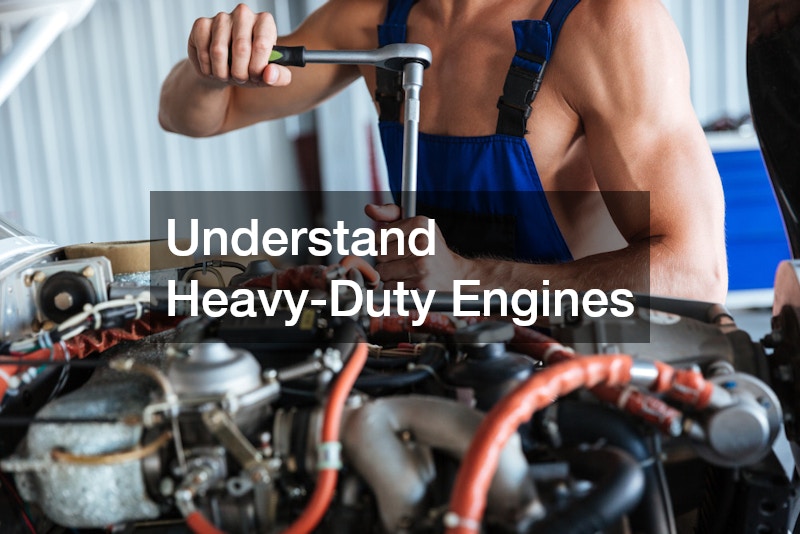
Heavy-duty engines, as found in larger vehicles and trucks, require specialized knowledge to maintain efficiently. Understanding the unique aspects of a diesel engine is integral for responsible management and operation of such vehicles. These engines provide torque and power but demand diligent maintenance to function optimally. Drivers who take the time to understand engine specifications, recommended service intervals, and fuel quality requirements can prevent many common problems before they arise. Proper knowledge supports both safety and cost-effective operation over the long term.
The intricacies of diesel engines differ from standard gasoline engines, requiring specific attention from either the vehicle owner or a certified professional. Routine checks focus on fuel systems, compression, and combustion, ensuring the engine operates efficiently and economically. Regular inspection of filters, oil levels, and cooling systems is equally important. By staying proactive with these tasks, drivers can maintain peak performance while avoiding sudden breakdowns. Understanding the engine’s behavior helps identify minor issues before they escalate into major repairs.
Being informed about your heavy-duty engine’s needs translates to prolonged lifespan and optimal performance. Regular upkeep and professional assistance guarantee your diesel engine remains in top condition, providing the reliability needed for large vehicles. Drivers should also keep records of maintenance, monitor unusual sounds or performance changes, and follow manufacturer guidelines closely. Knowledge and care prevent issues that could lead to expensive repairs and downtime. Investing time and attention in engine management ultimately enhances safety, efficiency, and confidence on the road.
Inspect Tires on Larger Vehicles
Regular tire inspections on larger vehicles, like trucks, are vital for safety and efficiency on the road. Precautionary measures ensure your tires maintain grip and balance, crucial for handling heavier loads. These inspections are fundamental in preventing blowouts and promoting even tire wear across all axles. Checking for signs of uneven wear, embedded debris, and proper tire inflation are essential steps that every responsible driver should follow. Consistent attention to tire condition minimizes the risk of accidents and unexpected delays.
Truck tire repair becomes paramount when signs of wear and tear are visible. Recognizing early damage or deterioration is essential to keeping your tires and vehicle intact over countless miles. Professional assessments are indispensable, offering guidance and service to address potential issues before they escalate. Understanding proper tire rotation schedules and replacement intervals further helps maintain optimal performance and safety. Taking action promptly prevents small problems from becoming costly, dangerous failures on the road.
By performing regular inspections and repairs, you enhance safety and extend your vehicle’s tire life. Prioritize tire care through timely monitoring and maintenance, ensuring optimal functionality on every journey. Drivers should also consider environmental factors, such as road conditions, load weight, and climate, which can impact tire longevity and performance. Ensuring tire health is integral to safe, efficient travel, especially for larger vehicles on the road. A proactive approach to tire care supports overall vehicle reliability and protects both drivers and cargo.
Prepare for Roadside Emergencies
Preparation for roadside emergencies is a critical aspect of being a responsible driver. Unforeseen incidents occur without warning, and having a plan can mitigate stress and danger. Carry essential emergency supplies, including a spare tire, jumper cables, reflective triangles, a flashlight, and a first-aid kit, to be ready for unexpected situations. Being prepared also means knowing basic troubleshooting steps, such as checking fluid levels or jump-starting a battery, which can save valuable time. A well-stocked emergency kit is a driver’s first line of defense.
A local towing company forms another layer of preparation, providing peace of mind when mechanical breakdowns occur far from home. Having contact information readily available ensures prompt assistance, helping to move your vehicle safely while mitigating risks associated with roadside hazards. It is also helpful to understand how towing services operate, including their response times, coverage areas, and any special requirements for larger or high-value vehicles. Knowing this information allows drivers to make informed decisions during stressful situations.
Adopting a proactive approach to emergencies enhances your capability to handle adverse situations efficiently. Knowledge of emergency protocols and services is invaluable, equipping you with the confidence to navigate and resolve roadside scenarios competently. Practicing drills or reviewing emergency procedures with family members ensures everyone is prepared in case of an actual incident. Prioritize safety and readiness, ensuring no scenario places you at a disadvantage on the road. Prepared drivers reduce risk, protect their passengers, and maintain peace of mind during unexpected events.
Responsible driving is built on knowledge, preparation, and consistent care. Understanding how vehicles function and recognizing the importance of proactive maintenance empowers drivers to prevent costly repairs and dangerous situations. Each aspect of vehicle ownership, from routine upkeep to emergency planning, contributes to safer roads and more reliable transportation.
Drivers who stay attentive to maintenance schedules, monitor performance changes, and address issues promptly extend the lifespan of their vehicles. Paying attention to visibility, alignment, and powertrain performance ensures consistent handling and safety. Exterior protection and tire care further enhance reliability while preserving long-term value. These habits reflect a commitment not just to the vehicle, but to the well-being of everyone sharing the road.
Preparation is another defining trait of responsible drivers. Planning for long-distance needs, understanding specialized engines, and knowing how to respond during emergencies reduce stress and uncertainty. When drivers take time to educate themselves and build trusted service relationships, they gain confidence in their decisions and outcomes.
Ultimately, responsible driving is about awareness and accountability. Vehicles are significant investments, and caring for them properly benefits both the driver and the broader community. By applying these ten principles, drivers can navigate daily challenges more effectively, reduce unexpected disruptions, and enjoy a safer, smoother driving experience. Knowledge, consistency, and preparedness form the foundation of responsible vehicle ownership and confident driving for years to come.